
Polycystic ovary syndrome (PCOS) is a hormonal disorder common among women of reproductive age. Being overweight is one of the risk factors of the condition, as it causes insulin resistance and abnormal level of hormone. Polycystic ovary syndrome is common in women of childbearing age, 25-35 years. If left untreated, PCOS can lead to infertility, endometrial hyperplasia, and cancer of the uterine lining (endometrial cancer).
What is polycystic ovary syndrome (PCOS)?
Polycystic ovary syndrome (PCOS) is a common health problem caused by an imbalance of reproductive hormones. The hormonal imbalance causes the ovaries to develop numerous small collections of fluid and fail to regularly release eggs. With PCOS, the egg may not develop as it should or it may not be released during ovulation as it should be. The exact cause of PCOS is unknown, but it often runs in families. It is related to abnormal hormone levels in the body and abnormality of multiple system in the body such as pituitary gland, ovaries, and adrenal gland.
Obesity and PCOS
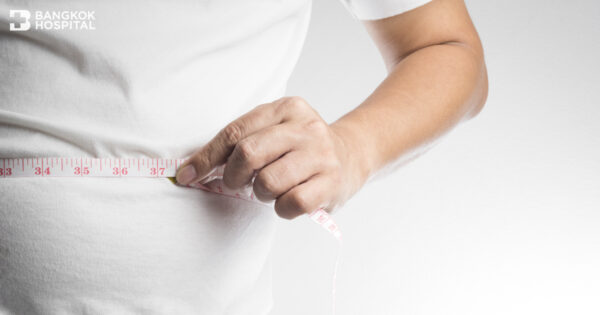
Obesity leads to abnormal estrogen hormone production especially in people with excess belly fat. Fat cells produce extra estrogen and this can affect your ovaries and their ability to ovulate. Women with PCOS may have infrequent or prolonged menstrual periods.


Symptoms
See your doctor if you have these symptoms.
- Prolonged menstrual cycles: fewer than 6-8 perioids a year or more than 35 days between periods
- Missed period: more than 3 cycles in women who have regular periods or more than 6 cycles in women who have irregular periods.
- Heavy period or spotting due to thick uterine lining
- Excess androgen: elevated levels of male hormone may result in physical signs, such as excess facial and body hair (hirsutism), severe acne, oily skin and male-pattern baldness.
- Overweight: leads to insulin resistance and abnormal ovulation.
Complications of PCOS
Complications of PCOS can include:
- Infertility: caused by abnormal ovulation, miscarriage in first trimester, gestational diabetes, preeclampsia, slow growth of the baby
- Increased risk of endometrial hyperplasia, endometrial cancer, and breast cancer
Diagnosis
- History taking: family history, menstrual cycle, contraceptive use, hormonal drug use
- Physical examination: blood pressure, height, weight, general appearance
- Body mass index (BMI)
- Pelvic examination

Treatment
- Losing weight: Weight loss can reduce insulin and androgen levels and may restore ovulation.
- Medication: To regulate menstrual cycle for women who are not trying to become pregnant. For women who wish to become pregnant, the doctor will prescribe the medication to help you ovulate.
- Preventing complications: insulin resistance treatment, reduce risk of diabetes, cardiovascular diseases, and endometrial hyperplasia
How to prevent PCOS?
- Maintain healthy weight
- Eat healthy diet – plenty of fruits and vegetables, reduce carbohydrate and fat intake
- Regular exercise
- Reduce stress
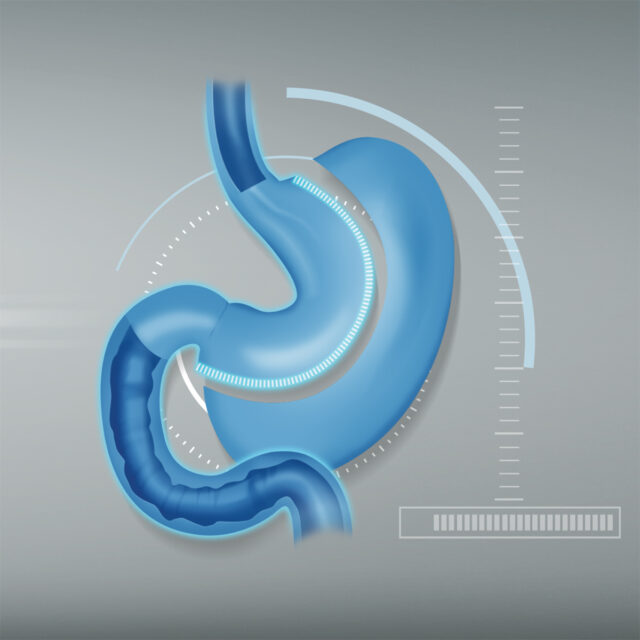
PCOS is the most common hormonal disorder in women of childbearing age and can lead to issues with fertility. Most women at some point have to struggle with weight gain. However, for women with polycystic ovary syndrome (PCOS), losing weight can become a constant struggle. For obese women, it is best to consult a doctor for a proper management such as medications and bariatric surgery.