

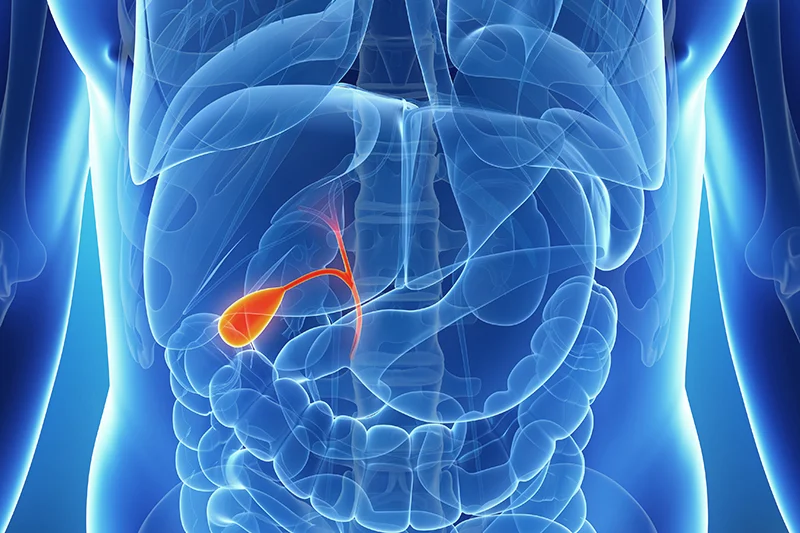
Gallstones are hardened deposits of digestive fluid mainly made of cholesterol which is formed in the gallbladder. Gallstones range in size from a grain of sand to a golf ball. It may cause no signs or symptoms. Mild to moderate symptoms that frequently disturb daily life start from abdominal discomfort to flatulence and pain after consuming a high-fat diet. If gallstones lodge in a bile duct and cause a blockage, it eventually results in bile duct inflammation and infection, pancreatitis or cholecystitis (an inflammation of the gallbladder). Aggravated symptoms include severe pain in the upper right abdomen, particularly after fatty meals or during an acute attack, back pain between shoulder blades, high fever, nausea, vomiting and jaundice. If cholecystitis remains untreated, it might lead to life-threatening sepsis. If the patient is an appropriate candidate for surgery, surgical removal of the gallbladder is mostly advised in all cases in order to reduce disease severity and recurrence of stones which is very common. Minimally invasive surgery “laparoscopic cholecystectomy” is currently considered as an effective surgery to remove the gallbladder. Due to smaller incisions, it results in less pain, fewer post-operative complications, faster recovery time and shorter hospital stay. Patients can return to daily life and activities even quicker.
Causes and Risk Factors
- Chemical Imbalance: Primarily caused by an imbalance in the bile, such as crystallized cholesterol or calcium salts forming hard deposits in the gallbladder.
- Gender: Being female is a common risk factor.
- Weight: Being overweight or obese increases the likelihood of developing gallstones.
- Diet: Consuming a high-fat diet contributes to stone formation.
Symptoms
- Asymptomatic Early On: In the early stages, patients may not experience any noticeable symptoms.
- Digestive Discomfort: Bloating, excess gas, and indigestion, especially after consuming high-fat meals.
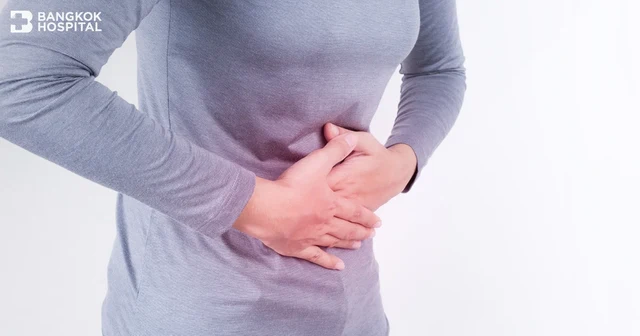
- Abdominal Pain: Severe, sudden pain in the upper right abdomen that often radiates to the back or between the shoulder blades.
- Severe Complications: If left untreated and a stone blocks a bile duct, it can lead to acute cholecystitis, characterized by high fever, nausea, vomiting, and jaundice. (Patients experiencing these should consult a doctor promptly).
Confidence in All Steps of Procedure
Laparoscopic surgery (laparoscopic cholecystectomy or LC) is a minimally invasive surgery to remove gallbladder which is performed by a highly experienced and well-trained surgical team. The procedure involves these steps:
- Several small incisions, typically 5–10 mm in length are made in the abdominal and umbilical areas instead of making an open large cut in the abdomen.
- The surgical instruments are inserted via these small incisions such as a laparoscope, a narrow tube with a camera. This allows surgeons to clearly visualize all dimensions of the gallbladder on a screen before having it removed accurately and safely.
- The gallbladder will then be removed safely from the liver.
- After the procedure is completely done, the surgical incisions will be properly closed and sealed.
Superior Benefits of Laparoscopic Cholecystectomy
- Operative areas in the abdomen can be clearly visualized through a surgical camera with high-resolution images.
- Small incisions with cosmetic benefits.
- Less pain.
- Fewer rates of post-operative infections.
- Short hospital stay
This means the overall gallbladder stone surgery recovery time is much faster, allowing patients to recover quickly and return to their normal daily routines and work much sooner than with traditional methods.
Recovery and Self-Care After Gallbladder Surgery
Following the gallbladder stone surgery, most patients stay in the hospital for only 1 to 2 days and can resume light activities within a week. Regarding self-care, patients do not need to worry about their digestive system, as the liver continues to produce bile that flows directly into the small intestine. However, during the initial recovery phase, patients should modify their dietary habits by limiting high-fat foods to prevent bloating or loose stools. The diet should emphasize vegetables, fruits, and easy-to-digest proteins like fish. Once the body fully adjusts, patients can comfortably return to their normal lifestyle and diet.
Successful Clinical Outcomes of Laparoscopic Cholecystectomy
- ☑ 100% Performed by highly skilled surgical and multidisciplinary team.
- ☑ 100% Patient’s ability to walk within 4-6 hours after operation * in healthy candidates for surgery.
- ☑ 93% Success rate of operation including in acute cholecystitis
- ☑ 0 % Major injury of bile duct.
- ☑ 0 % Post-operative infections *in patients without cholecystitis.
Reference: Statistical data obtained from Surgery Center, Bangkok Hospital 2018.
After gallbladder removal surgery, patients do not have to be concerned about their digestive functions since the gallbladder only holds bile acid and it is not essential to healthy digestion. However, to enhance the digestive health and avoid abdominal bloating, the consumption of high fat diets must be controlled with the proper amount of vegetables, fruits and easy-to-digest foods such as fish. More importantly, to achieve the best possible treatment outcomes, laparoscopic cholecystectomy should be performed by experienced and skilled surgeons which are well supported by my multidisciplinary approach.
Frequently Asked Questions
Is gallbladder surgery dangerous?
Gallbladder surgery is considered a highly safe procedure with low risks, particularly when utilizing the minimally invasive laparoscopic method. The chances of complications, such as infection or severe bleeding, are extremely rare when the procedure is performed by a specialized medical team.
How long does gallbladder surgery take?
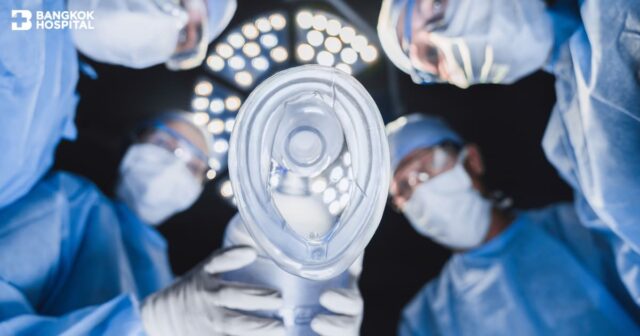
The surgical procedure generally takes about 1 to 2 hours under general anesthesia. After the operation is complete, most patients recover quickly and are ready to be discharged to rest at home within 1 to 2 days.
What are the long-term effects of gallbladder removal?
In the long term, the body continues to digest food normally without a gallbladder. While some patients might experience mild bloating or loose stools after consuming high-fat meals shortly after surgery, the digestive system gradually adapts, resulting in no adverse long-term effects on overall health.