





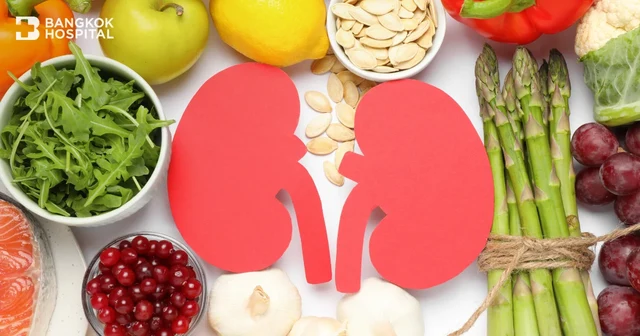

Kidney stones are a common condition found in patients of all genders and ages, especially those aged 30–60. Dietary choices play a very important role in kidney function. For those who are wondering what you must not eat if you have kidney stones, including stone types and foods to avoid, this can help reduce the buildup of mineral crystals and prevent recurrent stones.
What are kidney stones, and how do they form in the urinary tract?
Kidney stones are hard mineral crystal masses that precipitate and accumulate inside the kidneys or the urinary tract. They occur when urine contains an excessively high concentration of crystal-forming substances such as calcium, oxalate, or uric acid, together with inadequate water intake. When these substances bind together into a hard mass that grows in size, it may block the urinary tract, causing severe pain, bleeding, or subsequent complications such as urinary tract infection.
Check the type of kidney stone to plan your diet correctly
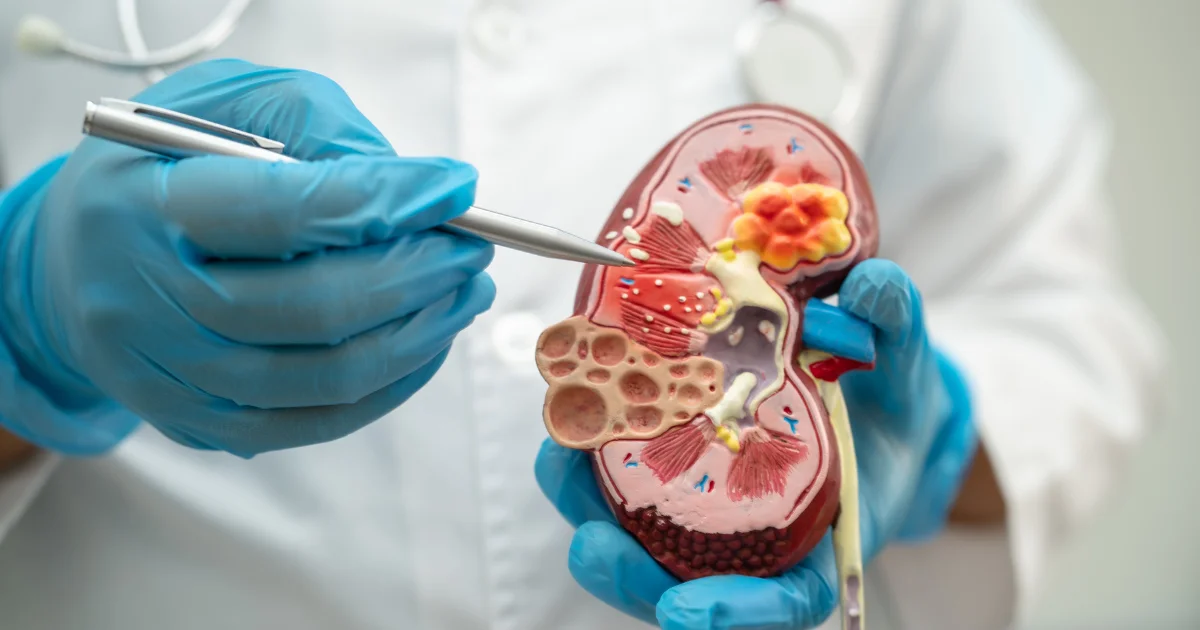
The type of kidney stone is closely related to the types of food you eat. An analysis to identify the type of stone crystals helps you plan dietary adjustments correctly.
1. Calcium oxalate stones: the most common type of stone crystal
Calcium oxalate stones (Calcium Oxalate) are the most common type of kidney stones. They occur when calcium binds with oxalate in the urine and crystallizes into a hard mass. Key triggers include eating foods high in oxalate, dehydration, or abnormally high urinary calcium levels. Controlling dietary oxalate intake is therefore important in preventing this type of stone.
2. Uric acid stones: caused by uric acid buildup from high-purine foods
Uric acid stones (Uric Acid) occur when urine is overly acidic, making uric acid crystallize easily. This condition is often associated with continuous consumption of foods high in purines, such as red meat, organ meats, and seafood, as well as low water intake, causing the kidneys to be unable to excrete all uric acid. This leads to accumulation and formation of stones.
Foods to avoid for patients with calcium oxalate stones
Patients with calcium oxalate stone crystals should clearly know what you must not eat if you have kidney stones in order to avoid foods high in oxalate that promote crystallization.
- Dark leafy greens and certain plants: Spinach, Chinese spinach, cha-plu leaves, bamboo shoots, and beetroot are plant groups that are very high in oxalate. When consumed, oxalate is absorbed and excreted in the urine, increasing the risk of binding with calcium and readily forming stones.
- Nuts, seeds, and nut-based products: Peanuts, almonds, cashews, and soy milk contain high levels of oxalate. Patients at risk of kidney stones should not eat excessive amounts of foods in the nut group, as this can rapidly increase oxalate levels in the body.
- Chocolate, cocoa, and strong tea: Cocoa powder, chocolate bars, and strong brewed tea are drinks and sweets with concentrated oxalate. Regular consumption without sufficient water intake increases the risk of accumulation of calcium oxalate stone crystals in the urinary tract.
High-purine foods that must be avoided: factors that contribute to uric acid stone buildup
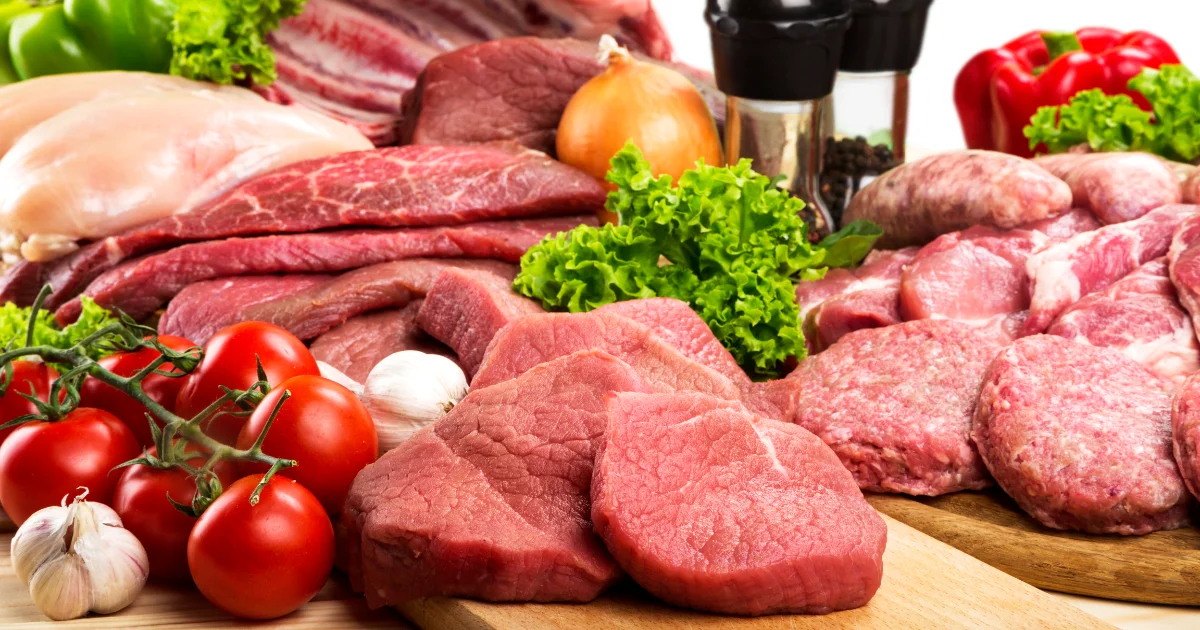
Reducing purines in the diet is an important way to decrease urine acidity, helping to effectively prevent uric acid stone formation.
- Organ meats and red meat: Liver, kidneys, heart, vegetable shoots, and red meats such as beef and lamb contain high purines. When the body breaks down purines, they are converted into uric acid. These meats should be reduced to prevent overly acidic urine.
- Certain seafood and bone broth: Shellfish, scallops, shrimp, sea bass, as well as concentrated broth simmered from animal bones, contain high amounts of purines. Chronic consumption increases the burden on the kidneys to excrete more uric acid, leading to accumulation and crystallization of uric acid stones in the kidneys.
- Alcoholic beverages and beer: Beer and all types of alcohol not only contain high purines, but alcohol also inhibits uric acid excretion by the kidneys and promotes dehydration. As a result, urine becomes concentrated and highly acidic, which is suitable for uric acid stone growth.
Nutritional dietary guidelines to prevent kidney stones
In addition to knowing what you must not eat if you have kidney stones, adjusting nutritional behavior appropriately helps balance minerals in the urine and prevents recurrence.
1. Increase daily clean water intake
Drinking enough clean water, about 2.5–3 liters per day, is an important factor in preventing kidney stones because water helps dilute the concentration of calcium, oxalate, and uric acid in urine, preventing these minerals from binding together into crystal masses. You should sip water throughout the day to keep urine volume at an appropriate level.
2. Choosing foods to balance minerals
Patients should limit sodium intake to no more than 2,000 milligrams per day, since high sodium increases calcium excretion in the urine. This should be combined with eating sour citrus fruits such as oranges, limes, or lemons, which contain natural citrate that helps inhibit calcium crystal adhesion and reduces the chance of kidney stones.
3. Appropriately eat high-calcium foods with every meal
Many people mistakenly believe that if you have kidney stones, you must not eat foods containing calcium. In fact, consuming natural dietary calcium as usual, such as fresh milk or yogurt, together with meals, helps calcium bind to oxalate in the intestines and be excreted in stool, reducing the amount of oxalate that reaches the kidneys and reducing stone formation.
4. Switch to plant protein instead of animal protein
Reducing animal meat intake and increasing plant protein such as soybeans, brown rice, or quinoa helps reduce uric acid production and decrease urine acidity. In addition, it helps reduce the risk of other urinary tract diseases such as kidney tumors and kidney cysts because it helps the kidneys avoid working too hard to eliminate waste.
Precautions when choosing vitamin C and supplements
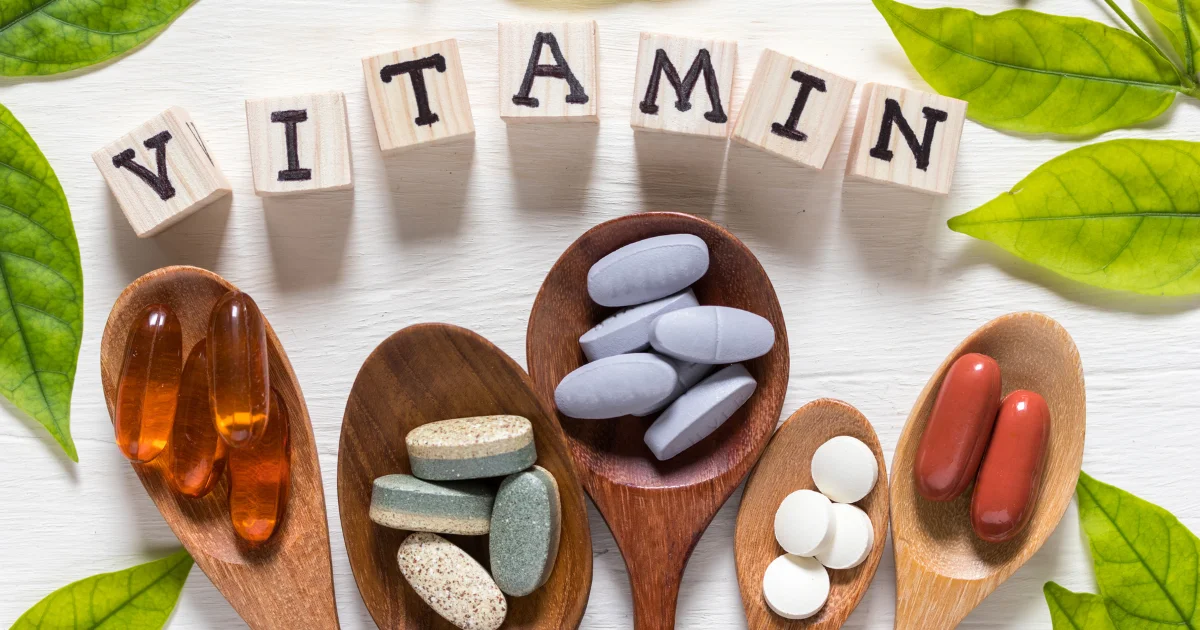
Taking vitamin C or mineral supplement products in excessively high amounts may negatively affect the urinary tract system and trigger stone formation.
- Avoid high-dose vitamin C over 1,000 milligrams per day: The body can break down excess vitamin C into oxalate. Continuous intake of synthetic vitamin C in amounts higher than needed is therefore an important precaution, because it unknowingly increases oxalate in the urine.
- Be cautious with tablet-form calcium supplements: Taking calcium supplement tablets without medical advice may cause sudden increases in calcium levels in the blood and urine, making it easier to precipitate with oxalate. Therefore, emphasis should be on obtaining calcium mainly from natural foods in regular meals.
Urology Center, Bangkok Hospital, ready to provide close health care
The Urology Center at Bangkok Hospital provides comprehensive screening, diagnosis, and treatment for urinary tract stones, together with modern treatment technologies such as robotic-assisted surgery and laser stone fragmentation to help reduce incision size and shorten recovery time, enabling patients to safely return to daily life, along with a team of nutritionists who closely provide individualized dietary adjustment guidance.
Article summary
Understanding what you must not eat if you have kidney stones is important for health care and sustainable prevention of recurrent stones. This includes limiting foods high in oxalate and purines, reducing sodium, and drinking enough clean water each day. If patients experience waist pain, back pain, or abnormal urination, they should promptly undergo diagnostic evaluation by a doctor to receive appropriate and safe treatment.
Frequently asked questions (FAQ) about kidney stone symptoms
1. How much water should kidney stone patients drink per day?
You should drink about 2.5–3 liters of clean water per day to help dilute mineral concentrations in the urine and prevent mineral sediment from clumping into stones.
2. If you have kidney stones, can you eat foods containing calcium?
Yes, you can eat normal amounts from natural foods such as milk or yogurt, because calcium helps bind with oxalate in the intestines, reducing the amount of oxalate absorbed and carried to the kidneys.
3. What abnormal symptoms indicate that a stone is starting to obstruct the urinary tract?
Severe cramping pain in the waist or back, difficulty urinating, painful/burning urination, blood in the urine, or fever together with nausea and vomiting.
4. What types of dietary supplements increase the risk of kidney stones?
High-dose synthetic vitamin C over 1,000 milligrams per day, and tablet-form calcium supplements taken without medical supervision.
5. Can kidney stones be cured without surgery?
Yes. If the stone is small, a doctor may recommend drinking plenty of water to help pass it, or using extracorporeal shock wave lithotripsy (ESWL) and endoscopic stone fragmentation with a small incision.