






Symptoms of painful, burning, or stinging urination are a warning sign that the urinary tract or reproductive organs may be abnormal. In most cases, they are caused by infection, inflammation, or an underlying condition. Knowing the exact cause and promptly undergoing medical evaluation is the most targeted way to manage the problem and help the urinary system return to normal function.
Understanding the symptoms of painful, burning, and stinging urination
Dysuria, or an abnormal sensation during urination, often presents as pain, heat, or a burning sensation when urinating around the urethra. Some people may also experience a dull, aching pain in the lower abdomen. These symptoms can occur in all sexes and all ages and often indicate an underlying abnormality that should be evaluated and managed by a doctor.
Burning urination in women: what conditions can it be a warning sign of?

Because women have a shorter urethra and it is located close to the vagina and anus, bacteria can enter the urinary tract more easily than in men. Therefore, burning urination in women is common across all age groups and is often a warning sign of the following conditions.
Cystitis (bladder inflammation)
This is one of the most common causes in working-age women, especially those who drink little water and frequently hold their urine for long periods. This allows bacteria accumulated in theurinary tract to grow and ascend, causing inflammation of the bladder wall. Patients do not only experience burning or stinging; they often also have a dull ache in the lower abdomen, frequent urges to urinate with only small amounts passed, and in some cases cloudy urine or an unusually foul odor.
Infectious vaginitis
An imbalance of beneficial bacteria in the vagina, or infection with yeast, bacteria, and Trichomonas (a sexually transmitted organism), can cause inflammation, irritation, and redness around the vaginal opening. When urine comes into contact with inflamed or wounded tissue, it can cause a severe burning sensation. This is often accompanied by abnormal vaginal discharge with changes in color or odor, and vaginal itching.
Irritation of the intimate area
The skin in a woman’s intimate area is very delicate. Chemical allergies or external irritation—such as using fragranced intimate cleansers, deodorant sprays, routinely wearing panty liners, or even tight and humid underwear—can inflame the lining and cause small abrasions, which can also lead to pain or burning during urination.
Burning urination in men: what conditions can it be a warning sign of?
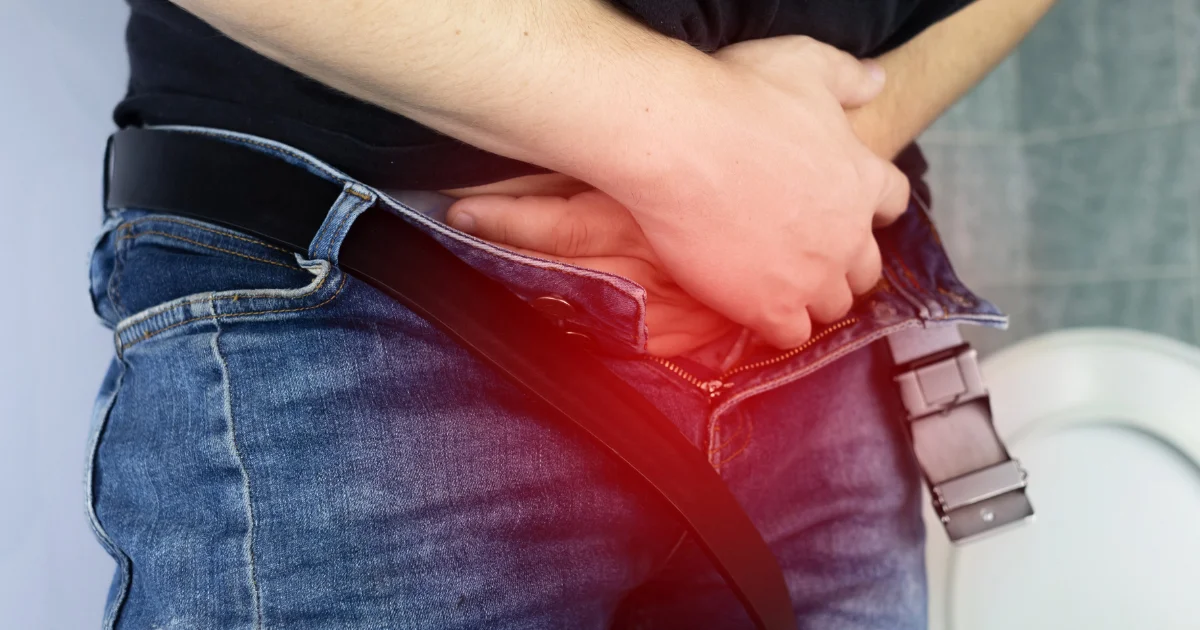
Although men have a longer urethra than women and a lower risk of urinary tract infection, abnormalities can still occur. Symptoms of burning urination in men are often directly linked to pathology of the prostate and urethra.
Benign prostatic hyperplasia (enlarged prostate)
As men get older (especially over age 50), the prostate gland surrounding the urethra may enlarge and compress the urethra. This makes it difficult for urine to flow out; the stream is weak, straining takes longer, and irritation or burning pain can occur during urination. It can also cause urinary retention in the bladder, increasing the risk of infection.
Prostatitis
This can be caused by bacterial infection or by non-infectious causes and can be quite distressing. Patients often experience a deep, aching pain in the perineum (between the testicles and anus) radiating to the lower back or groin, along with painful, burning, and stinging urination, frequent urination, and in some cases pain during ejaculation orduring heavy work
Urethritis
Most commonly caused by bacterial infection entering through the urethral opening and often associated with unprotected sex, leading to inflammation and swelling of the tissue inside the urethra and a deep burning sensation, especially at the start of urination. There may also be abnormal discharge, such as clear fluid or pus, from the tip of the penis.
Causes of painful, burning, and stinging urination in both women and men
In addition to causes specific to each sex’s anatomy, there are many urinary tract conditions and infections that can cause abnormal urination in both men and women.
Urinary tract stones
These result from mineral sediment in urine that clumps together into hard stones. Stones can obstruct or move around in the renal pelvis, ureter, or bladder. Friction between the stone and the urinary tract lining can cause inflammation and injury, leading to severe radiating pain in the lower back or lower abdomen, burning urination, and if the stone scrapes the tissue and causes a wound, urine may appear red or visibly bloody.
Pyelonephritis (kidney infection)
This is a severe upper urinary tract infection, often caused by bacteria ascending from the bladder to damage kidney tissue. Symptoms are usually quite apparent, such as high fever, chills, severe back pain in the flank area, nausea and vomiting, and burning/stinging during urination. This condition should be treated promptly with antibiotics to prevent bloodstream infection or kidney failure.
Sexually transmitted infections (STIs)
Several infections, such as gonorrhea, chlamydia, and genital herpes, can cause severe inflammation of the urethral lining and reproductive organs. These pathogens not only cause blisters/ulcers or discharge, but also lead to intense burning and pain with each urination.
Risk factors that increase the likelihood of burning and stinging urination
Certain daily lifestyle habits can increase the risk of abnormalities in the urinary tract. Key risk factors include:
- Regularly holding urine for long periods
- Drinking too little water, resulting in highly concentrated urine and irritation
- Improper intimate hygiene
- Unprotected sexual behavior
- Underlying conditions such as diabetes, which reduces immune function, and hormone deficiency related to menopause
Warning signs that warrant seeing a doctor promptly
Some abnormal symptoms should not be left untreated. If you notice these warning signs, you should see a doctor promptly for immediate diagnosis.
- Symptoms of painful urination persisting for more than 1–2 days
- Abnormally frequent urination or a constant urge to urinate
- Dribbling urine, with symptoms ofincomplete urination
- Cloudy urine, an unusually foul odor, or blood in the urine
- High fever, chills, severe pain in the flank area or lower abdomen
Diagnosis of burning/stinging urination
Identifying the exact cause of urinary tract symptoms requires evaluation by a specialist physician to assess severity and plan appropriate treatment. In-depth diagnostic approaches include:
- Medical history and physical examination: The doctor will ask detailed questions about the symptoms, such as when the pain started, the nature of burning/stinging, changes in urine color and odor, underlying diseases, as well as lifestyle habits and other risk exposures. A physical exam may also be performed, such as palpation of the abdomen or lower abdomen, or tapping the flank to identify tender points, which helps preliminarily assess inflammation of the kidneys and bladder.
- Urinalysis: A basic screening test with rapid results to detect abnormalities mixed in the urine, such as elevated white blood cells indicating infection/inflammation, red blood cells that may suggest injury or stones, and initial testing of pH and bacteria.
- Urine culture: If infection is suspected, the doctor will send a urine sample for culture to specifically identify the causative bacteria or fungi, along with antibiotic susceptibility testing (Drug Susceptibility), allowing the doctor to select the most appropriate antimicrobial and reduce the risk of antibiotic resistance.
- Imaging tests: If initial tests do not detect infection or symptoms are chronic, the doctor may consider additional imaging, such as ultrasound to evaluate the structure and size of the kidneys, bladder, and prostate, as well as CT scan, which provides high-resolution 3D images to clearly identify hidden pathology such as small stones, tumors, or urinary tract obstruction.
Treatment approaches by cause when burning/stinging urination is present
Treatment focuses on addressing the “root cause” to stop inflammation and prevent recurrence, as follows:
- Antibiotics: Used to treat bacterial infections of the urinary tract. The doctor will choose the antibiotic based on culture results. Importantly, patients must take the full course exactly as prescribed to prevent antibiotic resistance.
- Medications to relieve urinary tract pain: In cases of severe pain or burning/stinging, the doctor may prescribe a urinary tract analgesic to reduce pain and burning and make urination more comfortable while waiting for antibiotics to take effect against the infection.
- Behavioral modifications: Emphasizes drinking enough clean water to help flush bacteria from the urethra, avoiding holding urine, and maintaining intimate hygiene to reduce microbial buildup.
- Surgery or stone fragmentation: Considered when a large stone cannot pass on its own, or in cases of enlarged prostate obstructing the urinary tract. Today, endoscopic surgical technology can reduce pain and speed recovery.
Basic self-care to reduce symptoms of painful, burning, and stinging urination
Proper health care can help relieve symptoms and prevent recurrence as follows:
- Drink enough clean water—at least 8–10 glasses per day—to help flush bacteria from the urinary tract.
- Avoid holding urine; when you feel the urge, go to the bathroom immediately.
- Clean the intimate area properly by wiping from front to back.
- Wear breathable underwear and avoid dampness.
- Urinate and clean the body before and after sexual intercourse.
Diagnosis and treatment for urinary tract symptoms at Bangkok Hospital
The urinary tract is an important system that affects daily life. When abnormalities occur, appropriate care should be provided. The Urinary Tract Disease Center at Bangkok Hospital is ready to provide consultation and care, with a team of urology specialists working together with a multidisciplinary team to assess symptoms and design a treatment plan tailored to each individual patient’s condition. Modern medical technology is also used to support diagnosis and thoroughly identify the cause of disease, under a care process that prioritizes patient safety, helping the urinary tract return to normal function and restoring patients’ quality of life once again.
Article summary
Symptoms of painful, burning, and stinging urination are abnormalities that should not be ignored, as they may be warning signs of urinary tract conditions such as cystitis, stones, or prostate problems. Monitoring your symptoms and seeing a doctor for early diagnosis helps ensure proper treatment and prevents infection or inflammation from spreading, along with lifestyle adjustments to maintain long-term urinary tract health and normal function.
Frequently asked questions (FAQ) about burning/stinging urination
1. Painful, burning, and stinging urination: can I buy medicine and take it on my own?
It is not recommended to buy and take medication on your own, because treatment must match the causative organism. Using the wrong type of medication may lead to drug resistance or side effects. You should see a doctor for accurate diagnosis.
2. Can burning/stinging urination go away on its own?
Burning/stinging urination cannot return to normal on its own if it is caused by infection or stones. Leaving it untreated may allow symptoms to progress and become more severe. You should see a doctor to evaluate the cause and receive treatment.
3. How does frequently holding urine cause burning/stinging urination?
Holding urine keeps urine in the bladder longer, giving bacteria time to grow and multiply, leading to infectious inflammation and resulting burning/stinging symptoms.
4. Why are women more likely than men to have burning/stinging urination from infection?
Because women have a shorter urethra than men, and the urethral opening is located close to the vagina and anus, allowing bacteria from those areas to enter the urinary tract more easily.
5. How is burning/stinging urination related to sexually transmitted infections?
Several STIs, such as gonorrhea and chlamydia, cause infection and inflammation of the urethra, which directly leads to a burning sensation during urination.