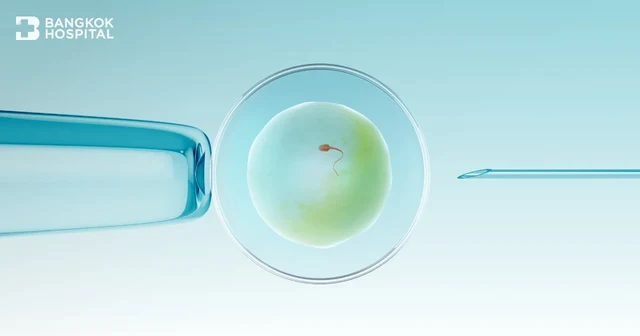




Many couples try to have a baby but it may not go as planned. One method that helps people who want to have a child fulfill their wish is IUI (Intra – Uterine Insemination), the injection of sperm into the uterine cavity. This is a commonly used initial treatment for infertility. It is similar to natural conception and delivers fairly satisfactory results.
What is IUI? Get to know IUI artificial insemination
IUI IUI (Intra – Uterine Insemination) or the injection of semen directly into the uterine cavity is the direct injection of sperm that have been screened and selected for strength into the uterine cavity. A small plastic tube is inserted through the cervix, and sperm are injected into the uterine cavity during ovulation or close to the time of ovulation. The sperm then swim to fertilize the egg in the fallopian tube on their own. For IUI, the male partner should have at least 1 million strong sperm after screening. If fewer than that, the chance of pregnancy will be much lower.
Advantages and limitations of IUI

Before deciding to undergo treatment, couples should understand the advantages and limitations of this technology to use as supporting information for decision-making.
Advantages of IUI artificial insemination
- A treatment method that is close to natural conception
- The process is not complicated, takes little time, and does not require anesthesia
- Less pain and a low risk of complications
- More affordable compared with advanced assisted reproductive technologies
Limitations of IUI artificial insemination
- Not suitable for women with blockage of both fallopian tubes
- Not suitable for men with a very low sperm count, poor motility, or severe abnormal morphology
- The success rate per treatment cycle is lower than in vitro fertilization (IVF / ICSI)
Preparation before IUI artificial insemination
Before entering the IUI insemination process, both the male and female partners must prepare their bodies as follows:
- Basic health care: Eat a healthy diet, exercise regularly, get enough rest, stop smoking, and avoid alcoholic beverages. The female partner may consider taking preconception vitamins such as folic acid in advance as advised by a doctor.
- Male partner: The doctor will schedule semen collection on the day of insemination into the uterine cavity. Preparation requires abstaining from sexual intercourse or ejaculation for at least 3–7 days.
- Female partner: The doctor will schedule the insemination to match the natural ovulation day or ovulation induced by medication under the doctor’s orders. The doctor will perform an ultrasound to monitor follicle growth. When the follicle is mature, the doctor will schedule the insemination.
If GLP-1 receptor agonist injections are being used (such as Ozempic or Monjaro), there must be a gap of at least 8 weeks before the sperm insemination procedure.
What is the IUI procedure like?
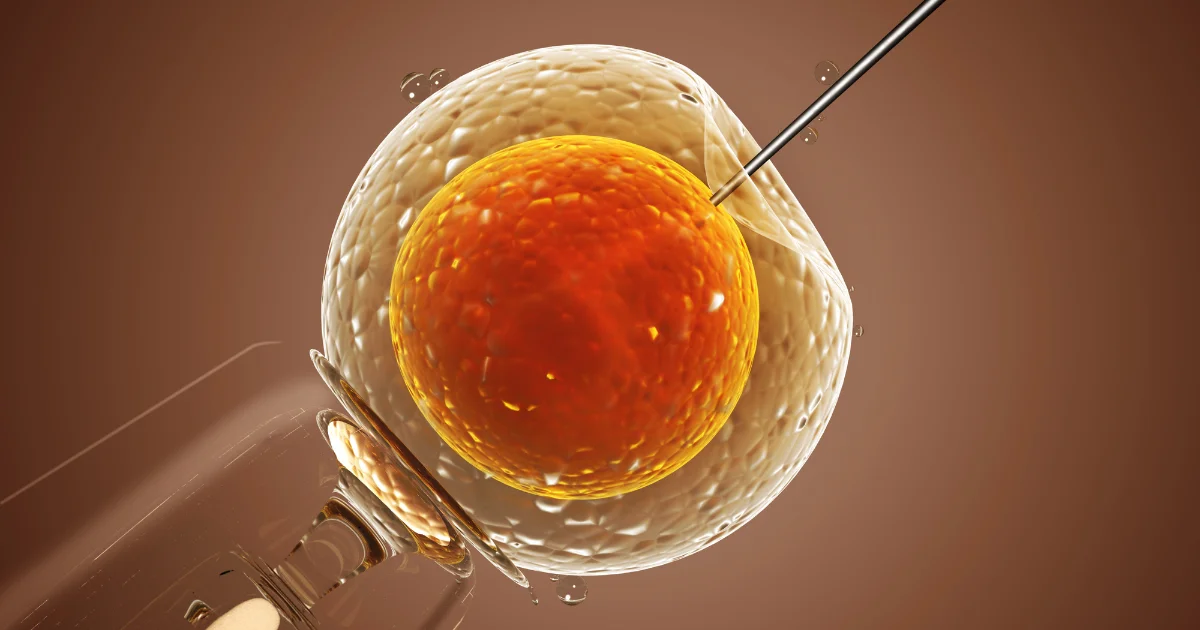
The IUI procedure does not take long and is not complicated, with the following steps:
- The male partner provides a semen sample.
- The semen is processed to select strong sperm (takes about 2 hours).
- The female partner lies on the gynecologic examination bed.
- The doctor uses a speculum to view the cervix, then connects a plastic catheter designed for insemination to a syringe.
- The processed sperm are drawn into the syringe (often about 0.3 mL). The tip of the plastic catheter is inserted through the cervix, and the sperm are slowly injected into the uterine cavity.
- All instruments are removed, and the female partner rests on the bed for about 20–30 minutes.
- A pregnancy test is performed about 2 weeks after insemination.
What to do after IUI and possible symptoms after IUI
After IUI, patients can take care of themselves and observe initial symptoms as follows:
- Continue daily life as usual.
- You may have sexual intercourse as usual.
- Symptoms after IUI that may occur include mild lower abdominal cramping similar to menstrual pain, or slight spotting from the vagina. Pain relievers can be taken. However, if symptoms do not improve, if there is severe pain, or if there is fever, it is recommended to see a doctor immediately.
- In some cases, hormonal medication prescribed by the doctor to take orally or as vaginal suppositories may help embryo implantation. Follow the doctor’s instructions strictly.
Factors that help IUI succeed
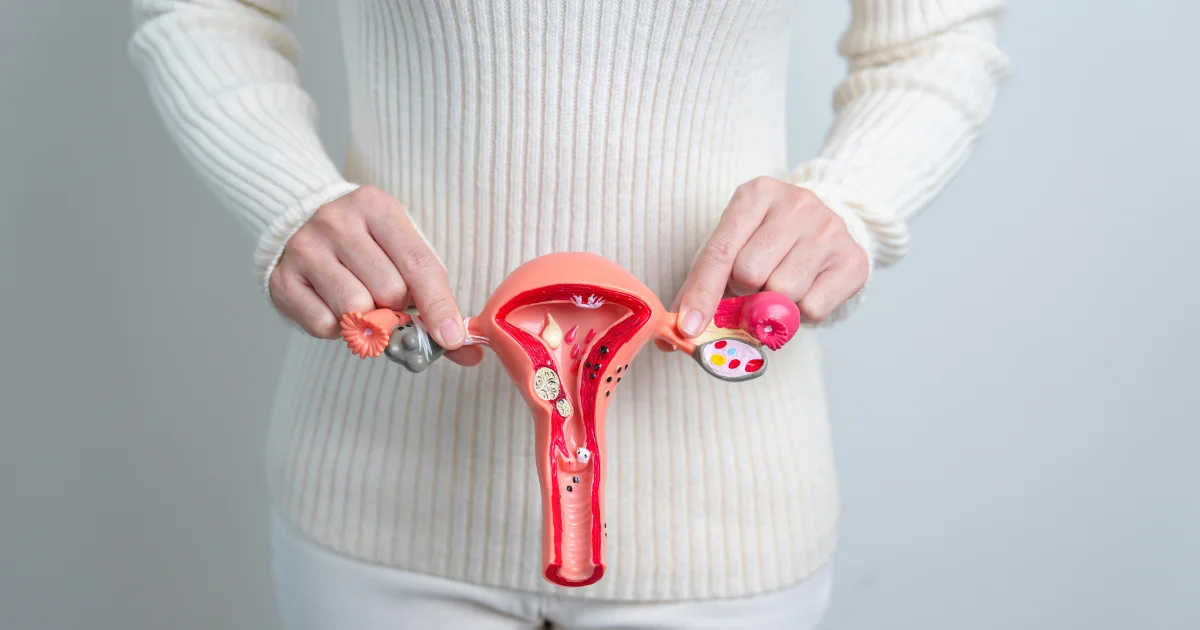
Intrauterine insemination is a highly popular initial infertility treatment because complications are low and costs are not high. However, IUI success is also influenced by several surrounding factors that affect the success rate, including:
- The female partner’s age (the younger, the higher the chance of success)
- Egg maturity and quality
- Sperm strength, quantity, and motility
- Endometrial thickness on the day of insemination
Therefore, consultation and treatment with a specialist doctor together with a multidisciplinary team at a hospital with standard equipment and laboratories is an important part of helping to increase the chance of pregnancy.
Differences between IUI artificial insemination vs IVF and ICSI
For those experiencing difficulty conceiving and considering infertility treatment options, this table helps compare the differences between IUI and in vitro fertilization (IVF / ICSI) for clearer understanding.
|
IUI (insemination into the uterine cavity) |
IVF / ICSI (in vitro fertilization) |
|
|
Fertilization process |
Occurs naturally within the body (in the fallopian tube area) |
Occurs outside the body (eggs and sperm are combined in a laboratory) |
|
Basic suitability |
Normal sperm or mildly weak sperm, normal fallopian tubes without blockage, initial infertility |
Severely weak sperm, blocked fallopian tubes, older female partner, or unsuccessful IUI |
|
Complexity / invasiveness |
Less complex; similar to a pelvic exam; no general anesthesia required |
More complex; includes transvaginal egg retrieval, which requires anesthesia |
|
Cost |
More accessible and more economical |
Higher, due to advanced technology and laboratories for embryo culture |
Bangkok Hospital Fertility Center provides IUI artificial insemination services
Bangkok Hospital Fertility Center is ready to provide consultation, diagnostic evaluation, and comprehensive infertility treatment services throughout every step, including IUI, by a team of specialist physicians in reproductive medicine, along with a standardized embryo culture laboratory with strict quality control, to closely care for every step of treatment and increase your chance of building a complete family.
Article summary
Direct intrauterine insemination (IUI) is a popular initial treatment for people who have difficulty conceiving because it has low complications and a reasonably good success rate, with relatively low cost. However, various factors also affect success, including the female partner’s age, egg maturity, sperm strength, and endometrial thickness on the insemination day. Therefore, receiving treatment from an experienced physician and a multidisciplinary team at an internationally standardized hospital can help increase the chance of having a child.
Frequently asked questions (FAQ) about IUI artificial insemination
1. Is IUI painful?
IUI is a process that does not require general anesthesia or local anesthetic injection. The sensation during the procedure is similar to a pelvic exam or cervical cancer screening. You may feel mild lower abdominal heaviness while the plastic tube is inserted, but generally patients do not experience severe pain.
2. How much sperm is needed to be suitable for IUI?
To give the IUI process a chance of success, after the male partner’s semen has been washed, spun, and screened in the laboratory, it should contain at least 1 million sperm with good motility. If the number of healthy sperm is below this threshold, the doctor may consider recommending a more appropriate alternative treatment such as in vitro fertilization (IVF) or ICSI.
3. Can IUI select the baby’s sex?
Many people wonder whether IUI can select sex. The answer is “it cannot” because the IUI process only screens for strong sperm and injects them into the uterus so that the sperm can naturally fertilize the egg on their own. Therefore, it cannot separate sperm chromosomes to determine the baby’s sex, which is also in line with Thailand’s medical laws and ethics.
4. If IUI is unsuccessful, what should be done next?
In general, doctors recommend trying IUI for up to 6 cycles. If pregnancy is still not achieved, the doctor will evaluate further for additional causes and may consider adjusting the treatment plan to use advanced assisted reproductive technology such as IVF or intracytoplasmic sperm injection (ICSI).
5. If I’m getting older but not yet ready to have a child, what should I do?
Because increasing age directly affects egg quality and quantity, which are key factors for successful pregnancy (including IUI), if you are not ready to have a child now, doctors often recommend the option of egg freezing (Egg Freezing) to preserve healthy eggs from a younger age for future use (however, frozen eggs, once thawed, must then enter the in vitro fertilization process, or IVF/ICSI, thereafter