





Many women have an anteverted uterus from birth and may never know about its position unless it is seen during a pelvic examination or ultrasound. Having an anteverted uterus usually does not cause symptoms or interfere with fertility, pregnancy, or childbirth. However, pelvic pain, painful sex, abnormal bleeding, or other symptoms should be assessed because they may be related to another gynecological condition.
What Is an Anteverted Uterus?
An anteverted uterus tilts forward toward the bladder and pubic bone. The uterus is supported within the pelvis by muscles and connective tissues, which allow some movement. Uterine position can vary from person to person. An anteverted uterus is different from a retroverted uterus, which tilts backward toward the spine. The terms describe anatomical position rather than a disease.
How Common Is an Anteverted Uterus?

An anteverted uterus is common. Published medical sources describe the forward-tilted position as the usual uterine orientation for many women. Some sources estimate that around 70% to 75% of women have an anteverted uterus, although reported figures can vary depending on the population and method of assessment.
As an anteverted uterus usually causes no symptoms, many women do not know their uterine position unless it is identified during a medical examination or imaging test.
Causes of Anteverted Uterus
An anteverted uterus can be associated with several factors:
- Natural anatomy: Many women are born with an anteverted uterus.
- Pregnancy: The uterus changes position and shape as pregnancy progresses. A uterus that was tilted backward may move forward as it grows.
- Pelvic changes: Conditions that affect tissues around the uterus can influence its position.
- Scar tissue: Previous pelvic surgery or conditions such as endometriosis can affect how the uterus sits within the pelvis.
- Individual anatomy: The shape and position of the uterus can differ between individuals.
In many cases, there is no underlying health problem associated with an anteverted uterus.
Symptoms of an Anteverted Uterus
Most women with an anteverted uterus have no symptoms. When symptoms are present, they should not automatically be attributed to uterine position.
Possible symptoms may include:
- Pelvic pressure or discomfort
- Pain during sexual intercourse
- Menstrual discomfort
- Lower abdominal discomfort
- Urinary pressure in cases where the forward tilt is pronounced
Persistent pelvic pain, heavy or irregular vaginal bleeding, unusual vaginal discharge, or pain during sex should be evaluated by a gynecologist. These symptoms can have several possible causes, including endometriosis, fibroids, ovarian conditions, pelvic infection, or other gynecological problems.
Anteverted vs. Retroverted Uterus

The main difference between an anteverted uterus and a retroverted uterus is the direction in which the uterus tilts.
- Anteverted uterus – Tilts forward toward the bladder and pubic bone
- Retroverted uterus – Tilts backward toward the spine
Both anteverted and retroverted uterine positions can occur as normal anatomical variations. Uterine position by itself does not determine a woman’s overall reproductive health.
Anteverted Uterus Diagnosis
A healthcare provider can identify an anteverted uterus through a gynecological assessment.
- Pelvic examination: A gynecologist may assess the size, shape, position, and mobility of the uterus during an internal pelvic examination.
- Pelvic ultrasound: Ultrasound can show the uterus and its position within the pelvis.
- Transvaginal ultrasound: A transvaginal scan can provide a closer view of the uterus and surrounding pelvic organs.
- Additional tests: Further testing may be recommended when symptoms suggest another gynecological condition.
An anteverted uterus does not require testing simply because of its position. Assessment is generally performed when it forms part of an examination for symptoms, pregnancy care, fertility evaluation, or another medical concern.
Does Having Anteverted Uterus Affect Fertility?
An anteverted uterus generally does not reduce fertility. The forward position of the uterus does not usually prevent sperm from reaching the fallopian tubes or interfere with implantation.
If a woman has difficulty becoming pregnant, other factors should be considered. These may include ovulation problems, age-related changes in fertility, conditions affecting the fallopian tubes, endometriosis, uterine fibroids, ovarian conditions, or male fertility factors.
For couples experiencing difficulty conceiving, a fertility assessment can help identify possible causes. Depending on the findings, treatment options may include ovulation management, IUI treatment, IVF, or other fertility care.
Does an Anteverted Uterus Require Treatment?
An anteverted uterus generally does not require treatment when it causes no symptoms. Treatment may be considered when symptoms are linked to another condition involving the uterus, ovaries, pelvic tissues, or surrounding organs. The approach depends on the underlying cause and may include:
- Medication for certain gynecological symptoms
- Treatment for endometriosis or other underlying conditions
- Management of menstrual problems
- Treatment for pelvic infection when diagnosed
- Surgical care in selected cases when a structural condition requires it
The uterine position itself is not usually something that needs to be changed.
Hospital Specializing in Women’s Health
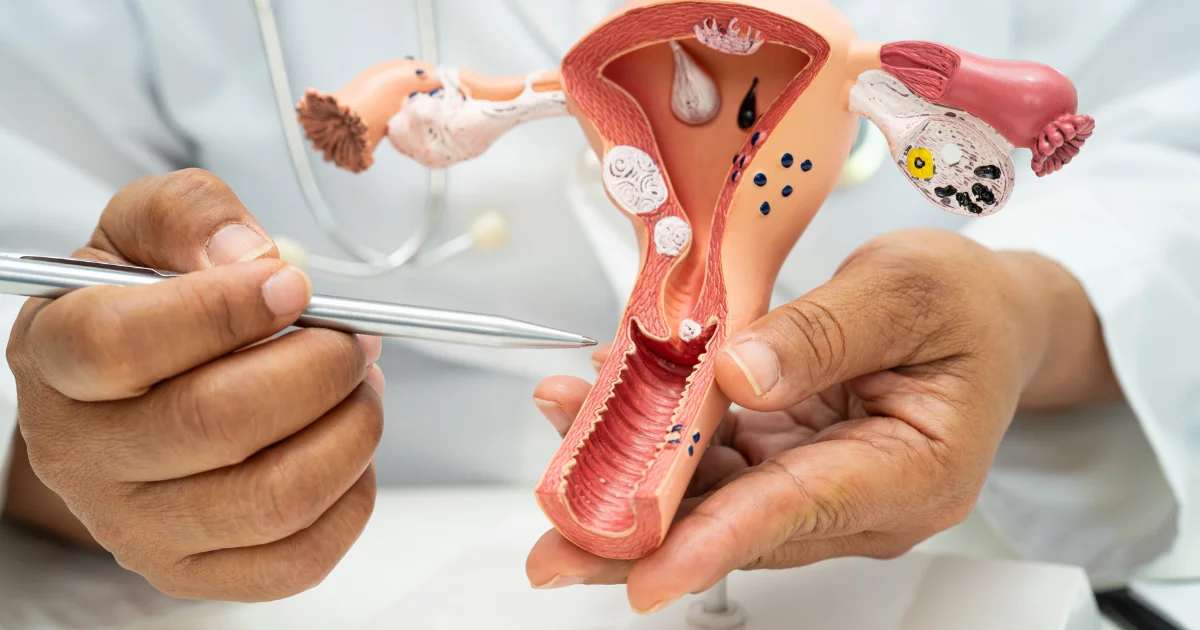
An anteverted uterus is generally an anatomical finding rather than a disease. Medical assessment should focus on the woman’s symptoms, reproductive goals, and any underlying condition that may require care.
Bangkok Hospital provides women’s health services through the Women’s Health Center and Fertility Center. The Women’s Health Center and Fertility Center provide care related to pregnancy planning, pregnancy, childbirth, gynecological conditions, menstrual concerns, and other women’s health needs.
Summary
An anteverted uterus is a uterus that tilts forward toward the bladder. It is a common uterine position and usually does not cause health problems or affect fertility, pregnancy, or childbirth. Most women do not have symptoms related to an anteverted uterus, and no treatment is needed when there are no concerns. If pelvic pain, painful intercourse, abnormal bleeding, or fertility difficulties occur, a gynecological assessment can help determine if another condition is responsible.
Frequently Asked Questions
1. Which position of the uterus is normal?
An anteverted uterus is a common normal position. A retroverted uterus can also occur as a normal anatomical variation.
2. How will I know what position my uterus is in?
A pelvic examination or pelvic ultrasound can show the position of your uterus. Many women learn about their uterine position during an examination for another reason.
3. Does anteverted uterus affect period pain?
An anteverted uterus usually does not cause period pain. If menstrual pain is severe, persistent, or affects daily activities, another cause should be assessed.
4. If I have pelvic pain and an anteverted uterus, should I be worried?
Pelvic pain should not automatically be linked to an anteverted uterus. Persistent or severe pain should be assessed by a gynecologist because conditions such as endometriosis, fibroids, ovarian problems, or pelvic infection can also cause pelvic pain.
5. Can an anteverted uterus change position over time?
Yes. The position of the uterus can change with pregnancy and changes within the pelvic tissues. In some cases, scar tissue from pelvic surgery or endometriosis can also influence uterine position.