



Facing difficulties when trying to conceive can be a challenging and emotional experience for many patients. While the journey to parenthood is unique for everyone, understanding the underlying factors of reproductive health is a crucial first step. This article from Bangkok Hospital provides essential insights into the various aspects of reproductive challenges, offering clarity for patients who wish to learn more about their bodies and the available medical pathways.
What Is Female Infertility?
Woman infertility is clinically defined as the inability for patients to achieve pregnancy after a full year of engaging in regular, unprotected sexual intercourse. For patients aged 35 and older, this evaluation timeframe is generally shortened to six months due to natural biological changes. Female fertility problems can arise from primary factors, where a patient has never been pregnant, or secondary factors, meaning difficulty conceiving after a previous successful pregnancy. It is a medical condition that affects many patients worldwide, often requiring careful medical evaluation to identify the specific barriers to conception.
Symptoms & Signs

The primary indicator is the inability to conceive, but other bodily signals may also point to underlying conditions. The typical signs of female infertility and female infertility symptoms include:
- Menstrual Cycle Irregularities: Periods that are unusually long (lasting 35 days or more), excessively short (less than 21 days), completely absent, or highly unpredictable can indicate that regular ovulation is not occurring.
- Abnormal Bleeding or Pelvic Pain: Experiencing severe discomfort in the pelvic region or unusual vaginal bleeding may be associated with conditions that affect reproductive health and uterine function.
- Hormonal Fluctuations: Patients might notice physical changes related to hormone imbalances. These changes can manifest as severe acne, unusual hair growth on the face or body, or unexplained weight fluctuations.
Causes

Understanding what causes infertility in women requires looking at the delicate, multi-step process of human reproduction. If any part of this process is disrupted, conception becomes difficult.
Common female infertility causes include:
- Ovulation Disorders: This is a frequent reason for conception difficulties. Conditions like Polycystic Ovary Syndrome (PCOS), hypothalamic dysfunction, or primary ovarian insufficiency can disrupt the regular release of eggs from the ovaries.
- Fallopian Tube Damage: Blocked or damaged fallopian tubes prevent sperm from reaching the egg or stop a fertilized egg from traveling safely to the uterus. This damage can result from previous surgeries, pelvic inflammatory disease, or past sexually transmitted infections.
- Endometriosis: This condition occurs when tissue similar to the lining of the uterus grows outside of it. The resulting extra tissue and scar tissue can block fallopian tubes or interfere with the successful implantation of a fertilized egg.
- Uterine or Cervical Issues: Structural abnormalities in the uterus, benign growths like fibroids or polyps, or cervical narrowing (stenosis) can prevent a fertilized egg from implanting securely or block sperm from entering the uterine cavity.
Diagnosis
A thorough female infertility diagnosis is a highly individualized process that begins with a comprehensive review of the patient’s medical history, menstrual cycle patterns, and general lifestyle. Medical professionals typically perform physical and pelvic examinations to assess overall reproductive health. To pinpoint specific issues, healthcare providers may utilize a range of diagnostic tests, including blood work to check hormone levels and ovarian reserve, or imaging techniques like transvaginal ultrasounds to view the reproductive organs. In certain situations, specialized procedures such as a hysterosalpingogram (an X-ray with contrast dye) or a hysteroscopy are employed to closely examine the fallopian tubes and uterine cavity for blockages or structural anomalies.
Treatment
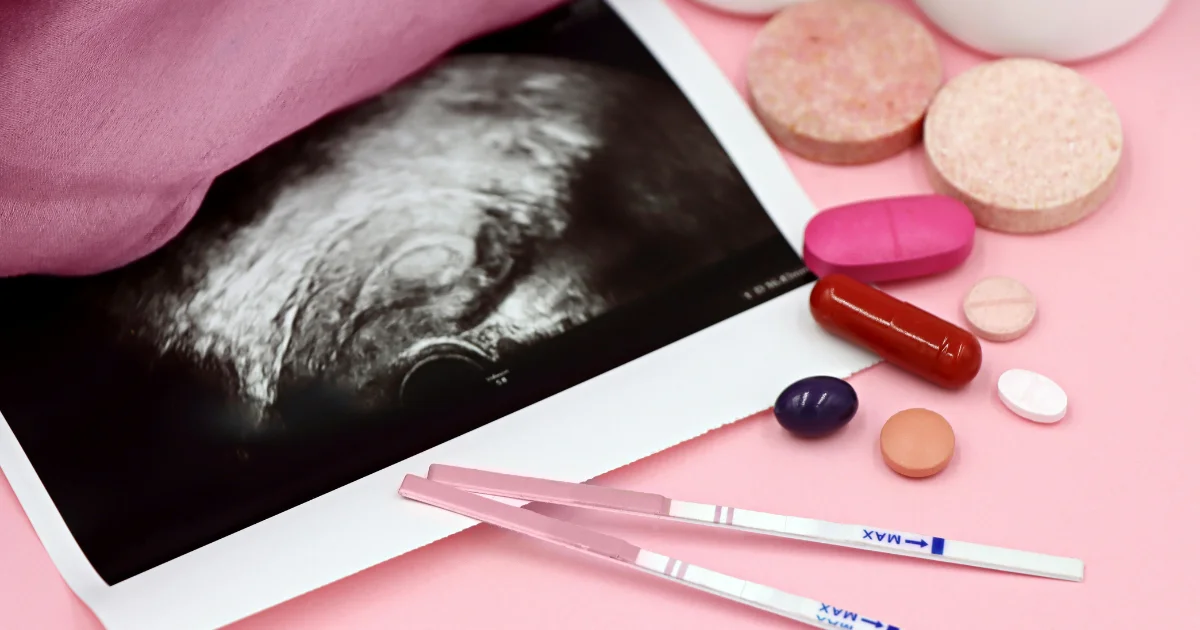
Once a proper diagnosis is established, medical professionals can recommend an appropriate female infertility treatment plan tailored to the patient’s specific condition. The approach depends heavily on the underlying cause and the patient’s medical background. Available interventions include:
- Medication: Healthcare providers may prescribe specific medications to regulate hormones, stimulate ovulation, or treat underlying infections that may be hindering conception.
- Surgical Procedures: If structural issues, scar tissue, or blockages are identified in the uterus or fallopian tubes, minimally invasive surgery might be recommended to correct these physical barriers and restore normal function.
- Assisted Reproductive Technology (ART): For more complex cases, advanced medical techniques such as In Vitro Fertilization (IVF) or Intrauterine Insemination (IUI) are utilized to facilitate fertilization and implantation in a carefully monitored clinical setting.
For patients seeking comprehensive support, the Fertility Center at Bangkok Hospital provides specialized obstetric and gynecological care, covering everything from family planning and pregnancy to childbirth and postnatal care, supported by a team of specialists and nurses available 24/7.
Bangkok Hospital offers comprehensive maternal and childcare services, from prenatal stages through childhood, featuring cozy and private delivery rooms and postnatal suites. Furthermore, the center provides advanced screening and treatment for gynecological conditions, including endometriosis, cervical cancer, and uterine fibroids, using state-of-the-art technology to deliver dedicated care.
Frequently Asked Questions
1. At what age does fertility typically begin to decline?
Fertility generally begins to naturally decline when patients reach their early to mid-30s, as the quantity and quality of eggs decrease over time.
2. Can lifestyle choices impact reproductive health?
Yes, lifestyle factors such as maintaining a healthy weight, avoiding smoking, managing stress, and limiting alcohol intake can positively influence reproductive function and overall health.
3. What does unexplained infertility mean?
Unexplained infertility is diagnosed when standard medical evaluations cannot find a definitive cause for the inability to conceive. This may result from a combination of minor, undetectable factors in one or both partners.