

Hernia is generally perceived as a male disease. In fact, hernia can strike women especially those with particular risk factors. If hernia is left untreated, it might eventually lead to other serious complications. Warning signs and symptoms of hernias should be aware. If there is the presence of abnormalities related to hernias, immediate medical attention must be sought as soon as possible in order to get an accurate diagnosis and receive timely and effective treatments.
Get to know hernias
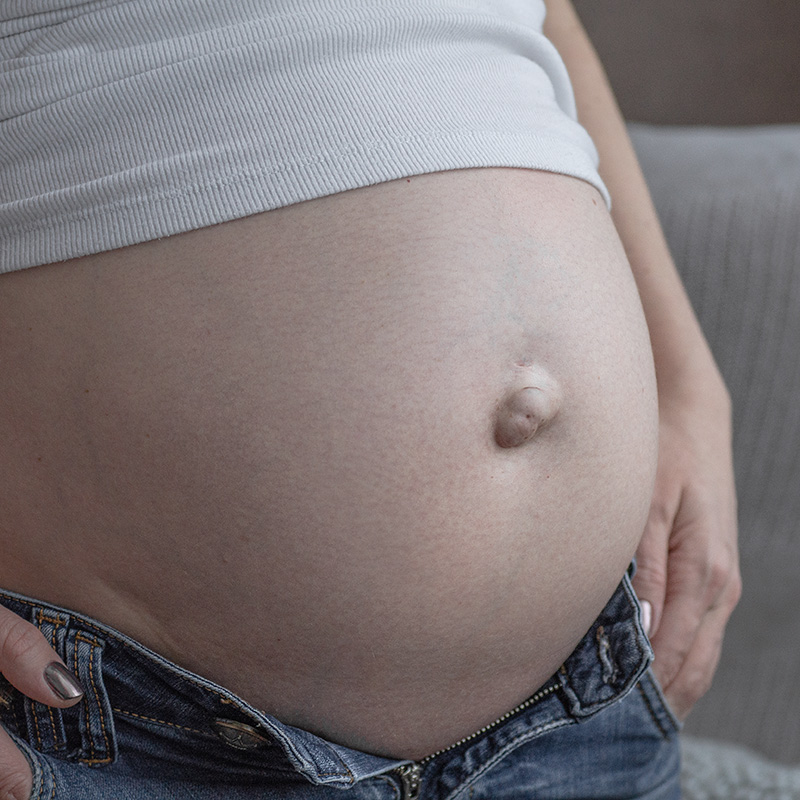
Hernias occur when an organ especially small intestine protrudes through a weakened spot or tear in the abdominal wall. The most common sign is the presence of a bulge or lump in the groin, femoral triangle, diaphragm, umbilicus, pelvic floor area or surgical incision which is not properly closed such as perineal incision after delivery.
Hernias are commonly caused by a combination of muscle weakness and increased abdominal pressure. Risk factors include lifting heavy weights, exercise or activities which need the strength from abdominal muscle contraction such as sit-ups, a strain during bowel movement from constipation, strain during urination from BPH (benign prostatic hyperplasia) and persistent cough from smoking.
Sites of hernias
Common sites of hernias include:
- Groin hernia
- Umbilical hernia
- Incisional hernia (at the surgical incision area)
Signs and symptoms
Presented signs and symptoms of hernias based on disease severity include:
1. Mild to moderate symptoms
- The presence of a bulge or lump in the afftected area.
- The protruding hernias might be pushed back in place.
- Bulge or lump can be presented with or without pain.
2. Severe symptoms
- If the protruding hernias are not pushed back, the contents of hernia might be trapped in the abdominal wall, then becoming strangulated which cuts off blood supply to surrounding tissue that is trapped, resulting obstructed intestine with abdominal infection.
- Severe abdominal pain casued by strangulated intestine.
- A strangulated hernia can eventually lead to fatal conditions such as necrotizing enterocolitis (severe inflammation of intestine) and sepsis.

Diagnosis of hernias
Hernias could be diagnosed by medical history taking and full physical examination. Protuding intestine presented as a bulge or lump will be further examined during coughing or standing. Additional imaging tests to clearly visualize hernias might be used such as ultrasound or CT scan (computerized tomography).
Treatment options
To treat hernias such as groin hernia, there are 2 main options selected by expert specialists:
1. Non-surgical treatment
Non-surgical approach involves pain killer medicines and lifestyle modification. It is usually recommended in patients who are not good candidates for surgery due to their particular underlying diseases or other health-related conditions.
2. Surgical treatment
To most patients, surgery is highly advised to treat hernia unless the presence of contraindication of surgery. There are two general types of hernia operations — open hernia repair and laparoscopic repair. During open hernia repair which is a conventional treatment option, an incision in the groin will be made as an open cut to allow surgeon to push the protruding tissue back into the abdomen. The opening incision is then closed with stitches, staples or surgical glue. This procedure is suitable for patients with large hernias and advanced symptoms. In comparison to minimally invasive surgery, open surgery requires an opening cut which its size is considerably bigger, resulting in remarkable pain, higher risks of post-operative infection and longer recovery time.
Another approach which is increasingly used is laparoscopic hernia repair. In this minimally invasive procedure, instead of having an open cut, the surgeon operates through several small incisions in the abdomen. A small tube equipped with a tiny camera (laparoscope) is inserted into one incision. Guided by the camera, the surgeon inserts surgical instruments through other incisions to repair the hernia. The surgeon then repairs the weakened area, often reinforcing it with a synthetic mesh. This surgical technique requires well-trained and highly skilled surgeons to operate hernias effectively and safely. Due to smaller incisions, laparoscopic repair causes less discomfort and pain after surgery, leading to fewer post-surgical complications such as lower rates of infection, faster recovery time and shorter hospital stay. Patients have a quicker return to daily tasks and normal activities. Laparoscopic surgery is highly recommended in groin hernias or in those whose hernias recur after open surgery.
Hernia Repair with Surgical MESH
Strengthening the abdominal wall and reduction of hernia recurrence rates.
From statistical data, hernias usually have a high rate of recurrence which might appear at or near the site of the original hernia. Recurrence mostly happens after surgical treatment due to persistent risk factors which consistently increase pressure in the abdominal wall such as smoking that causes chronic cough, strain during bowel movement from constipation, daily activities such as lifting heavy objects and untreated benign prostatic hyperplasia (BPH). The recurrence of hernias in the elderly is also commonly found due to the weakened muscles of the abdominal wall.
To enhance the strength of muscles in the abdominal wall, during hernia surgery, “surgical mesh” will be implanted to provide additional support to weakened areas. The majority of surgical mesh devices currently available for use are constructed from safe synthetic materials. Not only to reduce the tenderness and pain after surgery, but mesh repair also significantly helps minimizing the chance of hernia recurrence.

Age Over 40! Watch out HERNIAS
Although the overall incidence of hernias is higher in men than women, hernias equally strike anyone especially at age over 40. Inguinal hernia or groin hernia is the common type of hernia found in men over 40 and it is often presented together with Benign Prostatic Hyperplasia (BPH). Due to the enlargement of prostate gland, it causes the strain during urination and increases an abdominal pressure. As a result, the muscles of abdominal wall become weakened and a part of small intestine protrudes through this weak area, presented as a bulge or lump at the groin. In some severe case, the strangulated intestine might be manifested.
Hernias in women age 40 are common, especially femoral hernias and incisional hernias caused by perineal incision after delivery. The trigger factors to aggravate symptoms are strain during bowel movement from constipation, lifting heavy objects or activities those need the strength from abdominal muscle contraction such as sit-ups. If hernias are left untreated, it can cause obstructed intestine, resulting in an increased risks of other serious conditions such as sepsis and necrotizing enterocolitis (severe inflammation of intestine).
If warning signs and symptoms of hernias are indicated, medical attention must be immediately provided in order to diagnose and treat appropriately. Not only to reduce disease severity and its complications, but timely and effective treatments also largely improve patient’s quality of life and reduce chances of recurrence.