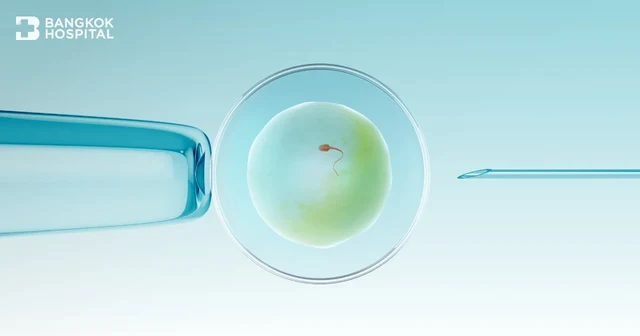



If you are diagnosed with cancer, it can affect your ability to have children, because cancer treatment with chemotherapy or radiation not only destroys cancer cells but also damages other cells in the body. Planning to freeze eggs before chemotherapy and radiation in women with cancer is therefore an option that helps increase the chances for those who wish to have children to do so after cancer treatment is successfully completed.
What is egg freezing before chemotherapy and radiation?
Egg freezing, also known as egg cryopreservation or egg banking (Egg Freezing / Oocyte Cryopreservation) is the process of retrieving eggs from the ovaries and using rapidfreezing technology to preserve theeggs at a very low temperature, andthey can later be used for fertilization to create embryos and achieve pregnancy in the future after recovery from cancer. The appropriate time to freeze eggs is before cancer treatment with chemotherapy (Chemotherapy) and radiation or radiotherapy (Radiotherapy) because the egg cellshave not yet been affected by chemotherapy or radiotherapy. However, the success of pregnancy also depends on other factors, and care should be provided by a specialized and experienced obstetrician-gynecologist.
How do chemotherapy and radiation affect fertility?
The quality of eggs in a woman’s ovaries declines with age. If cancer treatment requires chemotherapy drugs or radiotherapy, which destroy rapidly dividing cancer cells, the number of eggs in the ovaries and egg quality will decrease quickly. This depends on the type of medication, dose and duration, the radiation site, radiation dose, the patient’s age, the number of eggs before treatment begins, as well as other cancer treatments that must be given simultaneously. Once eggs are destroyed, they cannot be recovered. Even having menstrual periods does not indicate that fertility has returned to normal. Therefore, if cancer patients wish to have children, they should consult a fertility specialist and freeze multiple eggs before starting cancer treatment, so they can later be fertilized with the spouse’s sperm and developed into embryos for future pregnancy.

Who should consider freezing eggs before cancer treatment?
- Women diagnosed with cancer who want to have children in the future or who want to preserve fertility options in advance
- Women with cancer who need chemotherapy that poses a risk to ovarian function
- Women with cancer who need radiotherapy that may affect the ovaries
- Women with cancer that affects ovarian reserve
Time required to freeze eggs before treating cancer patients
In general, ovarian stimulation and monitoring follicle growth take about 1 – 2 weeks before the egg retrieval procedure. It is not necessary to wait for a particular time in the menstrual cycle. Ovarian stimulation is flexible and the egg-freezing timeline can be arranged without disrupting the cancer treatment plan. The medical team will plan and decide together because the urgency of cancer treatment varies from patient to patient. For example, for a cancer patient who must start chemotherapy in 2 weeks, the doctor will begin ovarian stimulation injections immediately, and then retrieve eggs after 2 weeks, without affecting the cancer treatment plan.
Health evaluation for cancer patients before egg freezing
- AMH hormone test AMH (Anti – Mullerian Hormone) to assess the remaining number of reserve follicles in the ovaries
- Sex hormone function tests FSH, LH, Estradiol and Progesterone
- Ultrasound AFC (Antral Follicle Count) to count baseline follicles and assess ovarian size/readiness, and to evaluate response to ovarian stimulation
- Complete blood count CBC (Complete Blood Count)
- Blood tests for sexually transmitted infections
- Patient-specific cancer-related tests that may affect the ovarian stimulation process or the egg retrieval procedure

What is the egg-freezing process for cancer patients?
The egg-freezing process for cancer patients is no different from general egg freezing, but in breast cancer patients the doctor mayuse specific medications to reduce the impact of female sex hormones on breast cancer. The egg-freezing steps include:
- Fertility assessment such as age, health, cancer type and stage, treatment plan, tests, etc.
- Ovarian stimulation The doctor will use hormone medications to stimulate multiple eggs to grow and ovulate, with possible ultrasound monitoring of follicle growth and hormone level testing as appropriate
- Egg retrieval When follicles are mature, the doctor will administer an ovulation trigger shot at a scheduled time, then retrieve eggs via the vagina
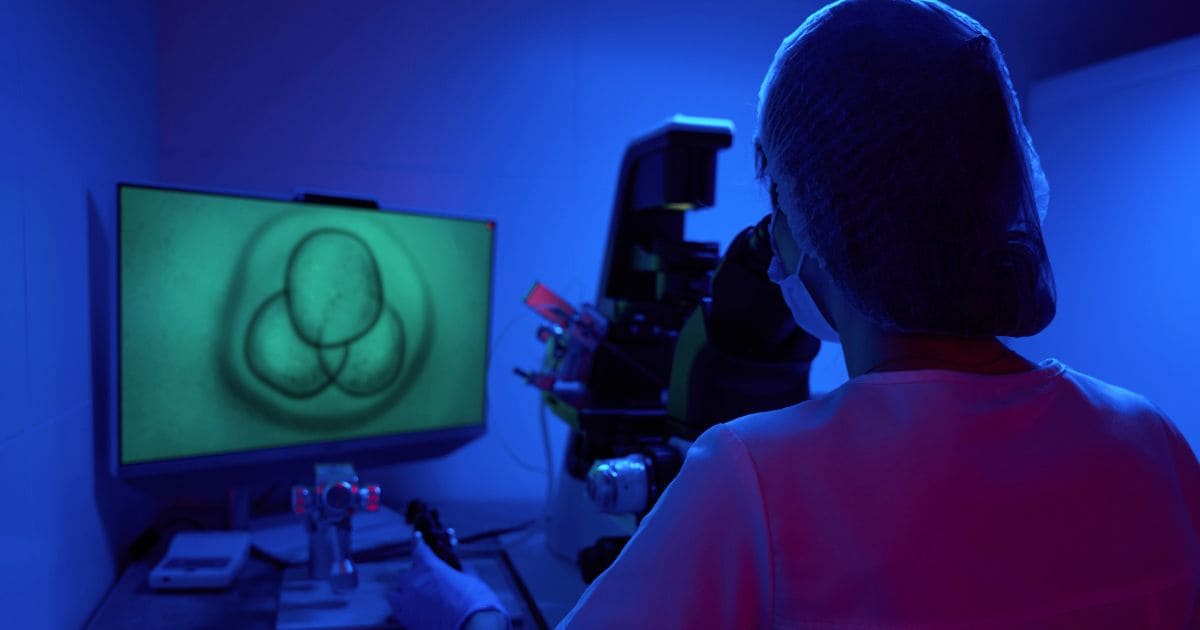
- Egg freezing Suitable eggs will be frozen using Vitrification (glass-like/crystal-free rapid freezing) to reduce ice crystal formation inside the cells, preserving them for future use as appropriate
Does the cancer patient’s age affect egg freezing?
The number and quality of eggs decline as a woman gets older. However, cancer patients generally have only one opportunity to decide before chemotherapy or radiotherapy whether to freeze eggs, regardless of their age at that time. Consulting a specialist can provide patient-specific information to support decision-making. Overall, egg freezing after age 35 has a success rate that declines rapidly with each increasing year. In addition, using frozen eggs for embryo transfer after age 47 requires a detailed readiness assessment because pregnancy complications are quite high.
How successful is pregnancy after freezing eggs before chemotherapy and radiation?
Egg freezing helps increase the chance of having children in the future after recovery from cancer but it does not guarantee a successful pregnancy, because many factors affect the success of having a child, including age at the time of egg retrieval, the number of eggs retrieved, egg quality, egg survival rate after thawing, fertilization success, embryo quality, uterine health, male sperm quality, and the mother’s overall health at the time of pregnancy. Consulting a specialist doctor will provide a detailed assessment of the patient’s success rate
for each individual case before starting treatment to support the patient’s decision-making.
If eggs were not frozen before starting cancer treatment and you want to have a child, are there other options?
If a patient undergoes cancer treatment without freezing eggs and later wants to have a child, the doctor may evaluate whether there are enough eggs available for pregnancy. If there are very few or no eggs, egg donation may need to be considered if the uterus can accept embryo implantation. Because egg freezing for cancer patients can be done only once before receiving chemotherapy or radiotherapy, if eggs were not frozen during that window and the patient later wishes to have a child, donated eggs will be necessary because egg number and quality decrease significantly after chemotherapy or radiotherapy.
If you are diagnosed with cancer and want to have children, before undergoing chemotherapy and radiation you should consult specialist doctors together as soon as possible to freeze eggs to support having children in the future.
Frequently asked questions
Q: Can all women with cancer freeze eggs?
A: Not everyone can freeze eggs. A specialist evaluation is required, including cancer, fertility status, age, health, and the urgency of cancer treatment.
Q: Which type of cancer affects fertility the most?
A: In ovarian cancer patients,it cannot be done. This also includes leukemia patients who may have low platelets, impaired blood clotting, or difficult-to-control bleeding; egg retrieval may be dangerous.
Hospital specialized in egg freezing egg banking egg cryopreservation
Infertility Center, Bangkok Hospital is ready to provide comprehensive care for those who want to have children in every dimension, including diagnosis and evaluation, infertility assessment, and egg retrieval, egg banking, and egg freezing, by expert specialist physicians, with modern tools and equipment, and a highly experienced multidisciplinary team, ready to plan conception effectively and meet the goal of a complete family.
Doctors specialized in egg freezing egg banking egg cryopreservation
Dr.Papakorn Mingmitpattanakul Obstetrician-Gynecologist specializing in infertility treatment, Infertility Center, Bangkok Hospital
You can click here to make an appointment by yourself.