

Dengue fever in children can be life-threatening because early symptoms in children may resemble the flu. By the time it’s realized as dengue fever, it often progresses to a severe stage. Thus, it’s crucial for parents and guardians to be aware of the disease to handle it correctly and reduce its severity, especially during the rainy season when infections are high every year.
What is dengue fever in children?
Dengue fever (Dengue Fever) is a viral infection transmitted by mosquitoes, found predominantly in the rainy season. Young children are the most at risk due to their weak immune systems. Diagnosing dengue fever in children may be difficult initially since symptoms often resemble those of a cold or influenza. However, if left untreated, it may lead to shock and death. For older children and adults, symptoms can be severe due to potential complications such as low platelet count and shock.
What causes dengue fever in children?
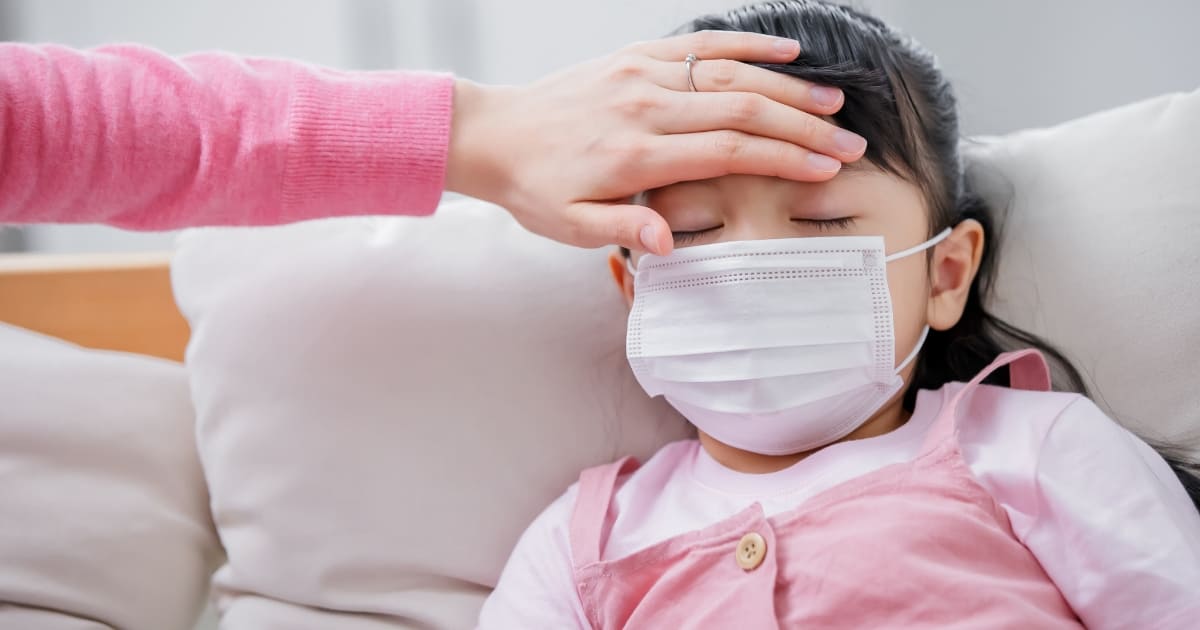
Dengue fever is a contagious disease that results from infection with the dengue virus (Dengue Virus) carried by mosquitoes, specifically the Aedes Aegypti female mosquitoes which prefer to feed during the day. A child or adult bitten by a mosquito carrying the dengue virus may become infected and exhibit symptoms including a high fever that lasts more than 5 days. The dengue virus has 4 serotypes: serotypes 1, 2, 3 and 4, all capable of causing dengue fever. Everyone can be infected with different dengue virus types multiple times, but once infected with a particular serotype, the body develops immunity to it for life, while immunity to other serotypes is only temporary. A new serotype infection can lead to severe disease.
When does dengue fever spread in children?
Dengue fever is a communicable disease transmitted by mosquitoes, commonly found in the rainy season from June to September each year. Young children, teenagers, and the elderly are high-risk groups that need special attention due to the ease of transmission and potentially severe symptoms. The disease can affect multiple systems simultaneously, requiring close monitoring.
What are the symptoms of dengue fever in children?
The symptoms of dengue fever can vary widely and may not be distinguishable from a cold or influenza initially. Symptoms of dengue fever in children to watch for include:
- Acute high fever 39 – 40 degrees Celsius lasting more than 3 days on average 5 days but may reach up to 7 days
- Severe headaches, pain behind the eyes
- Muscle pain, joint pain, abdominal pain
- Loss of appetite, fatigue, nausea, vomiting in severe cases, vomiting may contain blood
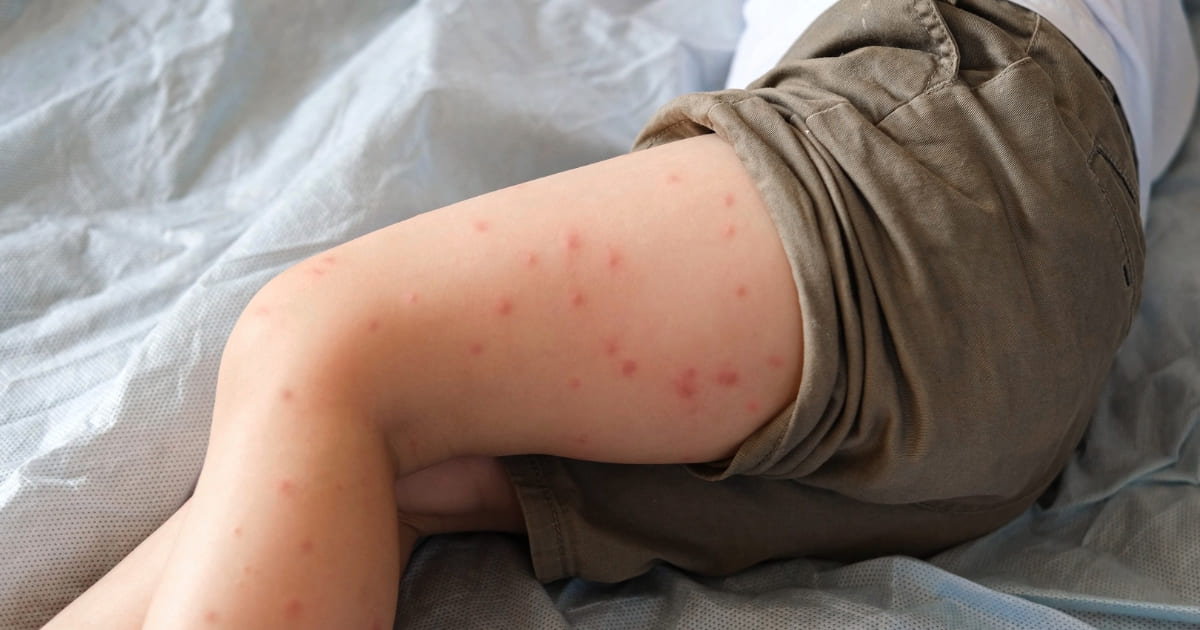
- Red rash, bleeding spots on the skin nosebleeds more than usual or bleeding gums
- In severe cases, dengue shock syndrome (Dengue Shock Syndrome) may occur, which is life-threatening and requires hospitalization for observation and appropriate fluid and electrolyte therapy
How is dengue fever diagnosed in children?
For dengue fever diagnosis, the doctor will take a detailed history, assess the symptoms, and conduct laboratory tests. These include a preliminary CBC test for blood cell counts platelet count and blood concentration. Dengue virus can be detected using PCR or an initial test kit dengue NS1 antigen which provides quick results early before any abnormalities in blood cells and platelets occur.
Treatment guidelines for dengue fever in children
Currently, there is no direct cure for dengue fever, so doctors focus on supportive care and monitoring for complications, such as:
- Providing appropriate fluids to prevent dehydration or shock from plasma leakage
- Reducing fever with paracetamol only Avoid using aspirin and other high fever reducers because they may increase the risk of gastrointestinal bleeding and other organs
- Closely monitoring the patient’s condition, especially during days 3 – 5 which is the risk period for severe conditions such as easy bleeding from low platelet count and shock low blood pressure to liver and kidney failure and seizures from dengue encephalitis severe cases require treatment in an intensive care unit (ICU) by a multidisciplinary team

How to prevent dengue fever in children?
- Controlling mosquitoes is key to preventing dengue fever, hence should eliminate mosquito breeding sites, such as keeping the lids on water containers tightly closed, changing water in vases every week, and adding sand granules to standing water.
- Apply mosquito repellent, wear long-sleeved shirts, use nets, and install mosquito screens to prevent mosquito bites.
- The dengue vaccine is the most effective prevention method, available for children 4 years or older up to adults, with a total of 2 doses, providing lifelong immunity against all serotypes.
Hospital expertise in treating dengue fever in children
The Pediatric Center at Bangkok Hospital is ready to provide care for dengue fever in children with a team of specialized and experienced doctors, modern equipment, and a multidisciplinary team to provide close consultation, helping the little ones to return to good health.
Doctors specializing in dengue fever care in children
Dr..Porntep Suandok Pediatrician, Infectious Disease Specialty, Pediatric Center, Bangkok Hospital
You can click here to make an appointment.
Dengue vaccine package for children
Dengue vaccine for children priced at 6,100 Baht (2 doses for children aged 4 – 14 years)