
The severity of meningitis in children (Meningitis) is a concern for parents and guardians because it can be severe, affect development, and may be fatal. Being aware, closely observing abnormalities, and preventing it correctly can help reduce the long-term risk of meningitis in children.
What is meningitis in children?
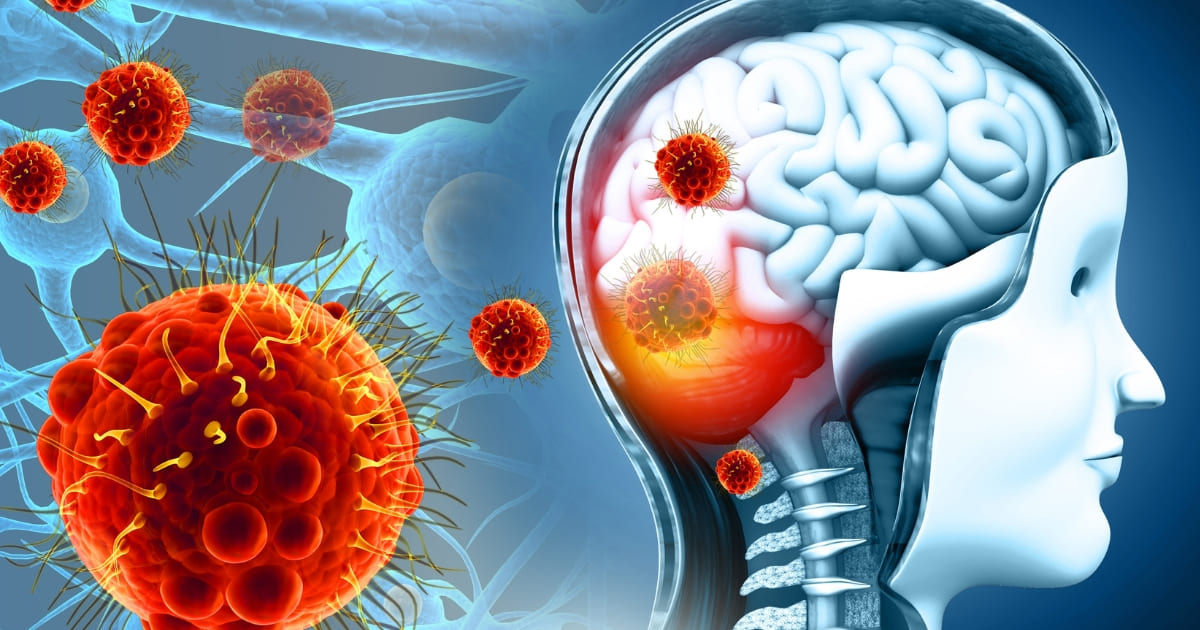
Meningitis in children (Meningitis) is swelling or inflammation of the membranes covering the brain and spinal cord in children. It most commonly occurs in young children under 5 years of age and is often caused by bacterial infection, including Streptococcus pneumoniae, Haemophilus Influenzae Type B, Neisseria Meningitidis, and Salmonella. If not treated in time, serious complications may occur because young children have low immunity, allowing pathogens to spread to various organs more easily. When symptoms appear, they are often very severe and may result in disability or even death.
Causes of meningitis in children
Meningitis in children can be caused by bacterial, viral, or fungal infections, with bacterial infection being the most common. Fungal infection is more commonly found in children with weakened or compromised immune systems.
Which children are at risk of meningitis?
Children whose immune systems are not strong or fully developed are at very high risk of meningitis, including infants and children under 1 year of age, as well as children receiving immunosuppressive drugs or who have underlying medical conditions.
What are the symptoms of meningitis in children?
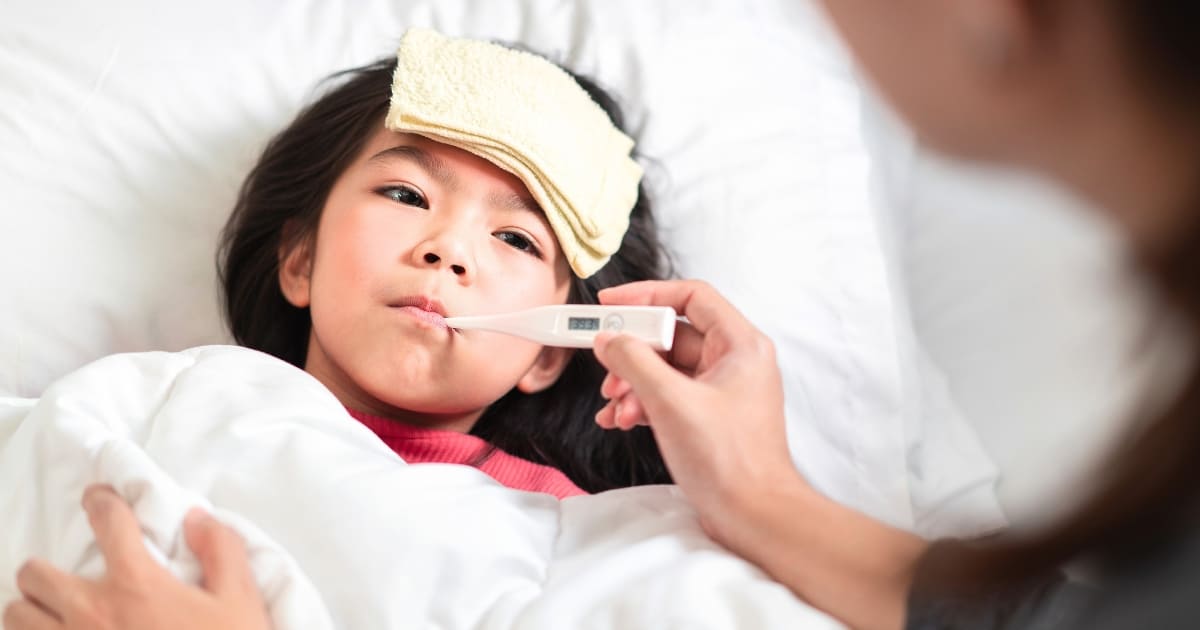
Symptoms of meningitis in children depend on the cause of infection and the child’s age. In young children, symptoms appear very quickly, so parents and guardians should closely observe for abnormalities.
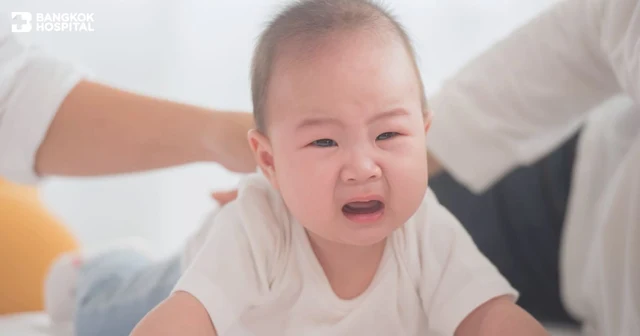
- Infants Possible symptoms include fever, sleeping more than usual, reduced feeding, vomiting, lethargy, seizures, red-to-purple rash, high-pitched crying, or soft moaning.
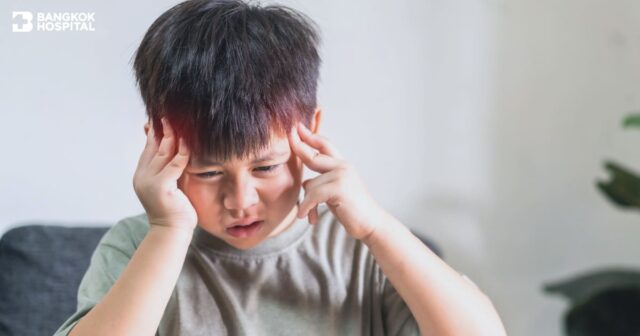
- Children 1 year and older Possible symptoms include fever, neck pain, back pain, headache, drowsiness, confusion, irritability, loss of appetite, decreased consciousness, seizures, light sensitivity, nausea, vomiting, stiff neck, red-purple pinpoint rash, and restlessness.
Transmission of meningitis in children
- Close contact with an infected person via saliva droplets from sneezing or sharing meals.
- Contact with contaminated objects such as toys, doorknobs, hard surfaces, then touching the nose, mouth, or eyes.
How is meningitis in children diagnosed?
- Medical history, physical examination, blood tests
- Lumbar puncture to diagnose meningitis by inserting a needle into the spinal canal to measure pressure in the spinal canal and brain, and drawing a small amount of cerebrospinal fluid for infection testing
- Brain CT scan (Computerized Tomography: CT Scan)
- Brain MRI (Magnetic Resonance: MRI)

How is meningitis in children treated?
Treatment of meningitis in children depends on symptoms, severity, age, and the child’s health and is divided into:
- Bacterial meningitis in children Doctors administer intravenous antibiotics to kill bacteria, and may also give steroids for certain pathogens to reduce swelling or inflammation, lower pressure in the brain, and reduce the risk of hearing loss.
- Viral meningitis in children Most children recover on their own, except for herpes virus or influenza virus, which require prompt antiviral treatment to reduce severity. In infants and children with low immunity, hospitalization is required for close monitoring.
- Fungal meningitis in children Doctors administer intravenous antifungal medication.
- Tuberculous meningitis in children (TB) Doctors prescribe multiple anti-tuberculosis medications along with
steroids to reduce inflammation. Treatment takes a long time, up to a year.
Complications of meningitis in children
Meningitis in children may lead to long-term complications, including:
- Seizures
- Brain damage
- Hearing loss
- Intellectual impairment
- Physical disability
Preventing meningitis in children
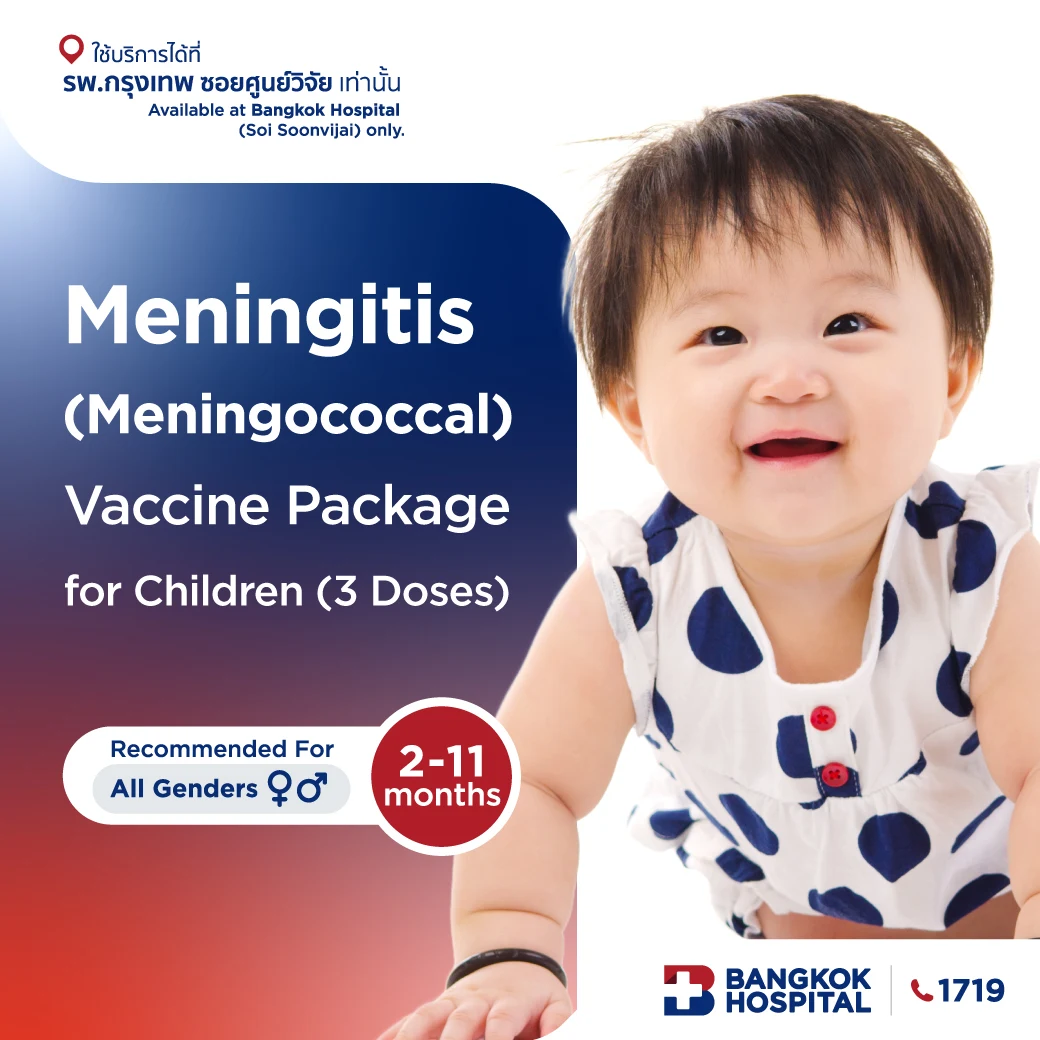
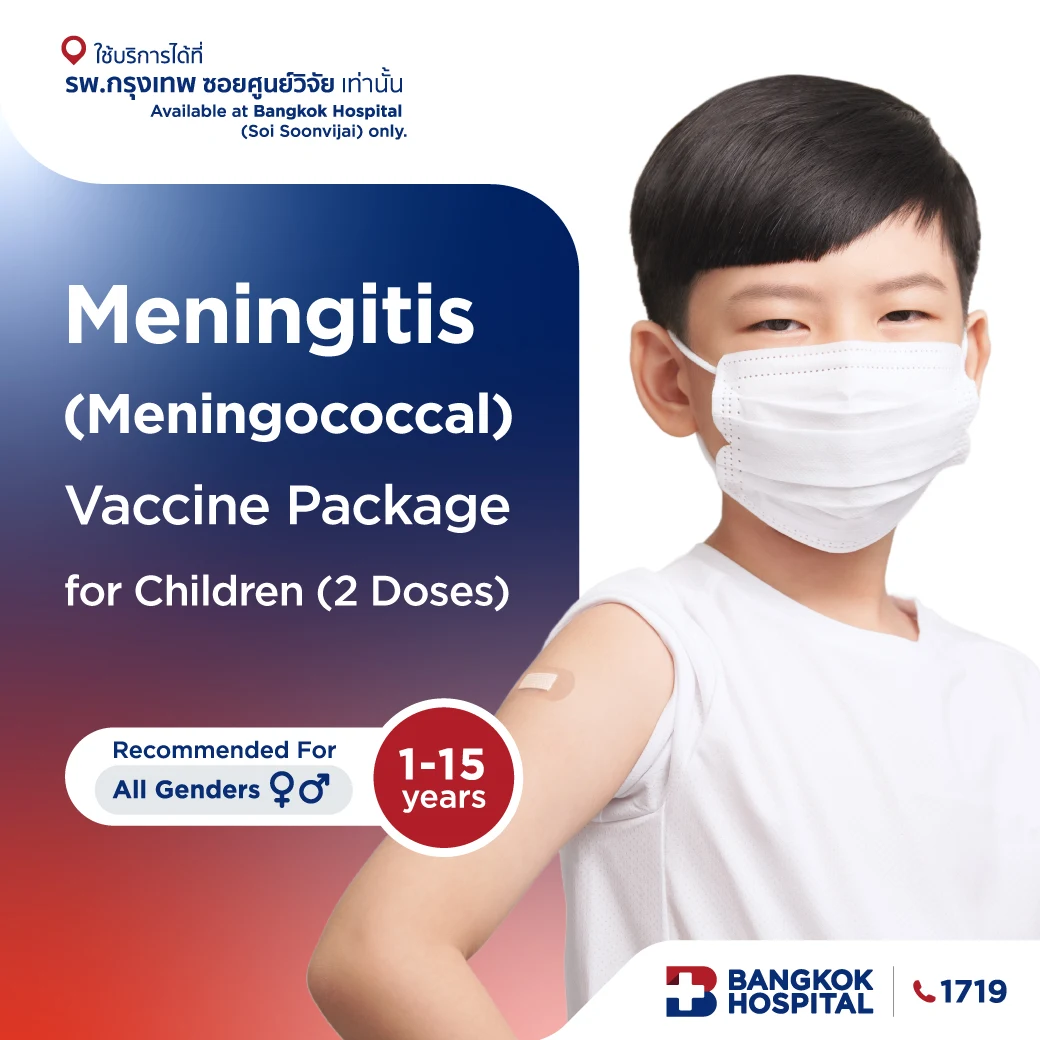
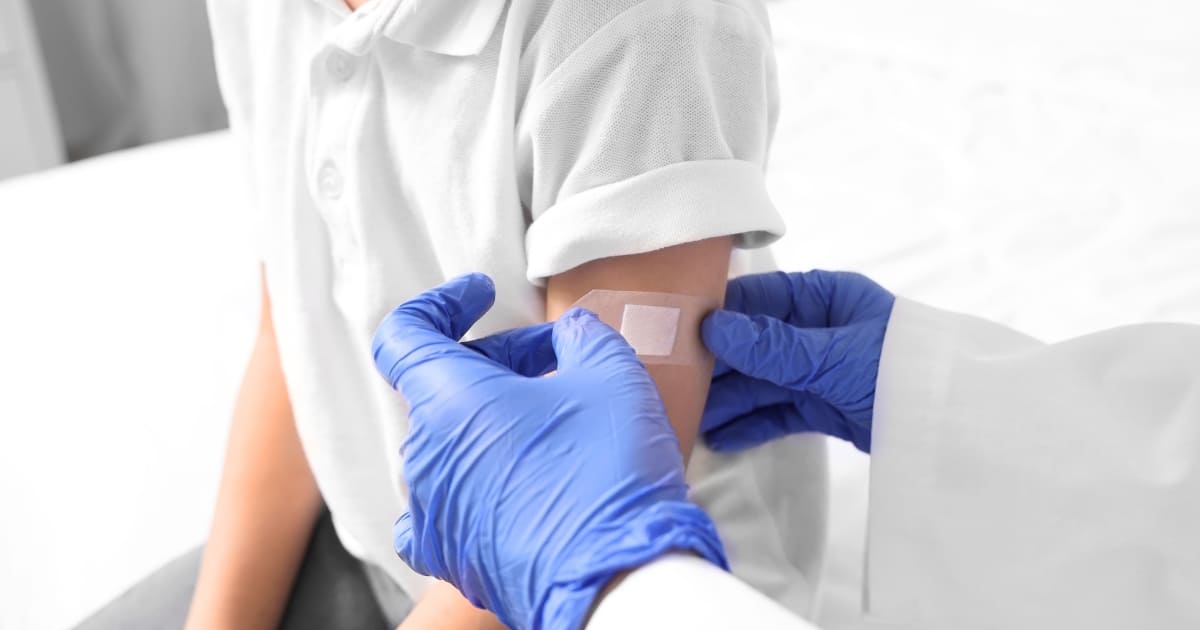
- Vaccinate children to prevent meningitis.
- Avoid taking young children to public places or crowded areas.
- Eat a complete diet of all 5 food groups; consume freshly cooked foods.
- Wash hands regularly and maintain consistent hygiene.
- Exercise appropriately.
Which hospital specializes in treating meningitis in children?
Pediatric Center, Bangkok Hospital is ready to provide assessment, diagnosis, and treatment planning for meningitis in children, as well as correct consultation and guidance, with a team of specialist physicians and a multidisciplinary team with expertise and extensive experience to help children regain a good quality of life.
Doctors specializing in treating meningitis in children
Dr. Porntep Suandork Pediatric Infectious Disease Specialist, Pediatric Center, Bangkok Hospital
You can click here to make an appointment yourself.