

Chronic Obstructive Pulmonary Disease
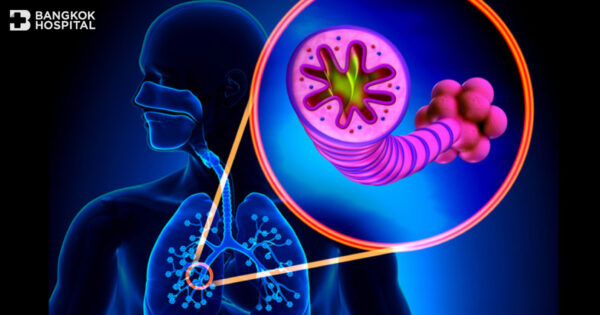
Chronic Obstructive Pulmonary Disease (COPD) is a chronic lung disease where patients have pathological conditions of emphysema and/or chronic bronchitis occurring together
Causes of Chronic Obstructive Pulmonary Disease
Common causes include:
- Smoking
- Air pollution
- Genetics
- etc.
Symptoms of Chronic Obstructive Pulmonary Disease
Common symptoms of Chronic Obstructive Pulmonary Disease
-
Shortness of breath
-
Cough
-
Production of phlegm


Risk Factors for Chronic Obstructive Pulmonary Disease
The global risk factors for Chronic Obstructive Pulmonary Disease (COPD) include smoking, where about 20% of smokers will develop COPD, and nearly half of those who have smoked for almost a lifetime will develop COPD in the United States and the United Kingdom 80 – 95% of those with COPD are current or former smokersThe trend in developing COPD increases from exposure to smoking altogether. Additionally, women are more sensitive to the harmful effects of smoking than men among non-smokers. Being close to smokers is a cause of the disease for about 20%. Other types of smoking such as marijuana, cigars, and water pipe smoking are also risk factors. Women who smoke during pregnancy may increase the risk of
COPD in children

Diagnosing Chronic Obstructive Pulmonary Disease
The diagnosis of Chronic Obstructive Pulmonary Disease (COPD) should be considered in those aged 35 – 40 years and older who have symptoms such as shortness of breath, chronic cough, production of phlegm, or frequent colds in winter, and have a history of exposure to risk factors of the disease. Then, lung function tests (Spirometry) are used to confirm the diagnosis
Lung Function Test
A lung function test measures the current degree of obstruction in the airway system and is generally conducted after the use of bronchodilators, which helps open up the airways. The main components to be measured for diagnosis are:- Forced Expiratory Volume in 1 second (FEV1), which is the maximum volume of air that can be exhaled in the first second of expiration
- Forced Vital Capacity (FVC), which is the maximum amount of air that can be expelled in a full expiration
In general, 75 – 80% of the FVC is derived from the first second and an FEV1/FVC ratio lower than 70% in individuals presenting symptoms of COPD is defined as having the disease based on these measurements. Measuring air volume may lead to diagnostic errors in older patients. Additionally, the National Institute for Health and Care Excellence (NICE) has set that the FEV1 must be less than 80% of the predicted value

Assessing Disease Severity
The severity of the disease is assessed using the GOLD level score as follows:
|
Severity |
Predicted %FEV1 |
|
Mild (GOLD 1) |
≥80 |
|
Moderate (GOLD 2) |
50 – 79 |
|
Severe (GOLD 3) |
30 – 49 |
|
Very severe (GOLD 4) |
<30 or respiratory failure |
Treatment of Chronic Obstructive Pulmonary Disease
Chronic Obstructive Pulmonary Disease (COPD) does not have a definitive cure, but the symptoms can be treated and the progression of the disease can be slowed. The main goal of managing the disease is to reduce risk factors, such as quitting smoking, though some causes cannot be modified, such as genetics
- Supportive care based on symptoms
- Use of bronchodilators, which are available in oral and inhaled forms
- Anti-inflammatory medications such as steroids
- Oxygen therapy
- Physical therapy
- Surgery for parts of the lung that are severely over-inflated
Measures showing a reduction in mortality include quitting smoking and the use of supplemental oxygen only Quitting smoking can reduce the risk of death by 18%
Preventing Chronic Obstructive Pulmonary Disease
Chronic Obstructive Pulmonary Disease (COPD) can be prevented by- Avoiding and eliminating exposure to cigarette smoke or air pollutants
- Getting an annual flu vaccine
- Getting vaccinated against pneumococcal infections for those with COPD can help reduce exacerbations, hospital admissions, and mortality
- Reducing the amount of smoking
- Reducing exposure from air pollution and improving air quality both indoors and outdoors
Quit Smoking Now
- Preventing initiation of smoking is a key principle in preventing Chronic Obstructive Pulmonary Disease (COPD), including banning smoking in public places and workplaces, reducing exposure to secondhand smoke.
- In the group of smokers, quitting smoking is the only measure that slows the decline of COPD, even in the later stages of the disease. Quitting smoking reduces the rate of lung function decline and delays the onset of disability and death.
- Quitting smoking begins with the decision to quit and then the attempt to stop smoking. Most will need several attempts before succeeding. In almost 40% of cases, attempts over more than 5 years result in success.
- Some smokers can successfully quit long-term through sheer determination alone.
- Smoking is a tough addiction to break and many smokers need additional support. Chances of quitting smoking can be increased with social support, participation in smoking cessation programs, and medication, such as Nicotine Replacement Therapy, Bupropion, or Varenicline.
Globally, there were 329 million people with Chronic Obstructive Pulmonary Disease (COPD) nearly 5% of the population in 2012. This disease is the third leading cause of death killing over 3 million people. The number of deaths is expected to increase due to rising smoking rates and aging populations in many countries