



Blocked fallopian tubes is a condition that many people do not realize they have until they have been trying to conceive for a long time but still are not pregnant, because this condition often does not show clear symptoms. Most women still have regular periods and can live their lives as usual, even though the fallopian tubes are an important pathway where the egg and sperm must meet. If this pathway becomes narrowed or blocked, the chance of conceiving naturally decreases, and in some cases it may increase the risk of an ectopic pregnancy. Understanding the causes, diagnostic methods, and treatment options can help couples who want to have a baby plan sooner.
Blocked fallopian tubes: What is it?
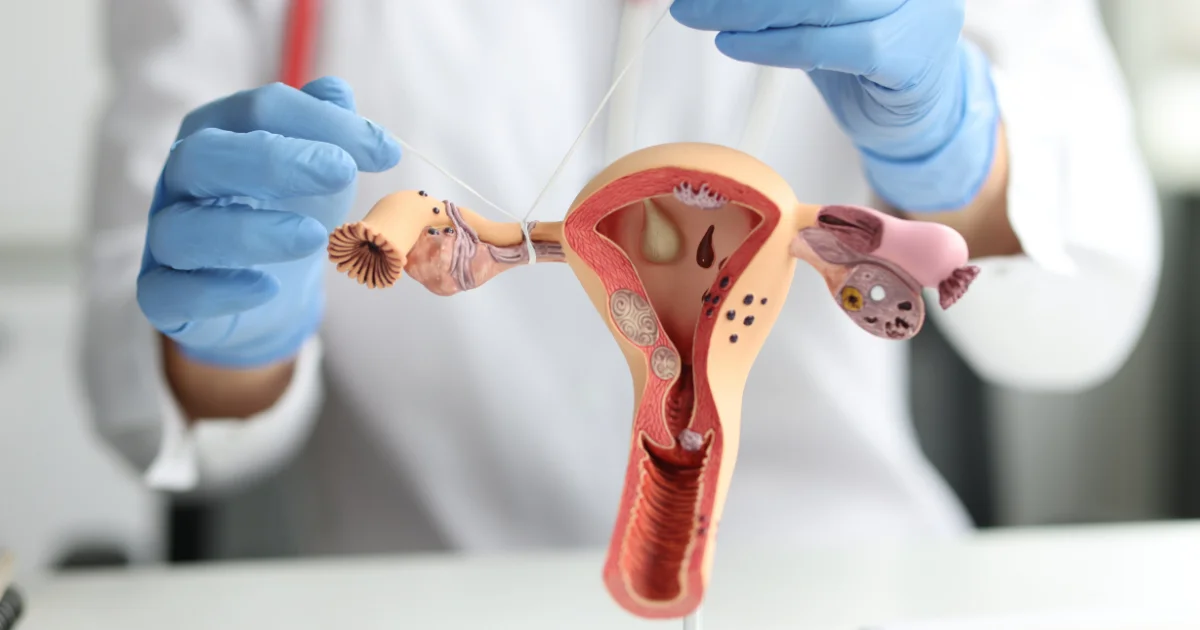
The fallopian tubes (Fallopian Tube) are two small tubes that connect the ovaries to the uterine cavity. They receive the egg released from the ovary, are the site where sperm fertilizes the egg, and transport the embryo down to implant in the uterine cavity. Blocked fallopian tubes (Blocked Fallopian Tubes) refers to a condition in which one or both fallopian tubes are narrowed or blocked or have an obstruction, such as adhesions or scar tissue, preventing the egg and sperm from traveling to meet normally.
Blockage can occur at several locations: near the uterus, in the middle portion of the tube, or at the end close to the ovary. Some people have a partial blockage, some have a complete blockage, and some have fluid accumulation within the tube causing it to become swollen and distended, called hydrosalpinx (Hydrosalpinx). Doctors use these characteristics to help plan treatment.
What causes blocked fallopian tubes?
Blocked fallopian tubes most commonly result from adhesions or scar tissue within the pelvis, which can be the aftermath of inflammation, infection, or surgery in the past. Some people therefore do not know they have risk factors. Common causes include:
- Pelvic infection: Pelvic inflammatory disease (Pelvic Inflammatory Disease – PID) is often associated with sexually transmitted infections such as gonorrhea and chlamydia. Inflammation may leave adhesions in the fallopian tubes even after the infection has resolved.
- Endometriosis: Endometriosis (Endometriosis) causes tissue similar to the uterine lining to grow outside the uterus, including around the fallopian tubes, leading to inflammation and adhesions that can pull on or block the tubes.
- History of abdominal or pelvic surgery: Surgery in this area, including surgery directly on the fallopian tubes, can cause postoperative adhesions that affect fallopian tube function.
- Ruptured appendicitis: When the appendix ruptures, inflammation and infection may spread to nearby pelvic organs, causing adhesions around the fallopian tubes.
- History of ectopic pregnancy: An ectopic pregnancy in the fallopian tube, including its treatment, may damage that tube or leave scarring.
People with these factors who have been trying to conceive for some time but are still not pregnant should consult a doctor for evaluation.
Symptoms and warning signs of blocked fallopian tubes
Most women with blocked fallopian tubes have no abnormal symptoms. A common sign is trying to have a baby but not becoming pregnant despite regular unprotected intercourse. However, some people may have symptoms related to the cause of the blockage, such as:
- Lower abdominal or chronic pelvic pain, especially in those with hydrosalpinx
- Unusually severe menstrual pain or pain during intercourse, which may occur with endometriosis
- Abnormal vaginal discharge, fever, or lower abdominal pain, which may be a sign of pelvic infection
These symptoms are not specific to blocked fallopian tubes and may be caused by other gynecologic conditions. Therefore, undergoing an infertility evaluation with a doctor can help identify the true cause and make an appropriate plan.
Potential impacts and complications
Although blocked fallopian tubes are not an acutely dangerous condition in themselves, the main effects relate directly to fertility. They can be divided into two key issues:
Infertility
Blocked fallopian tubes are one cause of female infertility. When both tubes are blocked, the egg and sperm cannot meet, making natural pregnancy very difficult. If only one tube is blocked, and the ovaries function normally and the other tube remains open, pregnancy is still possible, but the chance may decrease by almost 50% compared with those whose both tubes are normal.
In cases of hydrosalpinx, the fluid inside the tube may flow back into the uterine cavity and affect embryo implantation. Therefore, some doctors may recommend surgical removal of the hydrosalpinx-affected tube before starting IVF or before embryo transfer, depending on the doctor’s assessment for each individual.
Ectopic pregnancy
If a fallopian tube is narrowed or only partially blocked, sperm (which is small) may still pass through to fertilize the egg, but the embryo (which is larger) may not be able to move down into the uterine cavity and may implant in the tube instead. This is called ectopic pregnancy (Ectopic Pregnancy). This condition cannot continue to full term, and if the tube ruptures, it can cause intra-abdominal bleeding. If a pregnant person experiences severe lower abdominal pain, vaginal bleeding, or dizziness/fainting, they should seek medical attention as soon as possible.
Diagnosis of blocked fallopian tubes
Because blocked fallopian tubes often have no symptoms, diagnosis relies on tests that help determine whether the tubes are open. The doctor will take a history, perform a pelvic exam, and select the appropriate tests for each patient. Commonly used methods include:
Hysterosalpingography (HSG)
Hysterosalpingography (Hysterosalpingography – HSG) is a commonly used method to assess tubal patency. The doctor inserts a small catheter through the cervix to inject contrast dye into the uterine cavity, then takes X-ray images to see whether the dye flows through the fallopian tubes and spills into the abdominal cavity. If the dye stops at a certain point, it suggests a possible blockage at that location. This test also helps show the shape of the uterine cavity. During the test, some people may feel cramping similar to menstrual pain.
Ultrasound
A routine transvaginal ultrasound usually cannot visualize normal fallopian tubes, but it may help detect hydrosalpinx, cysts, or other pelvic abnormalities. If evaluation of fallopian tube function is needed, the doctor may use hysterosalpingo-contrast sonography (Hysterosalpingo-Contrast Sonography – HyCoSy), which uses a principle similar to HSG but visualizes the flow via ultrasound rather than X-ray.
Laparoscopy
Laparoscopy (Laparoscopy) is a diagnostic procedure performed through small incisions in the abdomen, inserting a camera to directly view the pelvic organs. It is often performed together with dye injection through the cervix to see whether dye passes through the fallopian tubes. This method allows the doctor to see adhesions or lesions from endometriosis, and in some cases, abnormalities may be corrected during the same procedure. This examination requires anesthesia, so doctors typically consider it when initial test results are unclear or when coexisting conditions are suspected.
Treatment for blocked fallopian tubes and options for those who want to have a baby

Treatment for blocked fallopian tubes depends on the location and severity of the blockage, age, ovarian reserve, and the male partner’s sperm quality. In some cases, the doctor may consider laparoscopic surgery to remove adhesions or repair the fallopian tubes. For those who want to have a baby, the doctor may recommend the following assisted reproductive technologies:
- Intrauterine insemination (IUI): Intrauterine insemination (Intrauterine Insemination – IUI) involves selecting strong sperm and injecting them into the uterine cavity around the time of ovulation. This method still relies on the fallopian tubes for fertilization, so it may be considered only for those with at least one tube still open and is not suitable for those with both tubes blocked.
- In vitro fertilization (IVF / ICSI): In vitro fertilization (In Vitro Fertilization – IVF) involves retrieving eggs and fertilizing them with sperm in a laboratory. ICSI (Intracytoplasmic Sperm Injection – ICSI) involves injecting a sperm directly into the egg. The embryo is then transferred back into the uterine cavity. This method does not require the fallopian tubes, making it the main option for those with both tubes blocked or when tubal repair is not possible.
Consult about infertility at Bangkok Hospital
The Infertility Center at Bangkok Hospital provides consultation and evaluation to identify the causes of infertility, from assessing fallopian tube function to planning treatment based on identified causes, such as intrauterine insemination and IVF. Doctors will choose an approach appropriate for each couple. Treatment results depend on the individual and the doctor’s assessment.
Article summary
Blocked fallopian tubes are a cause of infertility that often has no symptoms. Most cases result from adhesions after pelvic infection, endometriosis, or previous surgery. Testing with HSG, ultrasound, or laparoscopy helps the doctor determine the location and severity of the blockage, leading to selection of an appropriate approach, including corrective surgery, insemination, or IVF. If you have been trying to conceive for some time without becoming pregnant, or have a history of risk factors, you should consult a specialist, such as at the Infertility Center at Bangkok Hospital, to be evaluated early.
Frequently Asked Questions (FAQ) about blocked fallopian tubes
1. If one fallopian tube is blocked, can you conceive naturally?
Natural pregnancy is possible if the other tube is normal, ovarian function is good, and the male partner has normal sperm, because ovulation may occur from the ovary on the side with the open tube. However, the chance may be reduced compared with those with both tubes normal. If you have tried and still are not pregnant, the doctor may recommend insemination or IVF.
2. If both fallopian tubes are blocked, can IVF/ICSI be done?
Yes. IVF involves fertilization outside the body and transferring the embryo directly into the uterine cavity, so it does not require the fallopian tubes. In cases of hydrosalpinx, the doctor may consider surgery on the fallopian tubes before embryo transfer. Treatment results depend on the individual and the doctor’s assessment.
3. Can blocked fallopian tubes be treated to reopen normally?
It depends on the cause, location, and severity of the blockage. In some cases, laparoscopic surgery may help open the tubes or remove adhesions. However, if the tubes are severely damaged, repair may not restore normal function and may increase the risk of ectopic pregnancy. Those who want to have a baby should consult a doctor to choose between surgery and IVF.
4. Do herbal medicines really help solve blocked fallopian tubes?
Currently, there is no scientific evidence confirming that herbal medicines or natural methods can open blocked fallopian tubes, because most blockages are caused by adhesions or scar tissue. Using herbal remedies without consulting a doctor may waste time for treatment, especially in women as age increases and egg quantity decreases.
5. Can a general ultrasound alone diagnose blocked fallopian tubes?
In most cases, it cannot, because normal fallopian tubes are small and are usually not visible on routine ultrasound. Although ultrasound may detect hydrosalpinx in some cases, confirming whether the tubes are open requires specific tests such as HSG, HyCoSy, or laparoscopy.