
The pancreas is a long, flat gland that locates behind the stomach in the upper abdomen next to the beginning of small intestine. The pancreas produces enzymes that help digestion and hormones that regulate blood sugar level (glucose). Pancreatitis is a disease in which the pancreas becomes inflamed. There are two forms of pancreatitis: acute and chronic. Acute pancreatitis appears suddenly and normally lasts for days while chronic pancreatitis occurs over many years. Acute pancreatitis is commonly found in men, rather than women. Signs and symptoms of pancreatitis may vary, depending on its severity. Presenting symptoms are upper abdominal pain that might radiate to the back, abdominal tenderness, nausea and vomiting. If left untreated, serious complications might include cyst-like pockets in the pancreas, infection and kidney failure. If warning symptoms are indicated, medical attention must be sought urgently in order to receive accurate diagnosis and timely treatments.
Get to know “acute pancreatitis”
Pancreatitis is inflammation in the pancreas which occurs when the digestive enzymes are activated before they are released into the small intestine and these enzymes begin attacking the pancreas and causing inflammation. Acute pancreatitis usually happens suddenly and urgent treatment is required. If the condition is not treated within 1-2 weeks, serious complications might develop.
Signs and symptoms
Acute pancreatitis signs and symptoms include:
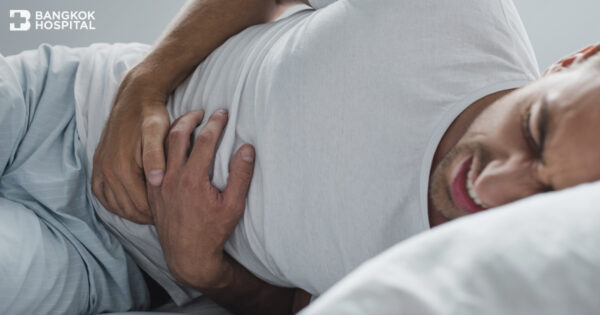
- Severe and sudden abdominal pain that lasts from 10 minutes up to hours.
- Abdominal pain that radiates to the back
- Nausea, vomiting and diarrhea
- Low-grade or high-grade fever
- Abdominal tenderness when touching the abdomen
- Rapid pulse and respiratory rate


Risk factors
Contributing factors to acute pancreatitis mainly involve:
- Chronic alcohol abuse. Risk of developing acute pancreatitis increases in long-term alcohol use (greater than 50 grams per day, at least 5 consecutive years).
- Gallstones. When a gallstone gets stuck, it can lead to inflammation in both the common bile duct and pancreas, especially if stones are smaller than 5 mm.
- Other causes e.g. high calcium levels in the blood (hypercalcemia), high triglyceride levels in the blood (hypertriglyceridemia), certain medications, pancreatic tumor and idiopathic pancreatitis with unknown cause.
Types of acute pancreatitis
Acute pancreatitis can be categorized into 2 main types:
- Interstitial edematous pancreatitis:
Acute interstitial edematous pancreatitis is a common subtype of acute pancreatitis. The inflammation of the pancreas causes edema and swelling around the pancreas.
- Necrotizing pancreatitis:
It accounts for 5-10% of acute pancreatitis cases. Necrotizing pancreatitis is a condition where parts of the pancreas die due to lack of sufficient blood supply and may get infected.
Severity of acute pancreatitis
Stratified by diseases severity, acute pancreatitis can be classified into:
- Mild acute pancreatitis: Mild inflammation does not exhibit both local complications (e.g. fluid collection, ascites , pancreatic pseudocyst, pancreatic necrosis or infective pancreatic necrosis) and systemic complications such as pulmonary complications (e.g. pulmonary edema and respiratory distress syndrome).
- Moderately severe acute pancreatitis: Local complications and systemic complications are presented with organ failure that clinically improves within 48 hours.
- Severe acute pancreatitis: Local complications and systemic complications are presented with persistent organ failure that lasts longer than 48 hours. This condition is highly associated with a higher mortality and morbidity.
Diagnosis of acute pancreatitis
Tests and procedures used to diagnose pancreatitis include:
- Medical history taking
- Physical examination
- Blood tests to determine CBC (complete blood count), levels of pancreatic enzymes, blood sugar level, blood calcium level and triglyceride level.
- Serum amylase and lipase levels. These enzymes are typically elevated in patients with acute pancreatitis. Increased amylase level presents within 6-12 hours after inflammation while lipase level suddenly elevates on the first day of pancreatic inflammation.
- Abdominal ultrasound to identify gallstones and pancreatic inflammation. In addition, endoscopic ultrasound might be used to evaluate inflammation and blockages in the pancreatic duct or bile duct.
- Computerized tomography (CT) scan to determine gallstones and assess the extent of pancreas inflammation.
- Endoscopic retrograde cholangiopancreatography (ERCP). During this procedure, long tube with a camera on the end is used to examine pancreas and bile ducts.
Treatment of acute pancreatitis
Most cases of acute pancreatitis usually exhibit mild symptoms which normally improve within 1-2 weeks after receiving appropriate and timely treatments from specialized doctors. However, in moderately severe or severe acute pancreatitis, treatment options include:
- Fasting. In order to allow pancreas a chance to fully recover, stop eating and drinking for a couple of days in the hospital is required. Once the inflammation is controlled, drinking clear liquids and eating bland foods may be instructed. If pancreatitis persists, a feeding tube may be needed.
- Pain medications (non-morphine regimens)
- Intravenous (IV) fluids. As the body devotes energy and fluids to repairing inflamed pancreas, dehydration may occur. Extra fluids through a vein might be prescribed.
- Close monitoring of possible complications
- Laparoscopic cholecystectomy. If gallstones caused pancreatitis, surgery to remove gallbladder is recommended. However, only small number of acute pancreatitis cases are caused by obstruction of gallstones.
- Pancreas surgery. Surgery may be necessary to drain fluid from the infected pancreas or to remove dead tissue (pancreatic necrosectomy). In pancreatitis caused by a narrowed or blocked bile duct may require procedures to open or widen the bile duct which is called endoscopic retrograde cholangiopancreatography or ERCP.
Prevention of acute pancreatitis
To lower risks of developing acute pancreatitis, lifestyle modifications include:
- Stop drinking alcohol.
- Choose a low-fat diet emphasizing on fresh fruits, vegetables and lean protein.
- Regularly exercise.
- Have annual check-ups regularly.
If warning signs and symptoms are suspected, do not wait. Immediate medical attention must be provided as soon as possible.