

As we are getting older, our body and organs begin to deteriorate and become more susceptible to a variety of diseases. The timing varies among individuals depending on several factors, including: lifestyle, diet, stress, etc. In order to maintain a perfect health, you have to take care of your body.


1) Depression
Depression is a common problem among older adults, but it is not a normal part of aging. Important life changes that happen as we get older may cause feelings of uneasiness, stress, and sadness. For example, moving from work into retirement, or dealing with a serious illness can leave people feeling sad or anxious. After a period of adjustment, many people can regain their emotional balance, but some do not and may develop depression. Depression in elderly may be difficult to recognize because they may show different symptoms than younger people. Sometimes older people who are depressed appear to feel tired, have trouble sleeping, or seem grumpy and irritable. If you notice these signs or symptoms, consult a doctor immediately. The doctor can provide an effective screening for depression, allowing for better diagnosis and treatment.

2) Fall
Falls are the leading cause of death, injury and hospital admissions among the elderly population. According to the department of disease control’s statistics, people aged 65 and older have 28-35% risk of falling. In adults older than 70 years old, the risk increases to 32-42% especially during the trips to toilet at night. Several factors contribute to the fact that seniors fall so much more frequently than younger people, including: decline in physical fitness, impaired vision, chronic diseases, and environmental hazards. You can definitely reduce fall risk by encouraging strength and balance exercises, and by optimizing the home environment. Also, the doctor can help assess falling risk using Tandem Standing Test and recommend ways to build muscle strength for the elderly.

3) Alzheimer’s Disease
Alzheimer’s disease is a progressive disease that destroys memory and cognitive function. It is the most common cause of dementia. Increasing age is the greatest known risk factor for Alzheimer’s. In Alzheimer’s disease, the brain cells degenerate and die, causing a steady decline in memory and mental function. Your risk of developing Alzheimer’s appears to be higher if a first-degree relative has the disease. Research shows that there is an association between lifelong involvement in mentally and socially stimulating activities and a reduced risk of Alzheimer’s disease. Also, it is important to get a screening by a specialist in order to find out the risks.
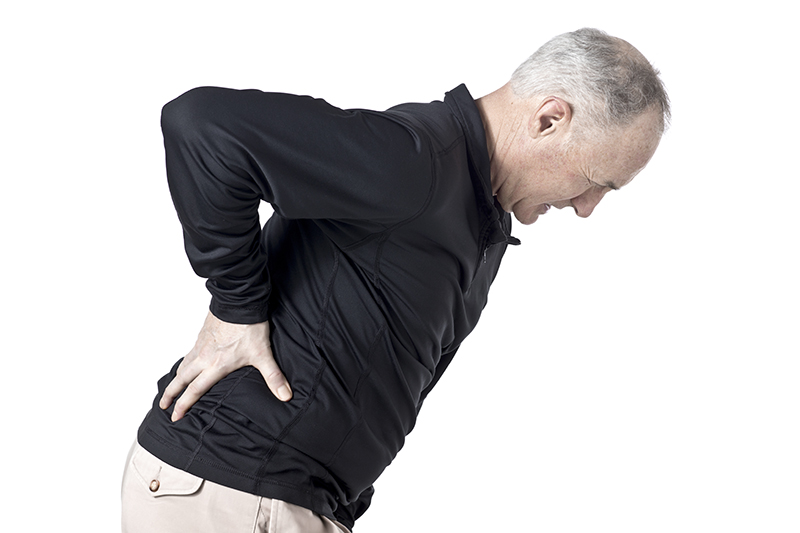
4) Muscle Weakness
Aging process leads to changes in skeletal muscle quantity and quality, which cause muscle weakness and disability in the aging population. Our fitness levels naturally begin a slow decline after our 20s. The loss of strength may be bilateral, proximal, or distal. It is important to monitor signs and symptoms of your loved ones and consult a doctor. The doctor is also able to assess the weakness by several tests. For example, Five Times Sit to Stand Test is useful for assessing lower limb muscle strength.
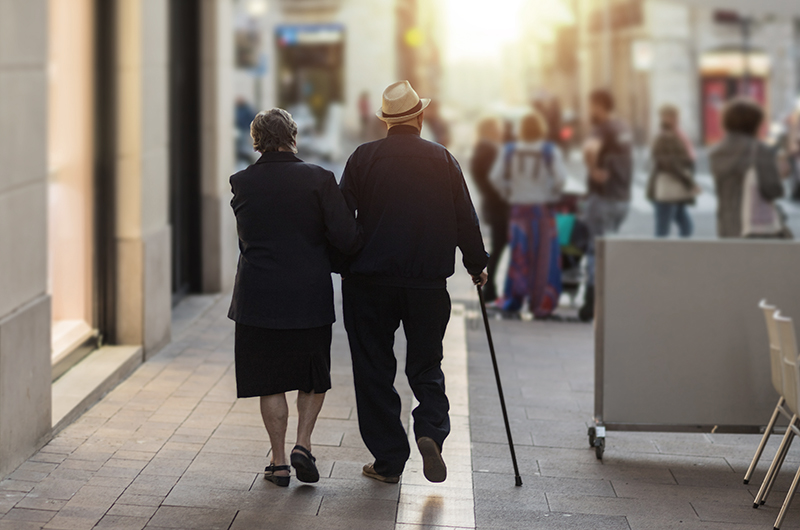
5) Changes in gait
Some elements of gait normally change with aging. Speed of walking declines with aging and is a powerful predictor of mortality. At age 75, slow walkers die 6 years earlier than normal velocity walkers and 10 years earlier than fast velocity walkers. Routine gait assessment can be done by a doctor using 4 Meter Gait Speed Test. Also, some treatment interventions can lead to improvement. These include exercise, choosing appropriate shoes, balance training, and assistive devices.
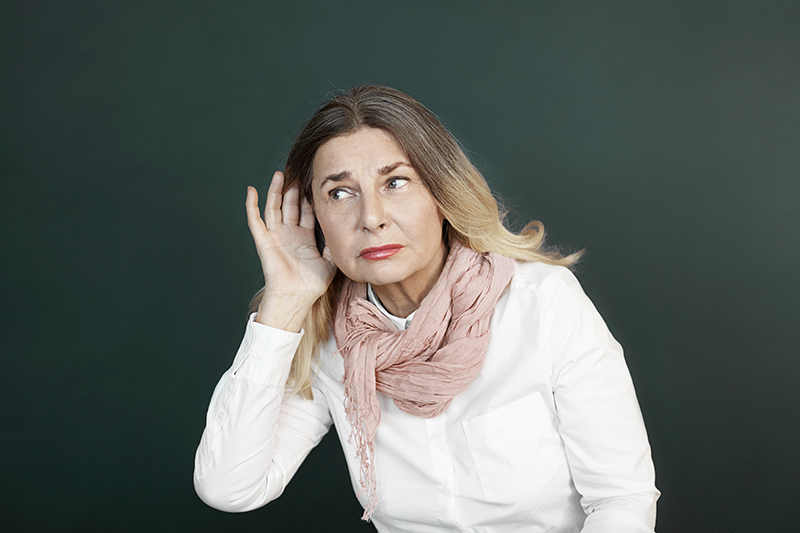
6) Sensory changes
- Ears – Hearing impairment is common in older adults. Due to gradual loss of hair cells, and fibrous changes in the small blood vessels that supply the cochlea. The elderly usually experiences difficulty hearing high pitched sounds.
- Eyes – A loss of elasticity in the lens of eye leading to a decrease in the eyes ability to change the shape of the lens to focus on near objects such as fine print and decreased ability to adapt to light. Some older adults may have cataracts, glaucoma, or macular degeneration.
- Nose – The sense of smell and ability to identify odors decreases due to normal changes in aging. Common changes in taste include a decreased ability to detect foods that are sweet. These leads to loss of appetite

7) Changes to excretory system
Aging affects the function of bowel, bladder, and kidneys.
- Urine – Urinary incontinence or leakage is more common in older women.
- Feces – The muscle or nerve damage may be associated with aging causing inability to control the passage of feces. Also, constipation is more frequent due to lack of muscle tone in the bowel, lack of exercise, immobility, lack of dietary fiber, side effects of medications, and inadequate fluid intake.
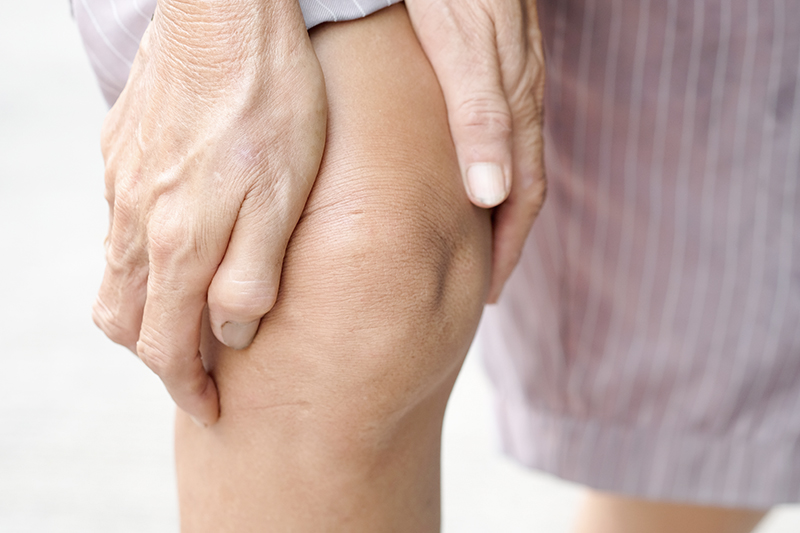
8) Senile Osteoporosis
Senile osteoporosis, also referred to as degenerative osteoporosis, occurs as a result of aging and wear and tear on the bones. The mineral composition of bone changes with advancing age. Bone matrix, the framework of the skeletal cells, becomes weaker and thinner. A person may lose height. A hump, called a dowager’s hump, may appear on the back and the ribcage may become deformed. Regular exercise and high calcium diet can help keep the bones strong. It is also recommended to consult a doctor for preventive measures.

9) Posture change
It is normal to become less upright as one ages. Our bones, muscles and joints are all part of the musculoskeletal system that defines our posture. Age has a pronounced effect on all three and over time the back tends to curve forward resulting in an increasingly stooped posture. Exercise is by far the most important factor in maintaining a younger posture because it improves the bone and muscle function that are essential in maintaining musculoskeletal health. Moreover, paying attention to erect posture and not slumping, is easier said than done. One must be mindful of proper carriage. Tandem Standing Test can be used to assess balance together with other tests in order to evaluate a patient’s posture. A specialist is also able to recommend ways to minimize the changes in posture as bones, joints and muscles are altered by age.

10) Endurance
Physical performance tends to decrease over time. Signs of lower endurance can pop up in seemingly small, everyday activities. For example, maybe you are not able to walk or run as much as you used to. Or you start to notice that activities like playing with young family members, gardening, or doing housework all feel more challenging. In order to maintain or improve endurance as you age, it is important to evaluate muscle strength, balance, and falling risks, so the doctor can recommend appropriate exercise and diet.
It is important to assess physical fitness, memory, and emotions of the elderly by a rehabilitation specialist. The doctor can recommend appropriate exercise, activities, and diet, so your loved ones will live a longer, happier life.
Reference: Dr. Tanyaporn Tansakul, a physical medicine and rehabilitation specialist, Bangkok International Hospital +662 310 3000 or 1719 (Local calls only)
- Osteoporosis International August 2000, Volume 11, Issue 7, pp 631–634 | Cite as Fracture Risk Associated with a Fall According to Type of Fall Among the Elderly H. LuukinenM. HeralaK. KoskiR. HonkanenP. LaippalaS.-L. Kivelä
- Gait Disorders in the Elderly By James O. Judge, MD, Associate Clinical Professor of Medicine, University of Connecticut School of Medicine; Senior Medical Director, Optum Complex Population Management
- D.W. Robinson and G.J. Sutton “Age effect in hearing – a comparative analysis of published threshold data.” Audiology 1979;
- Constipation in older adults Stepwise approach to keep things moving Brenda G. Schuster, PharmD ACPR FCSHP