

Rehabilitation program after injuries
Physical trauma or injury is defined as damage to the body caused by external forces e.g. accidents, hits, falls and other causes. Major trauma can potentially lead to prolonged hospitalization, impaired physical ability, loss of organs and long-term disability or even death. Not only physical impacts, but trauma can also largely disrupt mental health, social engagement and financial status. To achieve a full recovery after major trauma, a comprehensive rehabilitation remains important as the a key accelerator to increase patient’s independence and enhance physical function, allowing for a quick return to daily life and activity. A number of clinical evidence has affirmed that rehabilitation program after trauma helps minimizing complications and shortening length of hospital stay. Multidisciplinary team for rehabilitation after trauma consists of physical medicine and rehabilitation physician (known as physiatrist), physiotherapist, occupational therapist, psychologist and nurses highly specialized in trauma care and rehabilitation. Due to a wide variation in patient’s conditions, an individual evaluation and personalized rehabilitation program should be specifically designed for each patient to achieve the best possible outcomes while taking patient’s needs and relative’s concerns into account.
Rehabilitation care after injuries
Post-traumatic rehabilitation care aims to holistically restore patient’s multiple systems affected by traumatic injuries. Based upon severity and symptoms, rehabilitation care can be delivered during different phases, including:
- Rehabilitation in critical care unit
Patients in critical conditions are at greater risks of developing serious complications e.g. ventilator-associated respiratory infections that impair lung function, acquired muscle weakness due to prolonged hospitalization and deep vein thrombosis (a blood clot forms in a vein located deep inside the body). Rehabilitation goals during this critical phase are aimed at preventing these life-threatening complications and restoring patient’s independence as quick as possible. Rehabilitation program consists of:
- Chest physical therapy: Chest physical therapy or CPT is an airway clearance techniques to drain the lungs, including percussion (clapping), vibration, deep breathing, huffing and coughing in the postural drainage position. Since chest physical therapy helps eliminate secretions, it decreases work of breathing and promotes the expansion of the lungs.
- Respiratory muscle training: Respiratory muscle training aims to improve the endurance and strength of the respiratory muscles through specific exercises.
- Pain management
Apart from pain management medications, muscle pain or pain related to nervous system can be alleviated by several techniques of rehabilitation approach. These include:
- Breathing exercises and relaxation
- Electrical nerve stimulation for pain relief
- Warm or cold compress for muscle sores and muscle spasms
- Medical massage for pain relief and relaxation
- Improving bed mobility and activity of daily life training
For stabilized patients, bed mobility exercises substantially improve the functions of multiple organs and facilitate recovery process. Under close supervision of physiotherapist, bed mobility training includes:
- Upper and lower extremity exercises e.g. lifting arms and legs
- Rolling onto the side
- Moving the upper trunk off the bed
- Changing sleeping positions
- Movement enhancement
Once the patients are able to start moving, movement enhancing training inside the patient’s room should be promptly performed e.g. standing up, sitting and walking. After training, patients should be evaluated whether they could be further transferred from intensive care unit to regular wards.
- Swallowing training
To ensure that patients are able to swallow foods properly, speech and occupational therapists assess patient’s swallow function and any condition related to swallowing. Swallowing training usually involves exercises specifically aimed at improving the ability to swallow and strengthening coordination of the muscles and nerves associated with swallowing. Since neurological conditions such as stroke and extubation after mechanical ventilation as well as a long-term nasogastric tube feeding can often result in weakening muscles used for swallowing, leading to impaired an ability to swallow, these swallowing exercises are thus essential to improve the contact and coordination between the different muscles used while swallowing
- Cognitive training
Severe traumatic brain injuries or other critical illnesses comprise a heterogeneous group with varying complexity of deficits and impairments, affecting both physical and mental health. Cognitive impairments due to critical injuries are substantial sources of morbidity for affected individuals and their family members. Disturbances of cognition, understanding and memory are the most common neurocognitive consequences of critical illness at all levels of severity. After an evaluation, an individualized program for cognitive enhancement and training will be designed and conducted by occupational therapists.
Rehabilitation during recovery
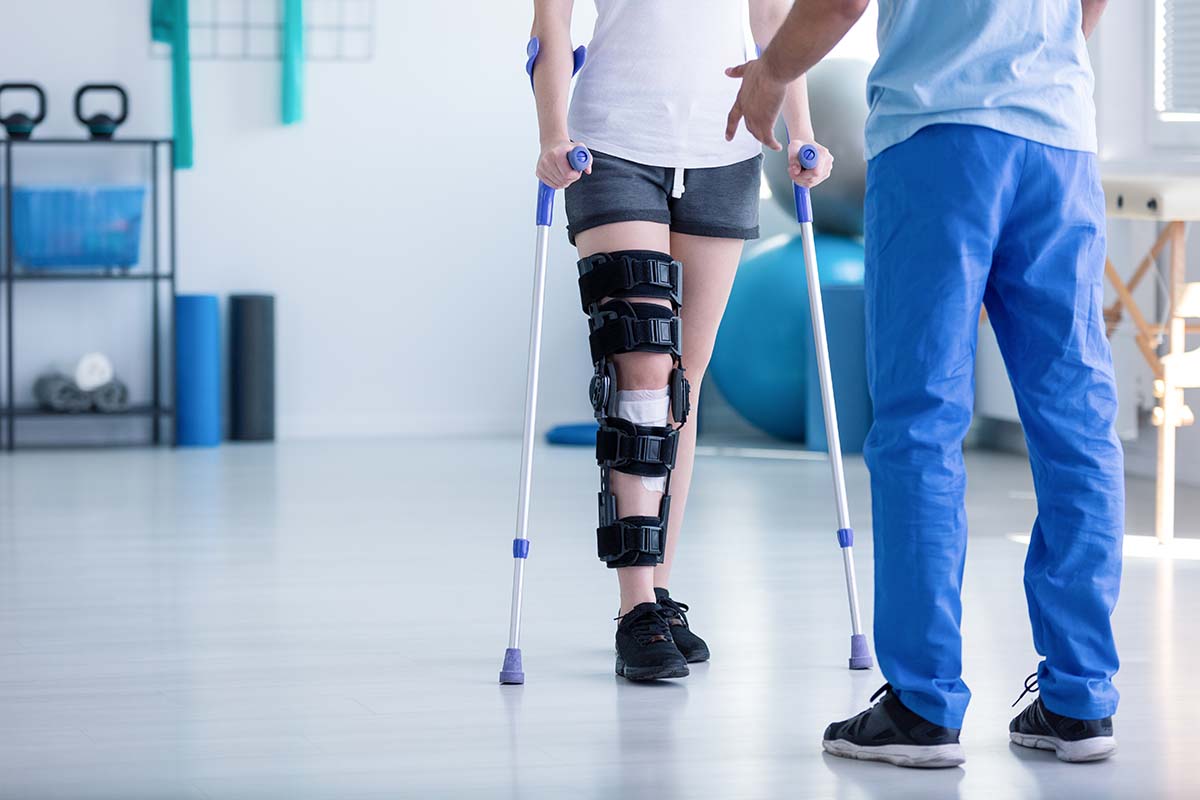
During recovery phase, patients are encouraged to exercise and conduct their daily tasks with an increased intensity. Under close supervision of physiatrists and physiotherapists, patient’s physical fitness evaluation will be monitored on daily basis. Appropriate exercises that enhance mobility e.g. walking, riding a bike and balance training should fit patient’s physical ability when planning a personalized rehabilitation program.
Discharge planning
While receiving treatment in the hospital, all necessary advices from multidisciplinary team will be given to the patients and relatives. Discharge education includes daily life instruction, lifestyle modification, nutritional suggestion and environmental adjustment before returning home.
Ergonomic design at home
Following critical conditions e.g. stroke, some of patient’s abilities are often compromised, therefore ergonomic adjustments at home are important aiming at regaining independence and facilitating daily life while enhancing performance and quality of life. Home ergonomics involves housing and apparatus rearrangement e.g. ensuring sufficient lighting, appropriate stairs or slopes and slip-resistant flooring for fall prevention.