How Is an ECG Done?
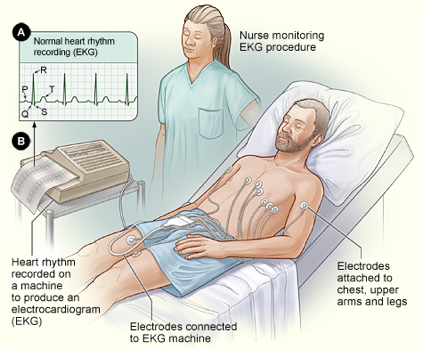
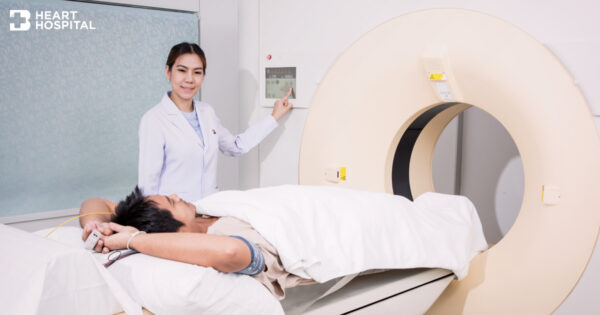
This is a painless procedure. The patient is asked to lie down, and a series of small metal tabs (called electrodes) are fixed to the skin with sticky papers. These electrodes are placed in a standard pattern on the shoulders, the chest, the wrists, and the ankles. After the electrodes are in place, the person is asked to hold still while the heartbeats are recorded for a short period of time.
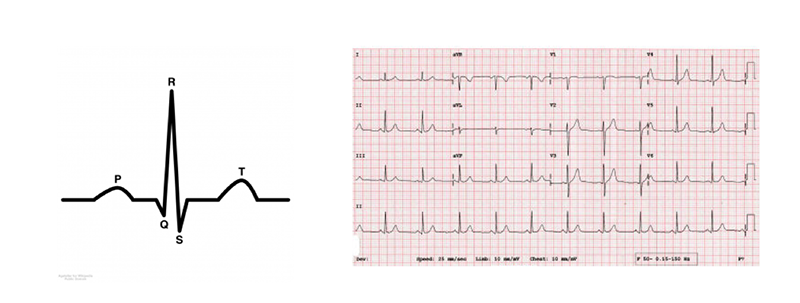
An ECG records the heart’s electrical activity, while it travels through the heart, on a moving strip of paper or a line on a screen. The graph consists of multiple waves, which reflect the electrical activity of the heart. There are 3 basic waves which are the P wave of the upper chambers activity, the QRS Complex of the lower chambers activity and the T wave which is the electrical recovery of the lower chambers. The ST segment usually appears as a straight line between the QRS complex and the T wave.