
Coronary artery disease
Coronary artery disease (CAD) is the narrowing of the coronary arteries (the blood vessels that supply oxygen and nutrients to the heart muscle), caused by a buildup of fatty material within the walls of the arteries. This process causes the inside of the arteries to become narrowed, limiting the supply of oxygen-rich blood to the heart muscle. To better understand how coronary artery disease affects the heart, a review of basic heart anatomy and function is helpful.
The heart is basically a pump. The heart is made up of specialized muscle tissue, called the myocardium. The heart’s primary function is to pump blood throughout the body, so that the body’s tissues can receive oxygen and nutrients. Like any pump, the heart requires fuel in order to work. The myocardium requires oxygen and nutrients, just like any other tissue in the body. The blood that passes through the heart’s chambers is only passing through on its trip to the rest of the body. This blood does not give oxygen and nutrients to the myocardium. The myocardium receives its oxygen and nutrients from the coronary arteries, which lie on the outside of the heart.

Why do I need this test?
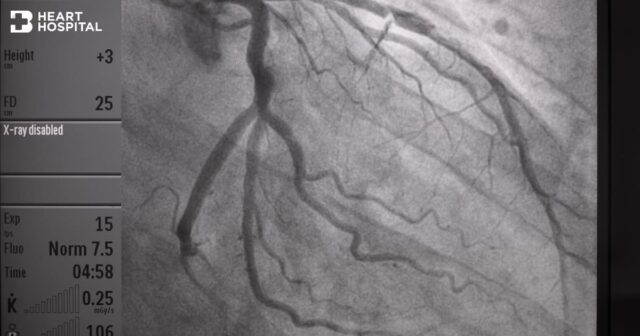
A coronary angiogram is a special X-ray test. It’s done to find out if your coronary arteries are narrowed or blocked, where and by how much. An angiogram can help your doctor see if you need treatment such as angioplasty or stent, coronary artery bypass surgery (CABG) or medical therapy.
Indication
- Symptoms of coronary artery disease, such as chest pain (angina).
- Pain in your chest, jaw, neck or arm that can’t be explained by other tests
- New or increasing chest pain (unstable angina).
- Heart failure.
- Other blood vessel problems or a chest injury.
- A heart valve problem that requires surgery.
- You may also need an angiogram if you’re going to have surgery unrelated to your heart, but you’re at high risk of having a heart problem during that surgery.
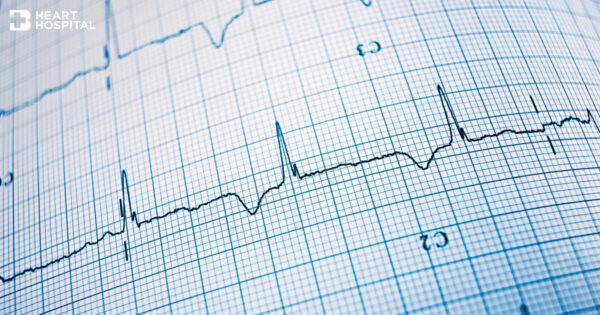
Because there’s a small risk of complications, angiograms are usually done after noninvasive heart tests have been performed, such as an electrocardiogram, an echocardiogram or a stress test.
Risks
As with most procedures done on your heart and blood vessels, a coronary angiogram has some risks. Major complications are rare, though. Potential risks and complications include:
- Heart attack
- Stroke
- Injury to the catheterized artery
- Irregular heart rhythms (arrhythmias)
- Allergic reactions to the dye or medications used during the procedure
- Damage to your heart or artery
- Cardiac tamponade
- Kidney damage from dye
- Excessive bleeding
- Infection
- Bruise around the catheter insertion site of varying size.
- Radiation exposure from the X-rays
In some cases, coronary angiograms are performed on an emergency basis. More commonly, though, they’re scheduled in advance, giving you time to prepare.
Preparation
Angiograms are performed in the catheterization (cath) lab of a hospital
For scheduled outpatient:
Usually you go to the hospital the morning of the procedure. Your health care team will give you specific instructions and talk to you about any medications you take.
- If the angiogram is scheduled in the morning, don’t eat or drink anything after midnight the day before your angiogram. Take all your medications to the hospital with you in their original bottles. Ask your doctor about whether or not to take your usual morning medications. If you have diabetes, ask your doctor if you should take insulin or other oral medications before your angiogram.
- For other time of the day schedule or non-elective case, your healthcare team will give the direction.
- Your doctor should know if you are allergic to seafood, or if you have had a bad reaction to contrast material in the past.
How long is the procedure?
Having an angiogram takes about one hour or less, although it may be longer, especially if combined with other heart catheter procedures. Preparation and post-procedure care can add more time.
Result and recommendation
An angiogram can show doctors what’s wrong with your blood vessels. It can:
- Show how many of your coronary arteries are blocked or narrowed by fatty plaques (atherosclerosis)
- Pinpoint where blockages are located in your blood vessels.
- Show how much blood flow is blocked through your blood vessels.
- Check the results of previous coronary bypass surgery.
- Check the blood flow through your heart and blood vessels.
- It’s also possible that angioplasty or stenting could be done during your angiogram to avoid needing another procedure (Angioplasty to help unblock clogged arteries).
Knowing this information can help your doctor determine what treatment is best for you and how much danger your heart condition poses to your health. Based on your results, your doctor may decide, for instance, that you would benefit from having coronary.