
Age related, or degenerative valvular heart disease, represents the most common etiology of aortic stenosis in the elderly population. It occurs when the heart’s aortic valve narrows. This narrowing prevents the valve from opening fully, which reduces or blocks blood flow from your heart into the main artery to your body and onward to the rest of your body. When the blood flow through the aortic valve is reduced or blocked, your heart needs to work harder to pump blood to your body. Once severe obstruction has developed, death occurs within 3 years unless the aortic valve is replaced.
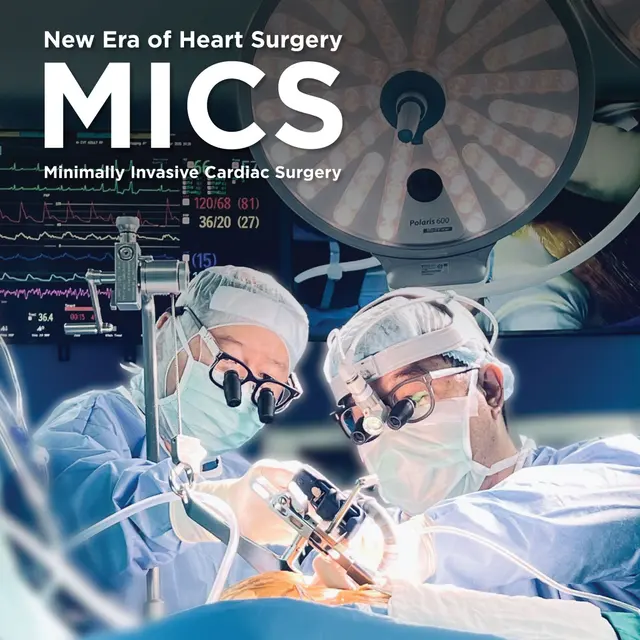
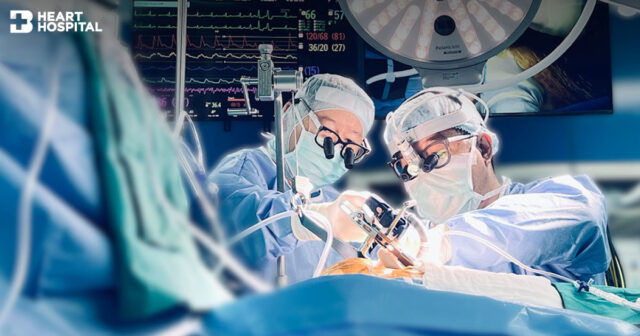
For people with aortic valve problems, the usual treatment is open heart valve surgery. However, for people who are too ill or who are suffering from other medical conditions such as diabetes and hypertension, open heart surgery may be considered too risky. Transcatheter aortic valve implantation (TAVI) is a procedure that allows an aortic valve to be implanted using a long narrow tube called a catheter. This new surgical technique is less invasive, offers reduced recovery time, and reduced post-operative complications.
Signs and symptoms
- Fatigue, especially during times of increased activity
- Feeling faint or dizzy
- Feel too weak to carry out your normal daily activities
Transcatheter Aortic Valve Implantation (TAVI)
Transcatheter Aortic Valve Implantation (TAVI) is a less invasive procedure to replace a narrowed aortic valve. The procedure is performed using one of the two different approaches:
(1) entering through the femoral artery (large artery in the groin), called the transfemoral approach, or
(2) using a minimally invasive surgical approach with a small incision in the chest and entering through a large artery in the chest or through the tip of the left ventricle (the apex), which is known as the transapical approach.
During the procedure, doctors insert a catheter in your leg or chest and guide it to your heart. A replacement valve is then inserted through the catheter and guided to your heart. A balloon may expand the valve, or some valves can self-expand. When the valve is implanted, doctors remove the catheter from your blood vessel.
Advantages of TAVI
- Less invasive than open heart surgery, less blood loss
- Reduced risks and complications
- Reduced mortality
- Less pain
- Reduced recovery time
- Improves patient’s quality of life
 Hybrid operating room (Hybrid OR)
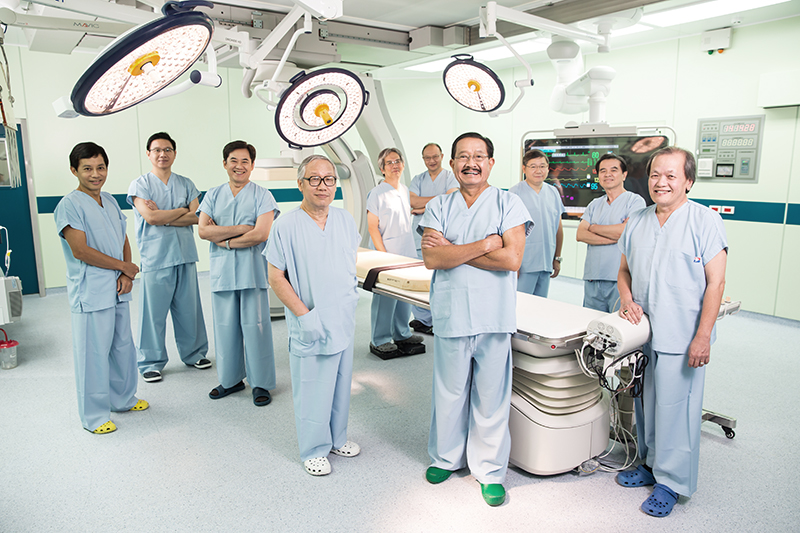
Designed to facilitate the most advanced cardiovascular procedures, Bangkok hospital’s hybrid operating room (Hybrid OR) combines state-of-the-art surgical technologies with the most cutting-edge imaging capabilities in one location. A hybrid OR brings together advanced surgical facilities with the resources of a cardiac catheterization lab and expanded imaging capabilities. The combined facilities of a hybrid OR provide doctors with the ability to perform interventional and surgical procedures at the same time.
At its core a hybrid OR combines advanced imaging capability with a fully functioning operating suite. The operating table can be fully adjusted with 360 degree rotation to achieve optimal positioning. Optimal imaging technique, Flex Move Heart Navigator, provides high-resolution images, allowing surgeons to perform intricate procedures with extreme precision in less time. A major advantage of the hybrid OR is that the combined resources and expertise allows more rapid and tailored responses to unexpected complications. This can speed up surgical processes and improve patient safety.
It is important to have an annual check-up especially for the elderly. Aortic valve stenosis can range from mild to severe. Aortic valve stenosis signs and symptoms generally develop when narrowing of the valve is severe. Some people with aortic valve stenosis may not experience symptoms for many years. With the new surgical technique, it is possible for the elderly to have an aortic valve replacement without open heart surgery.