
Lower chest pain is symptoms that understandably worry many people. Most immediately think about lung problems, or even some of gastrointestinal disorders. However, there is another condition that is far less known but can cause significant pain and disability: Slipping Rib Syndrome (SRS).
What is Slipping Rib Syndrome?
Slipping Rib Syndrome is a painful condition caused by abnormal movement of the lower rib(s). Although it is not life-threatening, it is frequently misunderstood, underdiagnosed, and often mistaken for other medical conditions. Many patients spend months or even years searching for answers before receiving the correct diagnosis.
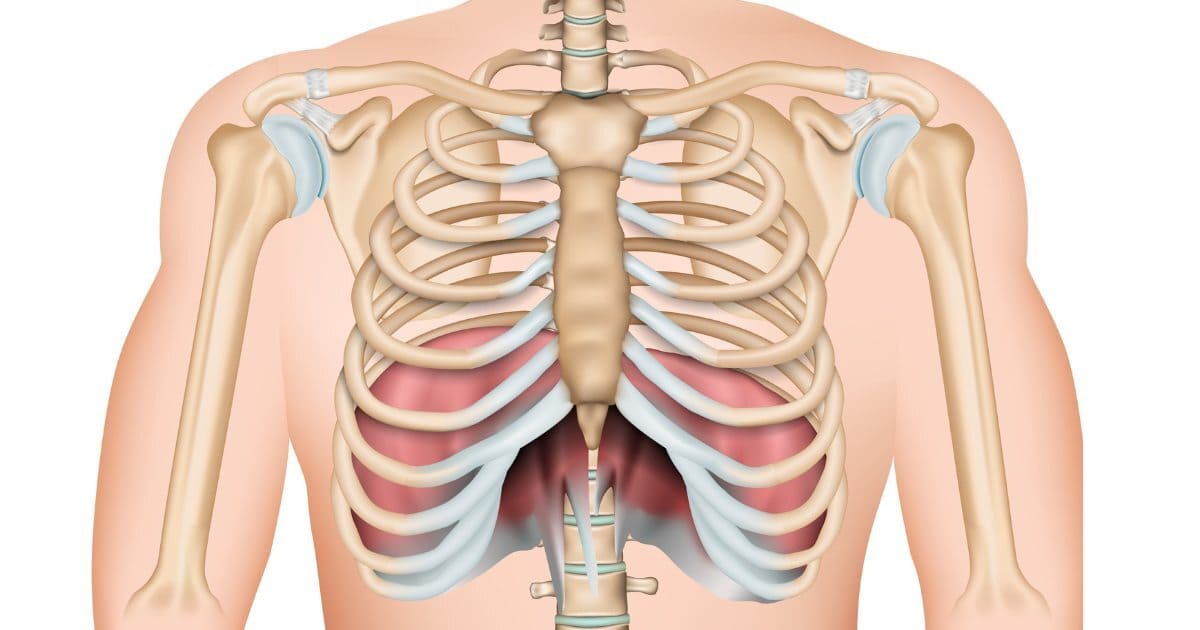
Slipping Rib Syndrome occurs when one or more of the lower ribs (usually the 8th, 9th, or 10th ribs) become abnormally mobile from various causes. These ribs are do not attach directly to the breast bone. Instead, they are connected through fibrous and cartilaginous tissues. When these tissues weaken or become disrupted, the affected rib may partially slip beneath or over the adjacent rib. This hypermobile movement can cause visible or palpable deformity along the lower rib margin. It can also irritate or compress the nearby intercostal nerves, causing pain, clicking sensations, and inflammation.
Although it is not dangerous, it can become significantly disruptive and affect quality of life if symptoms persist untreated. It may also lead to loss of self-confidence, body image concerns, discomfort when wearing fitted clothing, and anxiety during social or physical activities.
How does it happen?
- Direct trauma to the chest wall
- Repetitive twisting or lifting movements which stress on the rib cage
- Sports injuries
- Repeated coughing or forceful respiratory movements
- Following cosmetic surgery, e.g. rhinoplasty using costal cartilage
- Hypermobile joints, degenerative weakening of cartilage, connective tissue disorders
What are the symptoms?
- Uneven/deformed of the rib cage without pain
- Feeling as though “something is moving” inside the rib cage
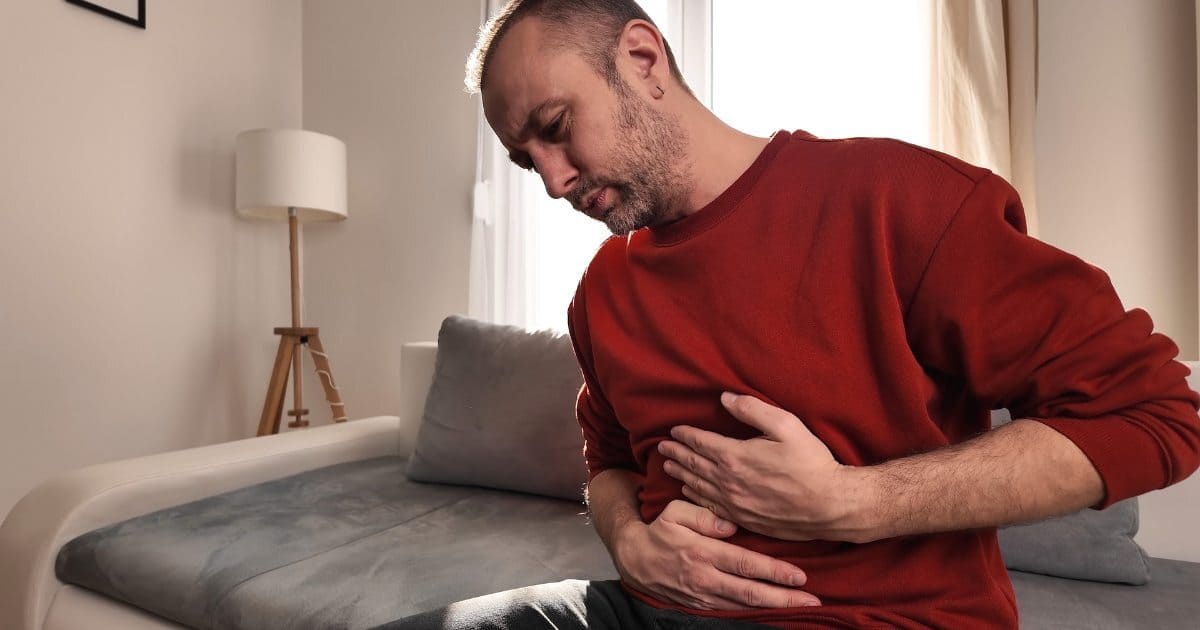
- Intermittent sharp, stabbing, or shooting pain in the lower chest or upper abdomen
- Pain that worsens with twisting, coughing, sneezing, deep breathing, or squatting
- Pain radiating to the back or abdomen
- Clicking, popping, or slipping sensations
- Tenderness along the lower rib margin
Why is diagnosis so difficult?
Slipping Rib Syndrome is often called an “elusive diagnosis” because its symptoms mimic many other conditions. Patients are frequently investigated for costochondritis, muscle strain, gastrointestinal disorders, cardiac disease, or even anxiety-related pain. Studies show that many patients see multiple physicians and undergo extensive testing before diagnosis.
How is it diagnosed?
Diagnosis primarily depends on careful clinical examination.
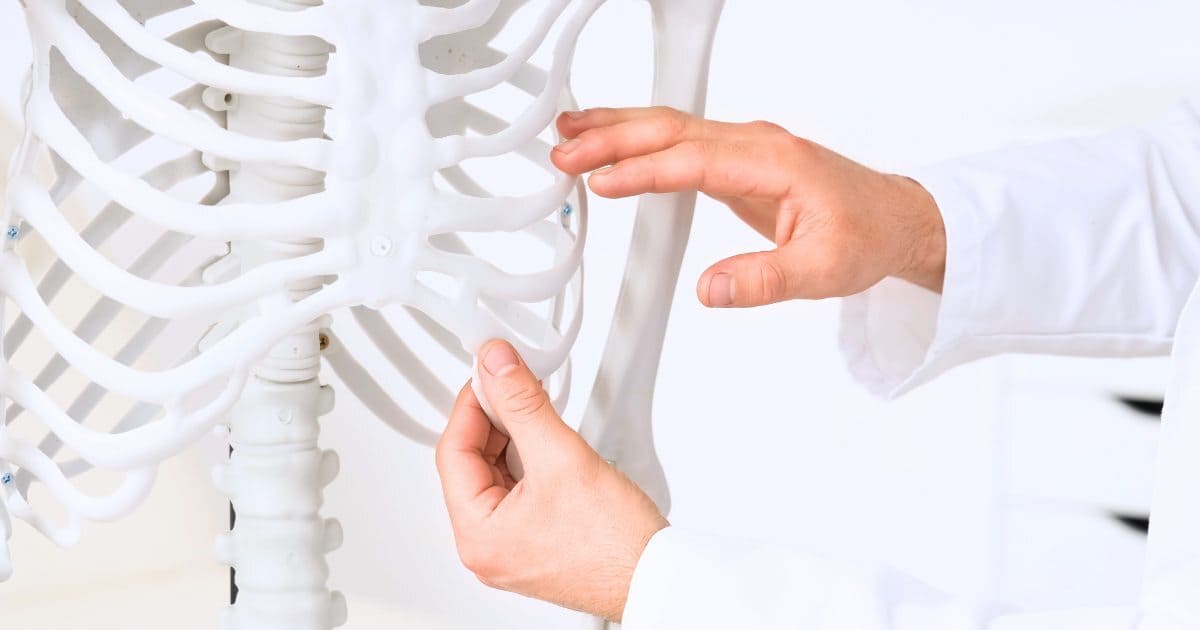
Clinician may hook their fingers beneath the lower rib margin and gently lifts upward (Hooking maneuver). If this reproduces pain or clicking, it may suggest Slipping Rib Syndrome.
Imaging has become useful diagnostic tools for SRS. Real-time ultrasound performed during movement can show the rib slipping. Computed tomography (CT) scan with bone and cartilage reconstruction of the chest is also beneficial to see anatomy of the chest bones.
Treatment options
Usually, doctors recommend waiting about six months after the initial injury to see whether symptoms improve with conservative treatment before considering surgery. During this period, many patients are treated with
- Rest and activity modification
- Physical therapy
- Ice, heat, or sound wave therapy
- Anti-inflammatory and pain medications
- Intercostal nerve blocks using local anesthetic or cryo-analgesia

Why Is Surgery Needed for Slipping Rib Syndrome (SRS)?
Some patients improve gradually as inflammation settles and the rib cage stabilizes naturally. However, if significant pain, clicking, or functional limitation persists beyond several months despite non-surgical management, further evaluation for surgical treatment may be appropriate for long-term relief.
Surgical treatment depends on the patient’s symptoms, anatomical problem, and whether there is evidence of intercostal nerve irritation.
1) Patients with rib non-union, deformity, or chest wall instability without nerve impingement: the main goal of surgery is to restore the normal alignment and stability of the rib cage.
The surgical approach may involve realignment or reconstruction of the rib and costal cartilage using suture repair, absorbable mesh, or other stabilizing materials. In selected cases, stabilization of the affected rib or excision of unstable cartilage may be performed to correct the deformity and improve chest wall mechanics.
2) Patients with symptoms of intercostal nerve impingement: the main surgical goal is to decompress the affected nerve and prevent repeated irritation.
This may be achieved by expanding the intercostal space and widening the gap between the involved ribs, thereby preventing the ribs from compressing or “pinching” the intercostal nerve.
Rib stabilization is to be performed using small biocompatible plates, commonly titanium plates, to secure the slipping rib to adjacent stable ribs. This helps prevent abnormal rib movement, reduces the slipping motion that causes pain, improves structural stability, and may lower the risk of recurrence compared with simple reconstruction and suture alone. In some cases, rib plating may be combined with suture repair to provide additional stabilization and restore more predictable chest wall function during recovery.
Persistent pain with no apparent cause can be both distressing and disruptive to everyday life. An evaluation by an experienced specialist can help identify the underlying condition and ensure an accurate diagnosis with appropriate treatment. With timely and personalized care, symptoms can be effectively relieved, allowing patients to regain comfort, restore confidence, and enjoy a better quality of life.
References
- Gress K, Charipova K, Kassem H, Berger AA, Cornett EM, Hasoon J, Schwartz R, Kaye AD, Viswanath O, Urits I. A Comprehensive Review of Slipping Rib Syndrome: Treatment and Management. Psychopharmacol Bull. 2020 Oct 15;50(4 Suppl 1):189-196. doi: 10.64719/pb.4389. PMID: 33633425; PMCID: PMC7901126.
- Madeka I, Alaparthi S, Moreta M, Peterson S, Mojica JJ, Roedl J, Okusanya O. A Review of Slipping Rib Syndrome: Diagnostic and Treatment Updates to a Rare and Challenging Problem. J Clin Med. 2023 Dec 14;12(24):7671. doi: 10.3390/jcm12247671. PMID: 38137739; PMCID: PMC10743651.
- Turcios NL. Slipping Rib Syndrome: An elusive diagnosis. Paediatr Respir Rev. 2017 Mar;22:44-46. doi: 10.1016/j.prrv.2016.05.003. Epub 2016 May 12. PMID: 27245407.
- Fares MY, Dimassi Z, Baydoun H, Musharrafieh U. Slipping Rib Syndrome: Solving the Mystery of the Shooting Pain. Am J Med Sci. 2019 Feb;357(2):168-173. doi: 10.1016/j.amjms.2018.10.007. Epub 2018 Oct 23. PMID: 30509726.
Hospital Specialized in the Treatment of Slipping Rib Syndrome
Bangkok Heart Hospital is dedicated to providing specialized care for patients with Slipping Rib Syndrome (SRS). Our team of experienced specialists and multidisciplinary healthcare professionals work collaboratively to diagnose and manage this often underrecognized condition. Through comprehensive clinical assessment, meticulous physical examination, advanced diagnostic imaging, and individualized treatment planning, we deliver precise, patient-centered care. Our goal is to relieve pain, restore mobility, and empower patients to return to their daily lives with renewed confidence and an improved quality of life.
Expert Physicians in the Treatment of Slipping Rib Syndrome
Dr. Padungkiat Tangpiroontham Thoracic Surgery Bangkok Heart Hospital
You can click here to make an appointment yourself