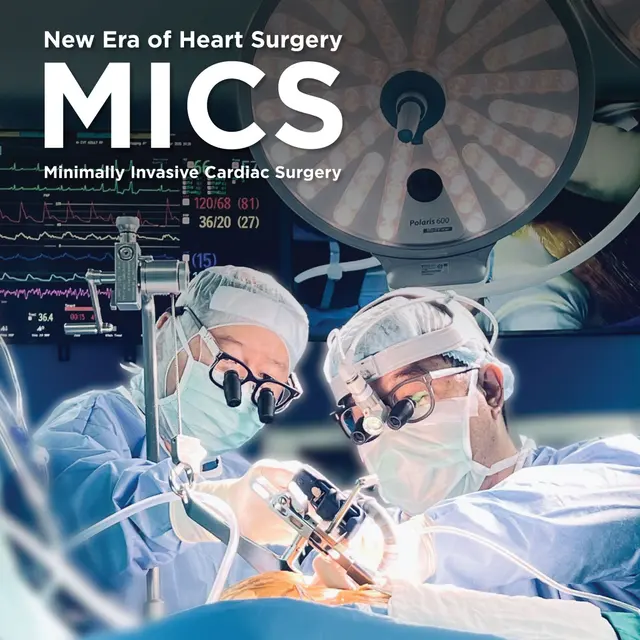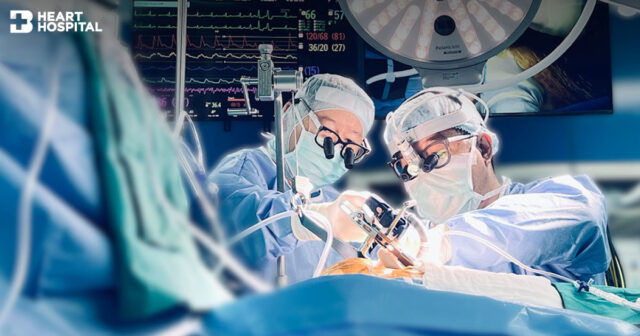



Heart tumors are a rare heart abnormality but require urgent treatment because if left untreated, they may be more severe than expected. Currently, they can be treated with a minimally invasive cardiac tumor removal surgery using a totally 3D endoscopic technique without opening the breastbone, which helps reduce complications, minimizes pain, speeds up recovery, and is highly effective, allowing patients to regain a good quality of life.
What is a heart tumor?
Heart Tumor (Cardiac Tumor) is a disease caused by the abnormal growth of heart tissue cells. Although not common, it can be found in people of all genders and ages. It is classified into benign and malignant tumors. Regardless of the type, it can be severely dangerous in the future, so treatment by a cardiology specialist should be sought immediately.
How many types of heart tumors are there?
Heart tumors are classified into 2 types:
- Benign Heart Tumor (Benign Tumor) is a tumor that grows non-cancerous cells and does not spread. The most common is a heart tumor called Myxoma located in the left atrium, which needs to be treated as soon as possible.
- Malignant Heart Tumor (Malignant Tumor) is a tumor that grows cancer cells and spreads to other parts of the body.
What are the symptoms of a heart tumor?
- Easily fatigued
- Chronic mild fever
- Weight loss
- Shortness of breath
- Chest pain
- Palpitations
- Arrhythmia with symptoms of thrombosis in various organs such as leg thrombosis causing leg pain, coldness, or cyanosis from lack of blood. If blocked in brain vessels, it can cause paralysis or stroke symptoms, such as weakness and facial drooping.

What is Myxoma heart tumor?
Myxoma Heart Tumor is the most common benign heart tumor found in the left atrium of the heart. It arises from abnormalities in connective tissue. Myxoma in the heart appears as a soft mass that can vary in size and shape, from a few millimeters to several centimeters.
How dangerous is Myxoma heart tumor?
Although Myxoma heart tumors are not malignant, they can be dangerous to the body in the following ways:
- Obstruction of blood flow in the heart
- Blood regurgitation similar to valve stenosis or regurgitation
- Risk of thrombosis, stroke, paralysis
- Arrhythmia
- Heart failure
If not properly diagnosed and removed, there is a high chance of recurrent thrombosis.

How is a heart tumor diagnosed?
Heart tumor diagnosis is done through history taking, blood tests, and additional examinations as recommended by a cardiology specialist, such as:
- Echocardiogram (Echocardiogram) to show the functioning of the heart, heart muscle, valves, and blood flow through the heart.
- High-speed CT Scan (CT Scan) to diagnose heart and vascular diseases through high-resolution 3D imaging.
- MRI of the Heart (MRI Heart) to diagnose the heart chambers, valves, and blood flow in the heart, allowing cardiologists to see clear images and make accurate diagnoses.
- Electrocardiogram (EKG) to check the heart rhythm and identify any abnormal heart function, ischemia, arrhythmias, or enlarged heart muscle.
How is a heart tumor treated?
The effective treatment for a heart tumor is surgical removal to prevent complications and reduce the chance of recurrence. Several techniques are currently available:
- Open-Heart Surgery (Open – Heart Surgery) The cardiac surgeon stops the heart during surgery using a heart-lung machine to take over the functions of the heart and lungs.
- Minimally Invasive 3D Endoscopic Surgery (3D Endoscopic Surgery) is a form of Minimally Invasive Cardiac Surgery (MICS) that doesn’t require cutting the sternum, resulting in smaller incisions, less pain, faster recovery, and reduced complications compared to open surgery.
Minimally Invasive 3D Endoscopic Cardiac Tumor Removal
Minimally Invasive 3D Endoscopic Cardiac Tumor Removal is a surgery using a high-resolution 3D endoscope combined with specialized instruments inserted through a small incision on the right chest under the breast, without cutting open the sternum. Surgeons can view the heart in a 3D realistic perspective, allowing for clearer and more comprehensive visualization of the heart’s internal details, facilitating the accurate assessment of the tumor’s position and size, reducing surrounding tissue damage, minimizing side effects, and enhancing surgical precision, compared to traditional 2D camera views.

Advantages of Totally 3D Endoscopic Cardiac Tumor Removal
The advantages of Totally 3D Endoscopic Cardiac Tumor Removal include:
- Smaller incision: The incision is about 3 – 5 cm.
- Less pain: Minimizes muscle and sternum trauma as it avoids open-chest surgery, reducing blood loss.
- Reduced complications: Such as infections, collapsed lung, and muscle atrophy because it does not involve cutting open the sternum.
- Faster recovery: Patients can walk quickly, often sitting up and starting to walk within 24 – 48 hours after surgery. After 1 – 2 weeks, they can start light activities like walking or cycling, and after 4 – 6 weeks, they can return to normal activities or exercise.
- Shorter hospital stay: Only 5 – 7 days before discharge, depending on physical condition and comorbidities, allowing a quicker return to daily life.
How to care after heart tumor surgery?
- Follow cardiology specialists’ advice strictly for safety and faster recovery.
- Begin moving the body with walking or light activities to stimulate blood circulation.
- Avoid strenuous activities, such as heavy lifting or vigorous exercise, during the first 4 – 6 weeks.
- Take prescribed medications continuously and attend all follow-up appointments.

Why choose Bangkok Heart Hospital for heart tumor surgery?
- The first private hospital in Thailand specializing in heart disease.
- Experienced cardiac and thoracic surgeon team specialized in minimally invasive heart surgery.
- Modern technology for 3D minimally invasive heart surgery and diagnosis.
- A personalized heart disease treatment plan designed by a cardiology team.
- Internationally recognized treatment standards and outcomes.
The hospital specializing in 3D minimally invasive endoscopic cardiac tumor surgery
Bangkok Heart Hospital is ready to treat heart tumors using 3D minimally invasive endoscopic cardiac tumor removal technique by skilled doctors with the latest technology, which not only reduces side effects and speeds recovery but also showcases the hospital’s true expertise and advancement in heart treatment because we believe “your heart deserves the best care”.
Doctors specializing in Totally 3D Endoscopic Cardiac Tumor Removal
Dr..Paradorn Jetwanna, Cardiac and Thoracic Surgeon, with expertise in Minimally Invasive Valve Surgery at Bangkok Heart Hospital.
Assoc. Prof. Dr..Permyos Ruengsakulrach, Cardiac and Thoracic Surgeon, performing Minimally Invasive Cardiac Surgery CABG and Minimally Invasive Valve Surgery, using Off-Pump Coronary Artery Bypass technique at Bangkok Heart Hospital.
Heart Catheterization and Surgery Packages
Click here https://www.bangkokhearthospital.com/package/heart-catheterization-surgery