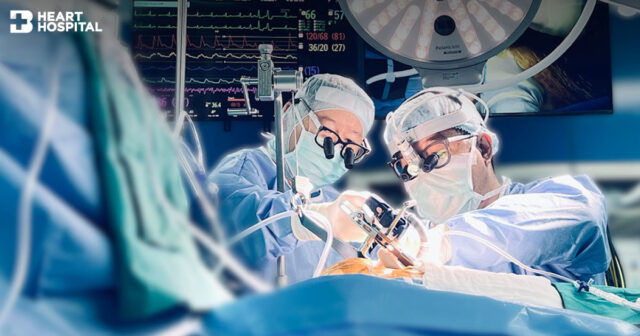



When heart valves leak and narrow, prompt treatment can reduce the severity of the condition, especially with minimally invasive valve repair or replacement surgery using 3D endoscopy (Totally 3D Endoscopic Valve Surgery). This technique effectively treats abnormal heart valves, resulting in smaller wounds, less pain, faster recovery, and reducing complications and side effects from surgery.
What are Leaky and Stenotic Heart Valves?
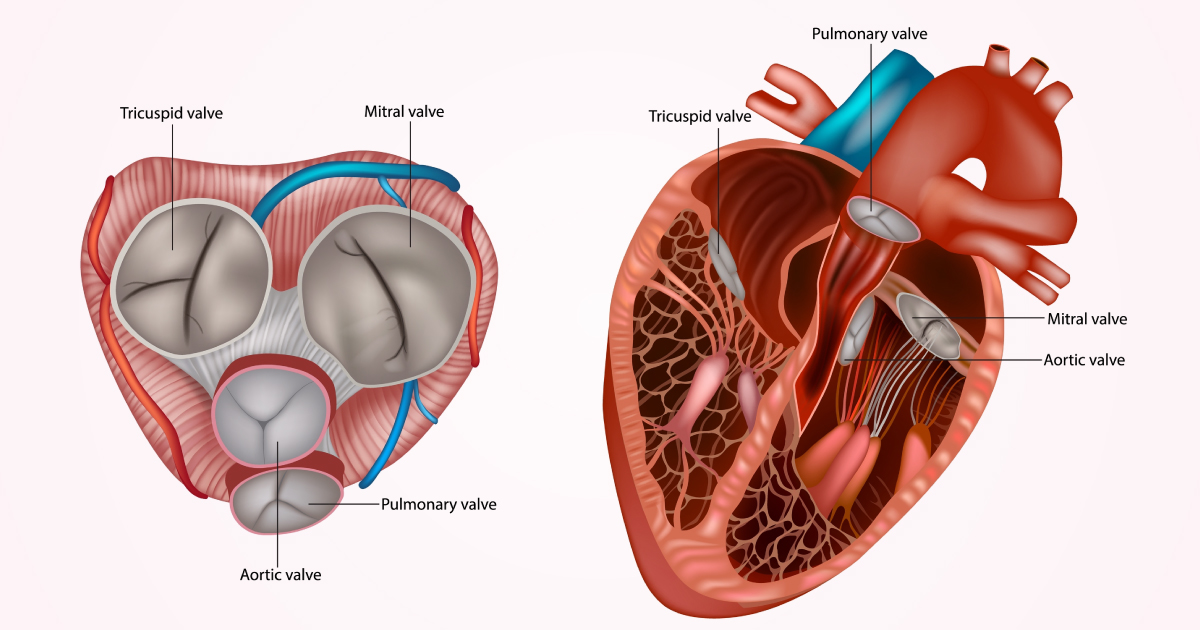
The heart valves control the blood flow within the four chambers of the heart, ensuring it flows in the correct direction. The valves include the mitral valve, aortic valve, tricuspid valve, and pulmonic valve. If a valve leaks, it doesn’t close tightly, causing blood to flow backward when the heart pumps forward, which might lead to heart failure in severe cases. On the other hand, if a valve is stenotic or obstructed, it doesn’t open fully, making it difficult for blood to pass through, which can cause arrhythmias, increase the risk of stroke, and even lead to heart failure or death.
Why Do Heart Valves Leak and Become Stenotic?
- Congenital valve abnormalities
- Hereditary diseases
- Infections, such as rheumatic fever
- Connective tissue disorders
- Aging-related valve degeneration
How to Diagnose Leaky and Stenotic Heart Valves?
Heart valve diagnosis: Before undergoing minimally invasive valve repair or replacement surgery using 3D endoscopy, a cardiologist will assess the patient’s medical history, symptoms, duration, any existing health conditions, and their impact on daily life, along with further cardiac examinations, including:
- Echocardiogram to evaluate heart function, valve function, and heart muscle movement.
- Electrocardiogram (ECG/EKG) to check the heart rate and rhythm, and diagnose valve leakage or arrhythmias.
- CT Scan in some cases to assess heart structure, coronary vessels, heart muscle, and check for valve leakage, stenosis, or prolapse.
How Dangerous Are Leaky and Stenotic Heart Valves?
In mild cases of valve leakage, there might be no symptoms or only minor ones, allowing a normal lifestyle. Annual heart health checkups are recommended. In severe cases, where valve leakage causes heart enlargement, weakened heart muscles, and arrhythmias leading to heart failure, surgery should be performed as soon as possible.
For mild valve stenosis, there may be no symptoms and a normal lifestyle can be maintained, with annual Echocardiograms recommended. In severe stenosis cases, atrial fibrillation (AF) may occur, increasing the risk of a potentially lethal stroke, requiring immediate surgery. Importantly, if both leakage and stenosis occur simultaneously, which is possible, valve replacement surgery should not be delayed. Regular self-monitoring and heart health checkups are therefore crucial.
What is Minimally Invasive Valve Repair or Replacement Surgery Using 3D Endoscopy?
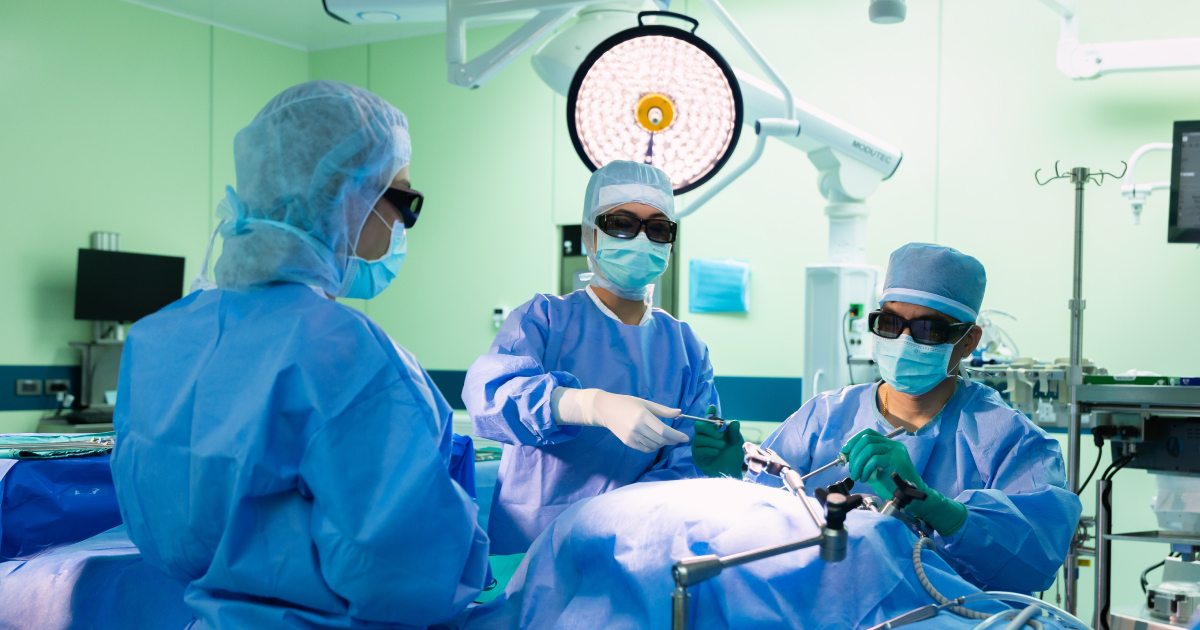
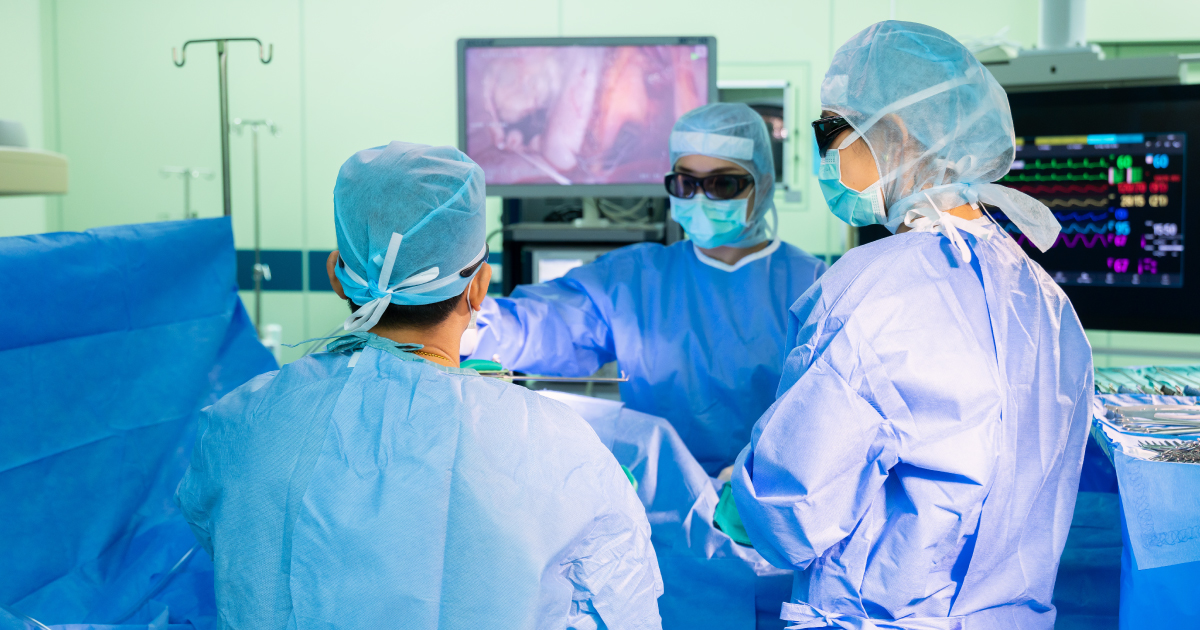
Minimally invasive valve repair or replacement surgery using 3D endoscopy (Totally 3D Endoscopic Valve Surgery) is performed through a small incision, 4-5 cm in size, on the right side of the chest under the breast, using a high-definition 3D endoscopic camera and special instruments. This technique avoids opening the sternum, resulting in a minimal and aesthetically pleasing scar with less pain and faster recovery, while reducing surgical complications.
The use of 3D endoscopic surgery allows surgeons to clearly see heart valves and organs within the thoracic cavity, providing a wider view with increased precision, clarity, and depth, especially for small, complex valves and blood vessels, or those in hard-to-reach locations when viewed with the naked eye. This reduces the risk of organ damage, enabling quicker and more efficient valve repairs or replacements.
Surgeons generally prefer valve repair over replacement for preserving valve function and heart performance, depending on the patient’s symptoms and condition severity.
Steps of Minimally Invasive Valve Repair or Replacement Surgery Using 3D Endoscopy
- The patient undergoes a thorough physical examination and is evaluated by a cardiothoracic surgeon for suitability for minimally invasive valve repair or replacement surgery using 3D endoscopy.
- The patient is given general anesthesia and evaluated using an echocardiogram to assess valve and heart function.
- The surgeon performs the procedure through a small 4-5 cm incision on the right side of the chest, using a 3D endoscopic camera and inserting a heart-lung machine through a small incision in the groin to support heart function temporarily, allowing valve repair, replacement, or repair of a heart wall defect.
- After surgery, the heart function normalizes, the heart-lung machine is removed, and the surgeon closes the chest incision. The patient is then cared for in the cardiac care unit (CCU/ICCU) for recovery.
Patients Suitable for Minimally Invasive Valve Repair or Replacement Surgery Using 3D Endoscopy
- Patients with mitral valve disorders (Mitral Valve Regurgitation / Stenosis)
- Patients with tricuspid valve disorders (Tricuspid Valve Regurgitation)
- Patients with aortic valve disorders (Aortic Stenosis / Regurgitation)
Advantages of Minimally Invasive Valve Repair or Replacement Surgery Using 3D Endoscopy
|
Traditional Open Heart Valve Surgery |
Minimally Invasive Valve Repair or Replacement Surgery Using 3D Endoscopy |
|
|
|
|
|
|
|
|
|
|
|
|
Post-Surgery Care for Minimally Invasive Valve Repair or Replacement Surgery Using 3D Endoscopy
- Generally, patients recover quickly due to the small incision without sternum cutting. Patients can start light exercise after discharge and gradually increase their activity based on their physical condition, returning to normal activities within 2 weeks post-surgery.
- Take care of the surgical wound and keep it clean to prevent infection. Patients can shower after discharge, and wounds can get wet following medical advice.
- Stitches can be removed after 10 – 14 days, or as advised by a doctor.
- Take medication as prescribed by the doctor.
- Avoid heavy lifting or intense exercise for 8 – 12 weeks.
- Get enough rest and manage stress properly.
- Eat a healthy diet, avoiding excessive sugar, salt, fat, and spicy foods.
- Avoid smoking and alcohol consumption.
- Attend scheduled heart health checkups.

Why Choose Minimally Invasive Valve Repair or Replacement Surgery Using 3D Endoscopy at Bangkok Heart Hospital?
- The first private specialty heart hospital in Thailand
- An experienced team of cardiothoracic surgeons for minimally invasive valve repair or replacement surgery using 3D endoscopy
- Cutting-edge diagnostic and surgical technology for minimally invasive valve repair or replacement using 3D endoscopy
- Personalized heart disease treatment planning and design with internationally recognized standards and outcomes
Hospital Specializing in Minimally Invasive Valve Repair or Replacement Surgery Using 3D Endoscopy
Bangkok Heart Hospital is ready to care for valve disease patients, whether it be valve stenosis, leakage, or prolapse, using minimally invasive valve repair or replacement surgery using 3D endoscopy (Totally 3D Endoscopic Valve Surgery), with small wounds, less pain, fast recovery, short recovery period, and reduced risk of complications from open-heart surgery, under the care of an experienced specialized cardiology team, helping you regain a quality life with confidence.
Surgeons Specialized in Minimally Invasive Valve Repair or Replacement Surgery Using 3D Endoscopy
- Dr. Paradorn Jetwanna – Cardiovascular and Thoracic Surgeon, specializing in minimally invasive valve surgery at Bangkok Heart Hospital
- Dr. Permyos Ruengsakulrach – Cardiac, Vascular, and Thoracic Surgeon, specializing in minimally invasive cardiac surgery CABG and minimally invasive valve surgery, performing off-pump coronary artery bypass surgery at Bangkok Heart Hospital