
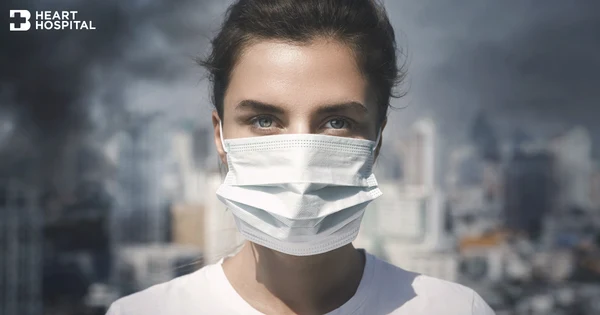

Many may already know that cigarette smoke is a risk factor for lung cancer, but it’s not just cigarette smoke. Air pollution such as PM2.5 dust and incense smoke can also harm and damage the lungs. Therefore, it should not be overlooked and should be correctly understood
Smoke and Dust Harm the Lungs
Risk factors for lung cancer caused by smoke and dust include
- Cigarettes The more you smoke, the higher the risk. The longer you smoke, the greater the risk. Especially people who have smoked more than 30 Pack-year in the age group of 55 – 75 years will be at high risk for lung cancer. Additionally, new research from Europe indicates that even people who have smoked more than 20 Pack-year are also at risk for lung cancer. Therefore, those who are at high risk should see a doctor and regularly check their lungs with low-dose computerized tomography. Importantly, quitting smoking is the best way to reduce the risk of lung cancer.
- Dust PM 2.5 is particulate matter (Particulate Matter or PM) 2.5 which is smaller than 2.5 microns. Many people who have never smoked but are screened and found to have lung cancer because of air pollution. Asia, including Thailand, has a significant issue with this as the population is exposed to high levels of PM 2.5 ranking among the top in the world. And the genetic mutation known as EGFR Mutation increases the risk of lung cancer, which is more common in Asians than Europeans and Americans. When small-size smoke and dust particles enter the lungs, the body tries to eliminate them, but if it can’t, they embed in various organs causing chronic inflammation which, over time, leads to cancerous cells that can result in lung cancer, heart ischemia, stroke, and paralysis. Therefore, on days when the PM 2.5 levels are very high, it is advisable not to go outside turn on air purifiers indoors, and if you must go out, wear masks that protect against PM 2.5 dust.
- Incense Increased use of incense and long-term exposure to incense smoke can affect lung tissue and cause cellular changes leading to lung cancer. Incense contains carcinogens such as benzene, butadiene, and benzo[a]pyrene. Additionally, it releases particulate matter smaller than 2.5 and 10 microns. Thus, individuals at risk for lung cancer, such as those with a family history of lung cancer, emphysema, asthma, are advised to avoid lighting incense and places with incense smoke
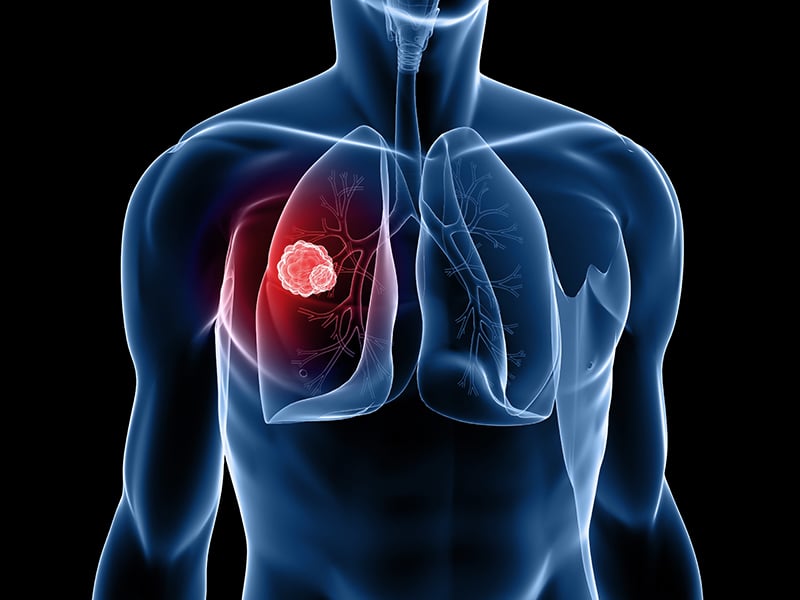
Lung Cancer Screening
Current lung cancer screening can be done bylow-dose computed tomography scan (Low – Dose Computed Tomography Scan: LDCT) which can detect cancerous lumps clearly, provides three-dimensional images with better detail than standard X-rays, and does not require fasting, dietary restrictions, or blood tests. The screening takes about 5 – 15 minutes, helping to detect lung cancer in its early stages, increasing the chances of recovery and survival rates. Those in the high-risk group should be screened annually.
Treating Lung Cancer
Lung cancer is the number 1 cause of death among all types of cancer because the early stages often have no symptoms and are typically diagnosed in the later stages. The treatment for lung cancer depends primarily on the stage of the disease.
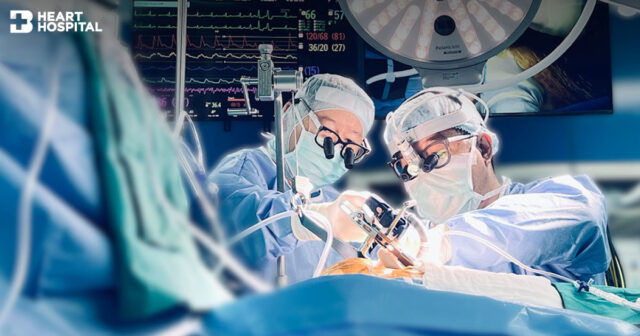
- Stage 1 can be treated with surgery combined with radiation and chemotherapy depending on the patient, the size of the cancer, and its location. Surgery is performed using Video – Assisted Thoracic Surgery (VATS) to remove an entire lobe of the lung or less than a lobe. Modern surgical techniques have been developed with electromagnetic navigation bronchoscopy (ENB) using GPS technology to precisely locate lung nodules, even those smaller than 1 centimeter, enabling more effective surgeries.
- Stage 2 is treated primarily with surgery like in stage 1, followed by chemotherapy (Chemotherapy) or targeted therapy (Targeted therapy), depending on the patient, the size of the cancer, and its location.
- Stage 3 Treatment is a combination of chemotherapy, targeted therapy, or immunotherapy together with surgery and radiation, managed by a multidisciplinary team (MDT). Treatment approaches vary depending on the disease’s footprint, and surgery can be more complex in some cases, such as when involving blood vessels or bronchi resection
- Stage 4 focuses on medication, including chemotherapy, targeted therapy, or immunotherapy to manage symptoms. Some patients might undergo surgery or radiation to alleviate symptoms.
Avoiding all types of smoke and dust, which are risk factors for lung cancer, will help maintain healthy lungs. Importantly, follow the doctor’s advice for lung health check-ups and promptly see a doctor if any abnormal symptoms arise.