
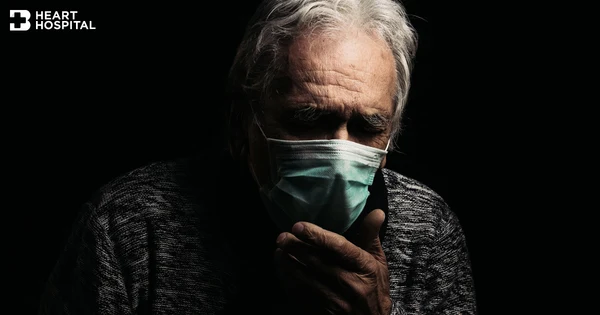
As the COVID-19 pandemic ungovernably continues spreading worldwide, disease severity has drastically increased due to several variants caused by vital mutations. As a highly contagious and potent disease, COVID-19 can cause a wide range of symptoms, extending from mild to fatal, affecting different organs in the body. Very often, serious respiratory complications can develop from infections that trigger our immune response mechanism. Some are even life-threatening that urgently require intensive care. If these conditions cannot be treated in a timely manner, the mortality rate surges significantly, especially in patients with certain preexisting diseases. It remains important to understand how to manage when a person gets attacked by COVID-19.
Disease severity of COVID-19
SARS‑CoV‑2 is a highly contagious virus that causes COVID-19. This virus is extremely potent, causing a wide range of symptoms affecting multiple organs. Once it is transmitted to our body, it begins attaching to internal organs, including the lungs, heart, intestines and vessels including renal vessels (those supply blood to the kidneys). Next step involves host cell penetration, leading to viral replication as virus continues multiplying and infecting more cells in the body. Once the viral multiplication reaches certain levels, a large amount of virus starts causing cell destruction and spreading to adjacent organs. As the virus speedily multiplies, organ damages continue progressively. Without prompt and appropriate treatments, it might lead to a fatal consequence due to multiple organ failure.
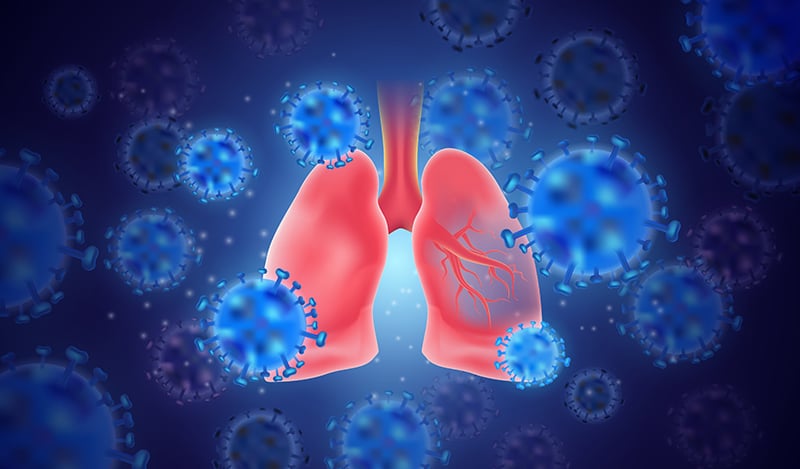
COVID-19 can cause lasting lung damages. The effect on the respiratory system mainly involves lung infections, resulting in an impaired oxygen exchange process. Once the lung tissue becomes damaged and cannot be oxygenated adequately, the oxygen level in the blood significantly reduces.
High-risk groups of having lung complications
High risk groups of having lung complications caused by COVID-19 include:
- Elderly people
- Patients with certain underlying conditions, such as diabetes, hypertension and cardiovascular disease
- People with BMI greater than 30
- Patients with other complications
Lung complications caused by COVID-19
When SARS-CoV-2 enters into the body, it comes into contact with the mucous membranes that line the respiratory tract. The virus enters a healthy cell and multiplies rapidly, allowing the new viruses to infect nearby cells and adjacent organs. Infections can develop in the upper and/or lower part of the respiratory system since the virus can travel down the airways. If it reaches the lungs, the lining can become irritated and inflamed. This inflammation activates our immune system to fight back through several immune mechanisms. Nevertheless, this immune response against the virus can also cause progressive scarring in the lung tissue, leading to lung damages that quickly worsen the symptoms. Without immediate and intensive treatments, patients are at greater risk of death.
Pneumonia often develops when the lungs are inflamed and filled with an excess fluid, leading to breathing difficulties. Pneumonia induced by COVID-19 tends to take hold in both lungs where air sacs in the lungs filling with fluid limit their ability to take in oxygen, resulting in shortness of breath. After the disease has passed, chronic lung injury may also result in breathing difficulties that might take months to improve.
Treatment of COVID-19
Depending on disease manifestations of each individual, COVID-19 usually requires symptomatic treatment. In some cases, antiviral therapy might be administered to suppress viral replication with potent anti-viral activity against SARS-CoV-2. In addition, anti-inflammatory agents might be prescribed in combination with other symptomatic therapy.
In severe cases with an impaired lung function and lung damage, the physicians often consider using endotracheal tubes and mechanical ventilators to manage airway problems and support the respiratory system. If pneumonia develops causing lung tissue damages and oxygen insufficiency, oxygen supplement transferred directly to the lung tissue might be required in order to maintain adequate oxygen levels in the blood to supply vital organs in the body. In case that respiratory conditions severely progress and become fatal, mechanical ventilators might not be able to manage these complications. ECMO (Extracorporeal Membrane Oxygenation) can be used to provide prolonged support to cardiovascular and respiratory systems. In ECMO, blood is pumped outside of the body to a membrane that removes carbon dioxide and sends oxygen-filled blood back to tissues in the body. This method allows the blood to bypass the heart and lungs, allowing these organs to rest and heal. ECMO, as a life support, can help lighting up hopes of surviving among patients present with critical conditions.
Take good care of your lungs
Amid the crisis of COVID-19, it is extremely crucial to remain healthy in order to minimize the risk of COVID-19 infection. Safety precautions must be strictly followed at all times, including wearing a face mask, frequent hand-washing, keeping social distance and refraining from going to crowded areas. More importantly, exposure to suspected or confirmed cases must be avoided. If any abnormal sign or symptom arises, medical attention should be sought immediately.