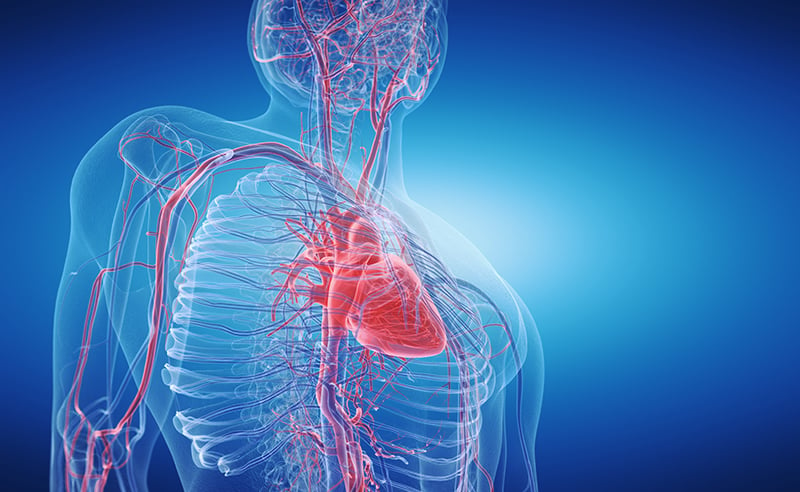
The aorta is the largest blood vessel in the body. Various factors that lead to health problems include blood vessel degeneration causing an aneurysm , cigarette smoking, etc. Unfortunately, there is no warning signs. Therefore, routine risk assessment for early detection is the best prevention.
Aortic Diseases
There are two major types of aortic diseases:
1) Aortic aneurysm.
The most common type is abdominal aortic aneurysm, which is commonly found in elderly males over the age of 65 years old with history of cigarette smoking, and family history of aortic aneurysm. The abdomen is not the only place where an aneursym can occur. In fact, it can orccur anywhere in the body. The reason that it is commonly found in the abdomen is because it is directly straight from the heart down to the junction in the abdomen, which causes a turbulent in the area and leads to a higher risk of aneurysm. Furthermore, there is also thoracic aneurysm, which can lead to sudden death if it ruptures before the patient can get to the hospital. Such scenario accounts for more than 90% of the cases.
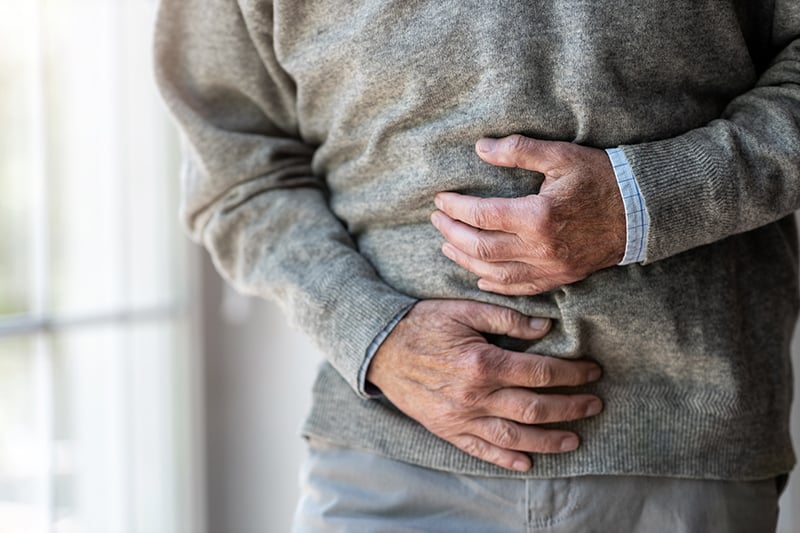
About 80% of patients do not show any signs of aortic aneurysm, while only 20% will have some warning signs. The most common symptom that should lead to doctor’s visit is abdominal pain (in the case of abdominal aortic aneurysm) to diagnose the root cause of the symptom. Because there are many factors that can cause abdominal pain and the symptoms are not specific, patients may not realize that it can potentially be aortic aneurysm and they may discover it by accident during a routine health exam.
If treatment can start in the early stages when the aneurysm affects a smaller area, mortality rate during surgery is nly 1 – 3%. The sooner a diagnosis can be made, the higher the chance of survival. Vascular degeneration depends on factors, such as age and sex, which cannot be avoided. Males have higher chances of aortic aneurysm than female at the rate of 4:1. Factors that patients can control are comorbidities, such as high blood pressure, and diabetes. If the patient cannot control their blood sugar level very well, then the degeneration will advance quicker. Other factors that lead to blood vessel inflammation include genetics factors that lead to aortic aneurysm. Anyone can start screening for aortic disease as early as in theri 30s – 40s at a hospital that is equipped with experienced medical staff and technology to detect the risk.
2) Aortic dissection
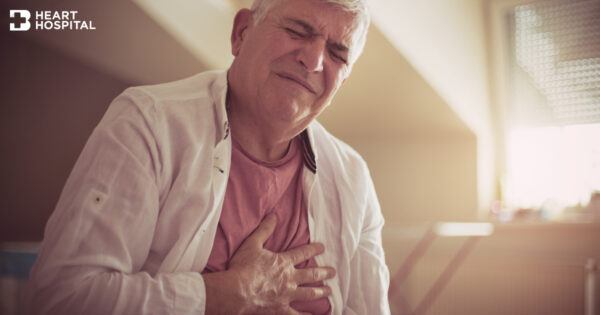
Because our blood vessel walls are like water pipes that have 3 layers, people with high blood pressure have a risk of blood vessel wall thinning and rupturing in certain area. Instead of blood circulating through the blood vessels as usual, once a portion of the vessel wall has a tear, blood will not circulate properly and seep between the layers. If it happens in the cerebral artery and the dissection enlarges, it may interfere with normal blood flow, causing cerbral infarction or myocardial infarction if it occurs in the cardiovasculature. The severity of the condition depends on the location of the dissection. The most recognizable sign of dissection is severe chest pain that radiates to the back.
Treatment for Aortic Disease
Tratment for aortic aneurysm and aortic dissection is surgery, which can be separated by technique as follows:
- Open chest or open abdominal surgery, depending on the pathological location of the blood vessel so that a graft can be inserted instead.
- A stent graft can be inserted through the leg artery. The incision is only 3 – 4 centimeters in size and is suitable for patients who are older than 65 years old or patients who have comorbidity, such as diabetes, hypertension, respiartory disease, previous history of several abdominal or thoracic surgeries or heart condition.
Caring for Our Aorta
Taking care of our health is important to keep the aorta healthy. This can be accomplished by
- Patients who have comorbidity should keep themselves in check by, for example, controlling blood sugar level in diabetic patients, or controlling blood pressure by taking proper medication regularly to lower cholesterol level. These simple steps can help prevent the blood vessels from degenerating prematurely.
- Smokers can quit smoking cigarettes to help reduce the risk of aortic disease.
- People in the high risk group should start getting physical exams earlier and inform your physician that you are at risk to receive proper screening from the beginning. This can simply be abdominal ultrasound or CT scan.
In the case that a patient is at risk of thoracic aortic aneurysm or experiences chest pain, please visit your physician as soon as possible to receive a proper care.