With Valentine’s Day right around the corner, we have the perfect opportunity to show some love to our hearts so they can continue to take care of us in the years to come. The aorta is the largest blood vessel in the human body. It carries blood from your heart up to your head and arms and down to your abdomen, legs, and pelvis. The walls of the aorta can swell or bulge out like a small balloon if they become weak. Here are tips that everyone can do to lower their risk of aortic aneurysm.
Dr. Attapoom Susupaus, a cardiothoracic surgeon and assistant director of Bangkok Heart Hospital, said that the aorta is the body’s main supplier of blood. It runs from your heart through the center of your chest and abdomen. The rate of the blood flow in aorta is 5 liter per minute. A ruptured aortic aneurysm can cause life-threatening bleeding. Male who are 65 year and older has a risk of developing aortic aneurysm around 10-15%. Lifestyle factor also play a role in increasing the risk of the disease e.g. live a sedentary lifestyle, have high cholesterol.

10 Tips to prevent an aortic aneurysm
- Have a regular check-up or screening test if you are in a high risk group
It is recommended that an ultrasound screening or CT-scan should be performed in high risk group as below.- Ages 65 to 75 and have ever smoked
- At least 60 years old and have a first-degree relative (for example, father or brother) who has had an aneurysm
Early detection can prevent premature death from a ruptured aortic aneurysm.
- Know the signs and symptoms
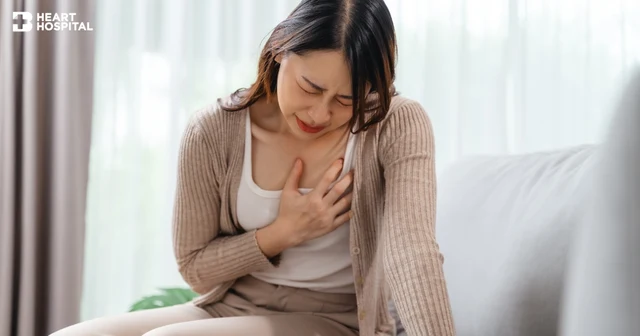
If you have any of the symptoms below, you should see a cardiologist right away.- Chest pain that radiates to your back
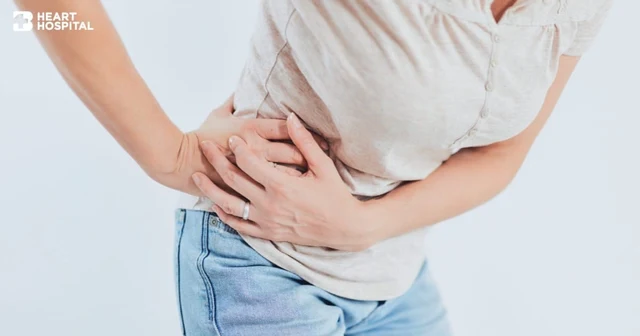
- Deep, constant pain in your abdomen
- A pulsating feeling near the navel
- Quit smoking
Smoking cessation reduces the risk of ruptured aortic aneurysm by 4 times. - Eat a heart healthy diet
A heart-healthy diet includes fruits, vegetables, high-fiber foods, and foods low in saturated fat and cholesterol. Consult a doctor before taking any supplements or vitamins. - Avoid taking any herbal/alternative medicines
The ingredients of the drug might not be listed on the label. Some herbal remedies may contain steroids and these can put your health at risk. - Reduce stress
Stress leads to hypertension and is a strong risk factor for heart disease. - Be active
Regular exercise, especially aerobic exercise, is one of the best things you can do for yourself. It is good for your blood pressure, weight, cholesterol, and mood. Start with a light exercise and gradually increase the intensity and duration. - Drink appropriate amount of coffee and tea
Caffeine affects each person differently. The appropriate amount is 1 cup per day. - Avoid alcohol
Alcohol drinking leads to hypertension and increase the risk of aortic aneurysm. - Find a hobby you love
Finding a hobby you love could keep you away from depression. People with hobbies are up and about; gardening, hiking and even a drawing class helps you have interactions with others while pursuing a pastime. Taking up a hobby with a buddy is even better since you will socialize and work in tandem. Leisure activities increase our happiness, soothe stress and lower blood pressure and heart rate.

Keep your heart healthy this Valentine’s day. Get an annual health check-up is also a good thing you can do and recommend your love one to do. A person who has a risk of cardiovascular disease should begin a heart health check-up at the age of 40, and a person who has no risk should begin a check-up at the age of 50. Certain heart conditions, if detected at the onset, can be much easier to cure and prevent in the future. Also, your doctor can recommend the kind of lifestyle changes you need to bring in order to ensure perfect cardiac health. Commit to nurturing your heart this Valentine’s Day