


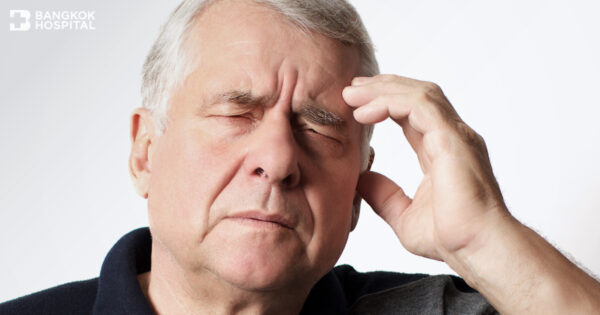
A stroke occurs when something blocks blood supply to parts of the brain or when a blood vessel in the brain bursts. In either cases, parts of the brain become damaged or dies. It is one of the leading cause of death and disability. A stroke can sometimes cause temporary or permanent disabilities, depending on how long the brain lacks blood flow and which part is affected. Paralysis is one of the complications caused by a stroke. The patient may become paralyzed on one side of the body or lose control of certain muscles, depending on which parts of the brain is affected.
Symptoms
There are 3 level of stroke severity as stated below.
- Minor strokeThis is also called transient ischemic attack (TIA). TIA is a condition characterized by stroke-like symptoms that generally last just a few minutes, hours, or less than 24 hours and cause no lasting impairment. The symptoms include sudden weakness in only arms, only legs, or face and arms, drooping mouth, confusion, and sudden trouble speaking or understanding.
- Moderate strokeParts of the brain become damaged. The patient can recover within 3-6 months. The symptoms include sudden weakness, loss of balance, blurred vision, memory loss, difficulty with making decisions and with understanding. Most patients also experience emotional changes – irritability or depression.
- Severe strokeThe brain becomes permanently damaged. The symptoms include paralysis of arms and legs, facial paralysis, loss of balance, intense slurring of speech, difficulty swallowing and memory loss.

Risk factors
- Hypertension – Patients with blood pressure higher than 140/80 mmHg. This can cause damage to blood vessel walls and eventually lead to a stroke.
- Diabetes mellitus – leads to narrow or blocked blood vessels. (Blood sugar before having breakfast > 110 mg/dL detected by two tests.)
- Hyperlipidemia – leads to blocked blood flow to the brain resulting in paralysis.
- Smoking – The more cigarettes you smoke, the higher your risk of having a stroke. The substances in cigarettes irritate the walls of blood vessels and this can lead to narrow blood flow.
- Lack of exercise
- Stress – Stress hormones increase blood pressure, and when those hormones are around long-term, it can lead to high blood pressure which is the leading cause of stroke.
- Obesity
Stroke screening
Screening for stroke can be done by blood test for hemoglobin concentration, blood sugar, lipids, and inflammation markers. Additional scan of the brain can be done if blood test result shows that the patient is in a high risk group.
- CT-scan – can detect abnormality of blood vessels in the brain
- MRI – can detect narrowing of blood vessels and other abnormalities such as brain tumor at early stages
- Carotid duplex ultrasound – uses sound waves to generate images of the insides of the carotid arteries, which supply oxygen-rich blood to the brain. The result includes size and thickness of the blood vessel.
Stroke can be prevented. Start taking care of your health and the health of your love ones. Annual health check-up can detect abnormalities early and reduce the risks.