


Total Hip replacement (THA) is one of modern medicine’s most dependable operations. It can erase pain and restore movement ; sometimes for decades. And it’s not just for seniors anymore. Today, more younger, active people need THA due to hip dysplasia, avascular necrosis, prior injuries, or early osteoarthritis. Large population studies show that modern implants often last two decades or more; at a national registry level, around 85% of hips are still functioning at 20 years, and the best-performing combinations report >90% survivorship at 20 years. Still, problems can arise, and when they do, revision hip surgery can be the key to getting your life back

When a revision may be needed
While everyday activity rarely harms a well-placed implant, certain issues can develop over time, including:
- Loosening or wear (pain, reduced function)
- Infection around the implant (periprosthetic joint infection)
- Instability/dislocation (early technical issues or late soft-tissue imbalance)
- Fractures or bone loss around the implant
Symptoms to watch for: deep groin or thigh pain, a “instability” feeling, new difficulty walking, or sudden pain after a fall. Early evaluation makes revisions safer and simpler.

Why revision hip surgery is more complex
A second operation must work around scar tissue and altered anatomy, reconstruct missing bone, and sometimes remove well-fixed components without damaging the remaining bone.
Most importantly, finding the exact cause of implant failure is the key to planning the right treatment. Whether the issue is infection, loosening, or instability, tailoring the surgical approach to the underlying problem helps restore function and reduces the chance of further complications or repeat surgeries.
Getting stability right is crucial; your surgeon may use strategies such as restoring offset and leg length or employing stability-enhancing bearings when appropriate.

Our approach at Bangkok International Hospital
Your hip is unique. Your plan should be too. At BIH, we design a personalized roadmap:
- Find the cause
History, exam, and targeted tests (blood markers; joint aspiration if infection is suspected), plus imaging; X-rays for position and wear, CT for bone loss, and advanced imaging when needed. - Match the solution to the problem
- Infection: Options range from debridement with implant retention to staged revision; success hinges on eliminating infected tissue and biofilm.
- Instability: Optimize component position, restore soft-tissue tension, and consider stability-focused bearings.
- Loosening/bone loss: Replace components and rebuild bone
- Fracture around the implant: Stabilize the break and revise to secure fixation; the minimally invasive technique depends on the fracture pattern.
- Operate with precision
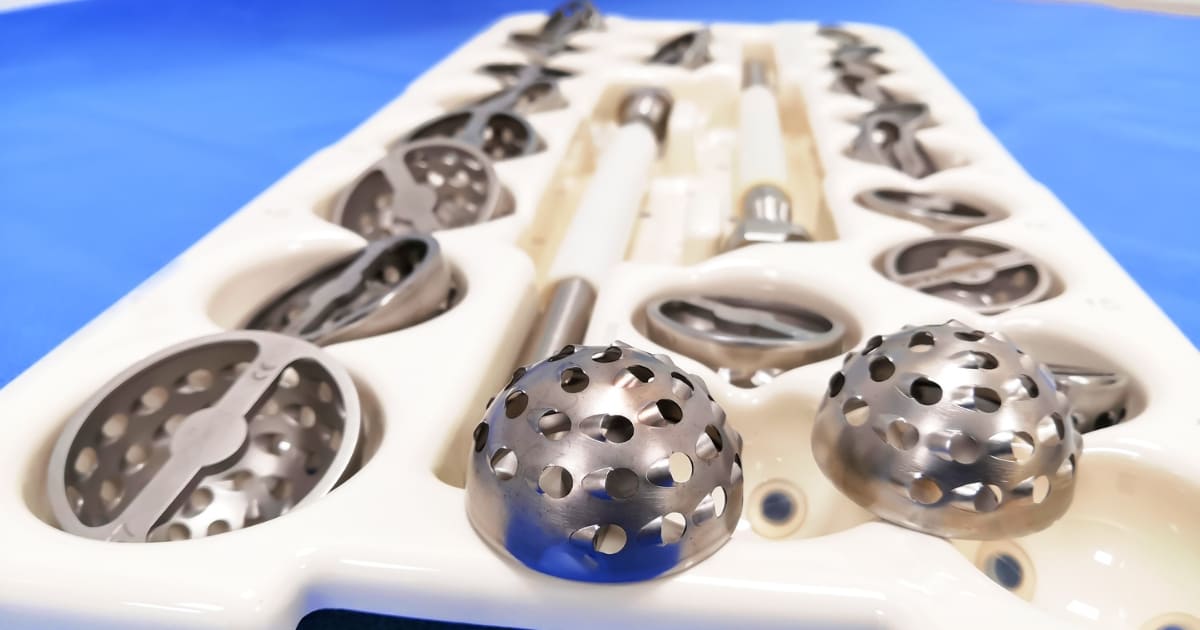
Experienced revision surgeons prepare multiple implant options and specialized instruments, allowing the operation to adapt to the specific findings in your hip. Outcomes are best when the true cause of failure is addressed the first time. Contemporary registry data also show that modern techniques have improved mid-term outcomes; even in younger patients.
What recovery looks like
- Early mobility>> Many patients stand and walk (with assistance) soon after surgery; weight-bearing plans depend on bone quality and reconstruction.
- Rehabilitation >> Focused gait training and strengthening rebuild confidence.
- Results you can feel>> Less pain, improved stability, and a return to everyday activities; when the plan truly targets the underlying problem.
When to seek assessment (Red Flags)
- New or worsening deep hip pain, night pain
- Feeling Instability
- Warmth, swelling, or any drainage from a previous incision
- Change in leg length or new difficulty walking
- Sudden pain after a fall or twist

If you’ve had a hip replacement and now feel pain, instability, or loss of function, don’t wait too long. Early evaluation can prevent minor issues from escalating into major problems.
Hospitals Specializing in Hip Osteoarthritis Treatment
Hip and Knee Center, Bangkok International Hospital, a hospital for bones and brains, offers diagnosis and treatment for hip osteoarthritis by a team of specialists ready to provide appropriate advice and treatment, along with modern technology to restore hip strength and confidence in everyday life.
Specialist Physicians in Hip Osteoarthritis Treatment
Dr.Panuwat Silawatshananai Orthopedic surgeon specializing in knee replacement and hip replacement without cutting muscles at Bangkok International Hospital, a hospital for bones and brains.