

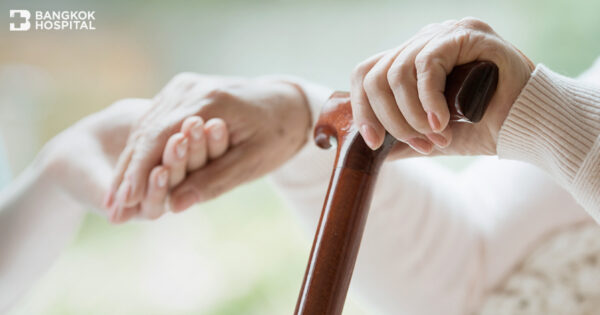

Common issues in “elderly” who have accidents by slipping and falling mostly involve hip fractures and head traumas, leading to disabilities and a considerably high mortality rate. Importantly, if an elderly person in the home, whether it be a grandfather, grandmother, father, or mother, falls, it’s not just they who suffer injury, but also every member of the household.
According to data, accidents in the elderly often stem from physical degeneration and regression, as well as from various diseases which result in decreased organ function. This usually occurs in elderly people aged between 65 – 75 years and due to the condition of osteoporosis or brittle bones, falls can easily lead to fractures.

- Each year, 1 in 3 elderly individuals tend to slip and fall, with half of them falling more than once.
- 10 percent of these falls result in hip fractures.
- 25 percent of hip fracture injuries are related to mortality.
- Falls often occur at home, especially in the bathroom and on stairs.
- 80 percent of patients with fractures have never been screened or treated for osteoporosis previously.
- Elderly individuals who have fallen once are 2 – 3 times more likely to fall again.
- Nearly 100 percent of patients with fractures from falls at home have chronic diseases, such as high blood pressure, diabetes, high cholesterol, heart disease, and some have chronic kidney failure. This makes treatment and care more complex, requiring close monitoring by family members, and hospitalization increases the risk of complications such as pressure sores, pneumonia, and infections in various systems.
Causes of falls in the elderly
Falls can be prevented by understanding their causes, such as
- Physical causes, including poor balance, leg weakness, numbness, fatigue, dizziness, vision and hearing issues, and medication affecting the circulatory system, etc.
- Environmental causes, such as slippery or wet floors, irregular surfaces, steps or uneven edges, insufficient lighting, unstable or broken home utensils, inappropriate use of walking aids, wearing clothes or shoes that don’t fit properly, etc.

Caring for the elderly’s health
For caring for the health of the elderly, such as
- Eat adequately, focusing on vegetables and fruits to maintain bodily balance and disease resistance.
- Should not skip meals as it can lead to tiredness and confusion.
- Move every day, walking or exercising according to age, such as Tai Chi, to maintain joint flexibility and body balance.
- Consult with a doctor or pharmacist every time medication is taken for side effects, including drowsiness-inducing drugs, sedatives, blood pressure medications, and diuretics, or if there is a history of regular medication use of at least 4 types (excluding vitamins). If taking medication that causes drowsiness, adjustments to daily routines to reduce the risk of falls should be made. Drinking alcohol should be avoided as it can cause falls.
- Do not be ashamed to use walking aids, and ensure that walking aids are of appropriate height and stable.
8 Techniques to Prevent Falls in the Elderly
The tips for fall prevention that children should pay attention to are “home,” the supposedly safest place. But for “the elderly,” home might be more dangerous or worse than you think. If not well-prepared for prevention, it may lead to injuries, disabilities, and death, turning into a nightmare for members of the household. Thus, 8 simple techniques that should be known and applied are

1. Increase floor friction
Such as using non-slip pads, synthetic wood materials, or if using tiles in the bathroom, opt for small-sized tiles with matte or textured surfaces.

2. Ramps are necessary
For easing efforts of the recovering patient using a wheelchair, create ramps in various stair locations with no more than 5 degrees of incline, a width of at least 90 centimeters, and a maximum ramp length of 6 meters.

3. Proper bed size
Choose a bed with a length of at least 180 centimeters and a height of about 40 centimeters (for wheelchair use) or the height from the floor to the knee joint, with at least 90 centimeters of space around three sides of the bed.

4. Doors should open easily
Switch from rotary knobs to lever handles to conserve strength. Doors should be at least 90 centimeters wide or wider than the width of the wheelchair, or convert to sliding doors without floor thresholds.

5. Secure grab bars at every step
Install short to long grab bars, or L-shaped or V-shaped, suitable for use at different points such as stairs, bathrooms, and hallways at a height of at least 80 – 100 centimeters from the floor.

6. Bright lighting
Opt for Day Light style lighting. Light switches should be 5 – 7.5 centimeters in size, within easy reach, at least 45 centimeters from the floor, but not more than 90 centimeters.

7. Elder-friendly functions
Various household items should have functions that make use easier, such as adjustable clothes rails that don’t require reaching.

8. Emergency assistance devices
Install additional devices, such as emergency pull switches in the bathroom or by the bed, etc.