Getting to Know Herniated Disc
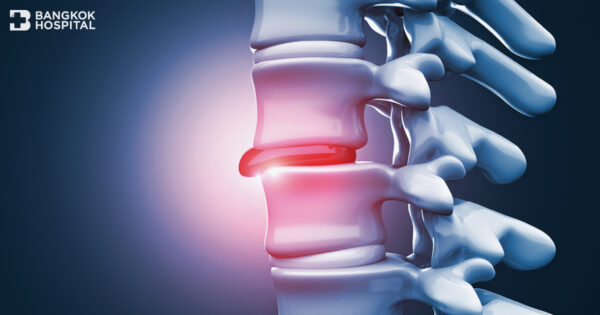
Herniated disc is a type of degenerate disease. The disc functions like a shock absorber between each vertebra with flexibility to withstand the force from spinal movements, such as walking or jumping. An important component of the disc is fluid. At younger ages, we all have plenty of fluid in the disc. But as we age, everything degenerates and the percent of fluid decreases. As a comparison, in young people, the disc will be soft like a pencil eraser. As we age, it becomes more rigid like a pen eraser or a “flat tire” that has lost its cushion. When the disc slipped out of place, it can cause pain along that nerve
Area Most Affected by Herniated Discs
Statistically, the most common area affected by herniated discs is the lower back, followed by the neck or cervical area due to strenuous work. As the disc degenerates and deflates, if it does not affect any nerve, patients may not feel any pain at all. Likewise, if the disc is not degenerated, but happens to press upon a nerve, patients may feel pain.
How Pain Differs for Herniated Disc?
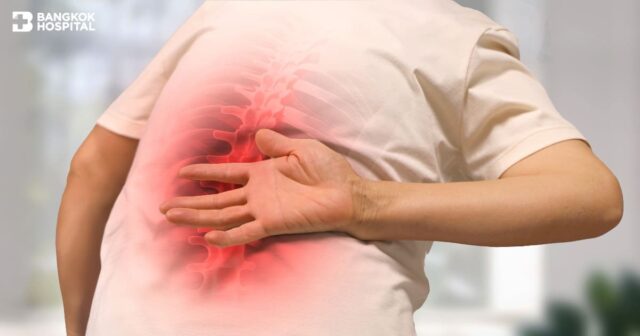
More than 80 – 90% of patients with back pain involves the back muscles from the mid to lower back due to heavy lifting, exercise or sitting for a long time. Patients will feel pain when pressing along the muscles due to fatigue. However, herniated disc pain feels more like a deep pain. It will not hurt when pressed on the muscles, but will hurt when pressed on the nerves that feed the back and radiates to out. Most will experience radiated pain down their legs as well as numbness or muscle weakness, which can be morbid for the patients. Other than pain in the irritated area and along the nerves, another tell-tale symptom is pain when coughing, sneezing, or straining. These actions increase the force on the spine and can possibly be an indication of herniated disc.
Which Age Group is Most Affected?
Herniated disc mostly affects two groups:
- People over 40 years old will start developing degenerate disease due to aging. When exerting physical activity or straining continuously, the disc may rupture and causes acute pain known as acute herniated disc.
- Young patients who like high physical activities, such as heavy exercises, extreme sports, or previous history of accident, are more likely to have herniated disc. Imagine twins who are exactly the same, except that one likes bungy jumping and American football, while the other one does not. As they age, the former is more likely to have herniated disc than the latter. However, if the inactive twin has bad posture and develops office syndrome, he may also develop herniated disc. Finally, everyone’s spine will eventually degenerate. It is just a matter of time.
Diagnosis
During physical exam, every physician will assess the patient’s pain: the nature of the pain and when it hurts. If a patient experiences morning pain that disappears as the day wears on, it may be our nighttime activities such as lumpy bed. However, if the pain comes later in the day, it may be posture-related or misuse of the spine. Some patients may develop acute pain. Most are golfers who need torque and twist for their game. Some patients may experience other symptoms, such as numbness, tingling, or foot drop.
If the initial pain occurs in young people with clear cause, such as heavy lifting or bending, it can simply be muscle pain. The physician will offer pain treatment. However, if pain medications are ineffective and the pain becomes chronic and radiates down the legs, it can possibly be a herniated disc. The doctor will send the patient to radiologic examination, such as MRI or CT scan for diagnosis and treatment plain.
Advances in Treatment Technology
New treatment technologies are continuously being developed, each with its own benefits and limitations. If we look back in the last 5 – 10 years, high magnification microscopic surgery and endoscopic surgery have become available to insert surgical tools and scopes to remove the ruptured disc.
The benefits are that it is minimally invasive surgery and technology allows surgeons to visualize the nerves and affected disc clearer. When the nerves and spine are involved, mistakes can lead to paralysis.
Injury to the muscles and nearby tissue is minimal, which makes recover quicker, patients experience less pain, and can return to their daily routines sooner. However, the medical team will diagnose and choose the most suitable type of surgery for each individual patient based on the best option that will resolve the issue.
Recovery and Rehabilitation after Surgery
After herniated disc surgery, the patient will no longer experience pain, but they should receive physical rehabilitation under the guidance of a physical therapist who can advise the proper way to look after their back. Exercise can build back muscle strength and support the lower back spine. Proper lifting technique can be helpful, while executives should take caution in their sitting posture. Use ergonomic chair with back support. Do not sit in the same position for longer than 2 hours to avoid such pain. For the ladies, hefty purses and high heels may not cause herniated disc, but may cause accelerated degeneration. Other accelerants include smoking and being overweight.
Please keep in mind that we cannot replace our back or spine and treatment will only fix the degenerated portion. So we ought to understand that we all will eventually age and deteriorate with just what we have on our back for the rest of our lives.