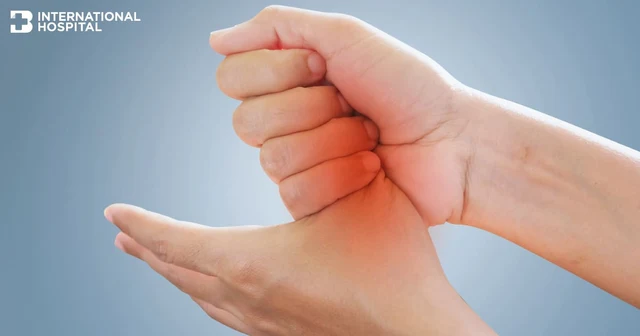

Traffic accidents are a major global issue resulting in a broken bone. A fracture is a serious matter because, while it might not be life-threatening, inappropriate treatment can result in permanent disability.
Aside from traffic accidents, the causes of fractures include workplace accidents and sports injuries. A concerning trend is the rising number of fractures in the elderly. Today, fracture treatment has progressed significantly. In Thailand, credit is given to Dr. Suthorn Bavonratanavech, Senior Director of the Orthopedic Center at Bangkok International Hospital. As an orthopedic surgeon, he has pioneered fracture treatment techniques for over 40 years. With his experience and capabilities recognized by international orthopedic physicians, he was voted President of the AO Foundation from 2014-2016, becoming the first Thai and Asian physician elected to this position.
This article will guide you to understand the differences in these injuries, introduce initial symptom assessment, medical treatment principles, and proper self-care for effective recovery.
What Are the Types of Bone Fractures and How Do They Differ?

Even though these are all bone injuries, the medical field categorizes the types of fractures to evaluate severity and plan treatment as follows:
Bone Fracture
This is a condition where the bone loses its structural continuity, separating into two or more pieces. It is frequently found in high-impact accidents such as car crashes, falls from heights, or contact sports injuries. Currently, a commonly seen scenario involves elderly individuals with osteoporosis, where a simple fall from a standing position can break a bone. The types of bone fractures depend on the severity of the applied force.
Simple Fracture
A simple fracture represents moderate severity where the bone separates into two pieces. It usually occurs when the specific body part sustains an impact or a severe twist of the limbs. In many cases, it presents as a closed fracture when the skin remains intact, and sometimes as a nondisplaced fracture where the bone pieces maintain their natural alignment.
Comminuted Fracture
A comminuted fracture is a high-severity injury where the bone is shattered or separated into multiple fragments (three or more). This typically happens from extremely severe impacts, such as being crushed by a heavy object or high-speed accidents.
Hairline Fracture/Stress Fracture
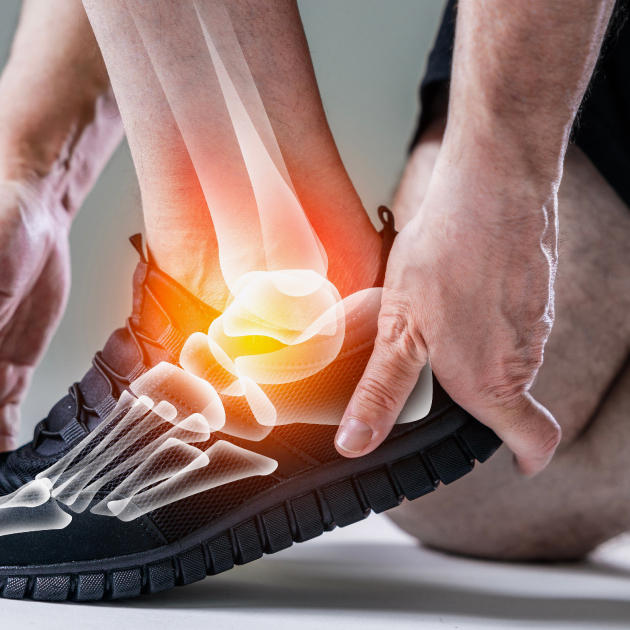
A hairline fracture is a small crack on the bone surface, while the bone structure maintains its original shape and does not separate completely. It can result from a minor impact or from repetitive use of a body part over a long period, causing bone fatigue.
How to Observe Initial Symptoms After an Accident: Is it Broken, Shattered, or Cracked?
When an injury occurs, observing initial bone fracture symptoms will help evaluate the severity and apply proper first aid.
Symptoms of Broken and Shattered Bones
- Immediate severe pain at the injured area, which worsens when trying to move.
- Swelling, bruising, or visible blood pooling under the skin.
- The affected body part appears deformed, twisted, or shorter than usual.
- Inability to move, bear weight, or use that specific body part at all.
Symptoms of a Hairline Fracture
- Localized pain at the crack site, usually occurring during movement, weight-bearing, or usage. The pain improves with rest.
- There may be slight swelling or faint bruising.
- The bone and external body parts show no visible deformity.
Warning Signs: Which Accident-Related Fractures Require Immediate Medical Attention?
If a broken bone from an accident is suspected, you should use a rigid object to splint the broken part and go to the hospital or contact an emergency hotline immediately upon seeing the following warning signs, as they may affect nerves, blood vessels, or risk disability:
- Open Fracture: The end of the bone protrudes through the skin, or there is a deep wound exposing the bone layer, which carries a severe infection risk.
- Pale, cold, or numb extremities: The hand or foot on the injured side is pale, cold, cannot move its fingers/toes, or lacks sensation. This indicates that bone fragments might be compressing or tearing blood vessels and nerves.
- Severe deformity: The body part is clearly twisted out of its natural direction, or swells rapidly.
- Suspected neck or spinal fracture: Severe neck or back pain, inability to move, or numbness spreading down the arms and legs. (Caution: Do not move the patient yourself. Wait for rescue personnel with specific equipment).
- Heavy blood loss or shock: Unstoppable bleeding, dizziness, palpitations, cold body, or confusion, which might stem from internal hemorrhage around the fracture site.
Diagnosis When a Fracture or Crack is Suspected

To diagnose a fracture, doctors will perform a physical examination and take a medical history to determine which bone is broken, the type of fracture, its severity, whether it involves a joint, and if it affects nearby blood vessels or nerves. A medical history and physical examination can generally identify a broken bone.
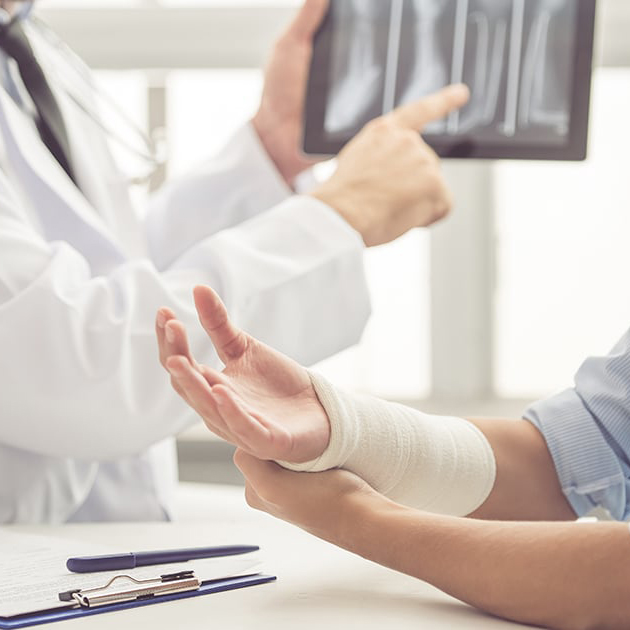
However, X-ray imaging is necessary to obtain a proper diagnosis and see the characteristics of the fracture and any deformity in various directions. For fractures near or inside a joint, it is necessary to perform an X-ray alongside a CT Scan and 3D imaging to clearly see the joint fracture. This information is then analyzed to plan the treatment collaboratively with the patient, providing care that meets their needs and is appropriate.
Understanding the “5R Principles” for Fracture Patients
In treating patients with a broken bone, medical practice follows a standard known as the “5R Principles” to help the bone heal and function well again.
- Recognition: Evaluating to clearly identify the bone location, fracture pattern, and injury severity.
- Reduction: Pulling or realigning the broken, shattered, or deformed bone fragments back to their natural structural position as closely as possible. Some fractures can be reduced externally. If not possible, a surgical procedure is necessary to realign the fracture.
- Retention: Maintaining the aligned bone in a stationary position to prevent movement and allow the body to create new bone to heal the connection. If external reduction is successful, treatment involves casting to immobilize the bone. If surgery is required for reduction, physicians usually consider using materials to fix the bone in place.
- Rehabilitation: Physical therapy to restore joint movement and increase surrounding muscle strength once new bone (callus) begins to form and connect.
- Reconstruction: Additional treatment for bones that healed with a deformity or leftover disability, helping the patient regain near-normal use of the organ.
How to Treat Fractures and Cracks
Treatment guidelines depend on the severity, fracture location, and the physician’s judgment. These are divided into two main approaches:
Non-Surgical Treatment
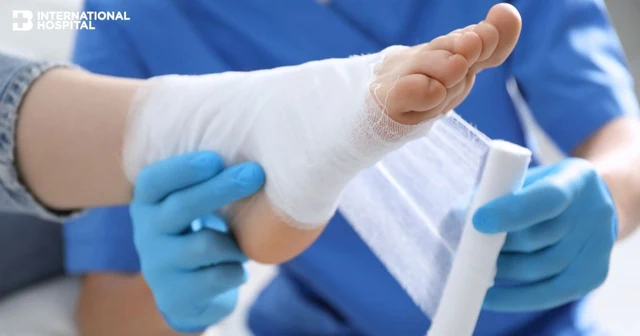
- Casts or supportive devices: Suitable for hairline fractures or a nondisplaced fracture without deformity, restricting movement to let the bone heal.
- Traction: Used for thigh bones or when there is muscle contraction pulling the bone. This is subdivided into two methods:
- Skin Traction: Indirect bone pulling using traction on the skin with a weight not exceeding 5 kilograms, via traction cords, adhesive tape, and ankle/wrist cuffs. Usually done for a short time.
- Skeletal Traction: Using metal pins to temporarily pull the broken bone while waiting for surgery. Used when more weight is needed, but the weight should not exceed one-sixth of the patient’s body weight. This involves inserting small metal pins through the bone and using equipment to pull directly through the bone.
These methods require the patient to lie still for a long time, which might lead to pressure ulcers or infection complications.
Surgical Treatment
- Internal Fixation: Used for displaced fractures, shattered bones, or multiple-fragment fractures. Although movement is possible soon after surgery, heavy usage must be avoided for about 1 to 2 months, and a cast might still be needed. The physician will open the wound, align the bone, and fix it with three different types of devices based on suitability. This reflects a common procedure for fracture surgery in Thailand. The devices include:
- Nail: Commonly used to treat fractures in the middle part of bones, such as the upper arm, thigh, and lower leg.
- Plate and Screw: Often used after bone reduction to hold the bone still.
- External Fixator: Inserted into the bone away from the fracture site on both sides, then the bone is pulled into place and the external frame is assembled to secure the bone. This device is only used for severe open fractures.
Choosing a treatment method requires a discussion between the physician and the patient, as the treatment takes time and the patient may need to take a long leave from work or experience impacts on daily life.
Self-Care Tips to Help Bones Heal Properly

During the recovery period, patients can care for themselves to support the bone healing process as follows:
- Consume foods high in calcium, vitamin D, and protein, such as milk, small fish, eggs, and beans, to provide nutrients for building bone mass.
- Abstain from smoking and alcoholic beverages. Toxins obstruct blood circulation and the formation of new bone cells, delaying bone fusion.
- Perform physical therapy, move joints, and exercise muscles strictly as recommended by the physician or physical therapist to prevent joint stiffness and muscle atrophy.
Precautions: What Not to Do with a Broken or Cracked Bone
To prevent the injury from worsening, patients and helpers should avoid these behaviors:
- Do not attempt to bend, pull, or realign a deformed bone yourself under any circumstances, as the broken bone may pierce internal organs.
- Avoid placing weight on the injured body part before receiving permission from a physician.
- Do not let a massage therapist massage, squeeze, or bend the area suspected of a fracture. The pressure could push bone fragments to compress nerves or blood vessels, causing severe harm.
Medical Professional for Bone Fracture Treatment
Dr. Suthorn Bavonratanavech, Senior Director, Orthopedic Center, Bangkok International Hospital, Orthopedic Surgeon.
Hospital for Bone Fracture Treatment
The Orthopedic Center at Bangkok Hospital is ready to provide diagnostic and treatment services for all types of bone, joint, and tendon issues. Services cover non-surgical treatments, bone fixation surgery, and complex surgeries. Our physicians treating broken bones possess specific experience, as they focus solely on fracture treatments. Additionally, we have rehabilitation medicine physicians and physical therapists closely monitoring to evaluate and plan suitable treatments for each patient. This is done under safety standards with the goal of helping patients rehabilitate their bodies, regain mobility, and live their daily lives with quality.
Summary
Accidents leading to a broken bone, shattered bone, or bone crack can happen at any time. Understanding initial symptoms and knowing proper first aid is highly important. When an injury occurs that is suspected to impact a bone, you should see a physician promptly for diagnosis and medical treatment. This helps prevent potential complications and supports the bone to heal strongly and completely.
- Find a doctor: https://www.bangkokhospital.com/en/bangkok/doctor
- Make an appointment: https://www.bangkokhospital.com/en/bangkok/appointment/step1
- Contact us: https://www.bangkokhospital.com/en/bangkok/contact
Frequently Asked Questions
1. Can a hairline fracture heal on its own?
A hairline fracture can heal and fuse on its own through the body’s repair mechanism. However, a precaution is that the patient needs to limit movement to prevent the bone from shifting and healing with a deformity. Using the affected body part properly is essential. If not cared for or if weight is forced upon it, the crack can widen into a displaced fracture.
2. How many months of treatment does a broken leg need before walking normally again?
The healing time depends on the location, fracture severity, and patient’s age. On average, the bone will begin building cells for initial fusion within 6 to 8 weeks, gradually forming stronger bones. However, rehabilitating the bone to be strong enough to bear weight and walk normally may require recovery and continuous physical therapy for about 3 to 6 months.
3. What should be done for initial first aid when a fracture is suspected?
The injured person should lie or sit still. Try to splint the injured part in place using any available rigid materials (such as a wooden board, umbrella, or thick cardboard) and wrap it firmly with cloth to reduce bone movement. Apply a cold compress to the swollen area to reduce pain and bleeding under the skin. Then, take them to the hospital promptly.
4. Is it true that the elderly experience broken bones more easily than younger people?
True. The elderly usually have age-related bone mass reduction or underlying osteoporosis, making their bone structure more fragile than usual. Even a minor fall or a low-impact bump can cause a fracture or crack more easily than in other age groups.