


Understanding Osteoporosis
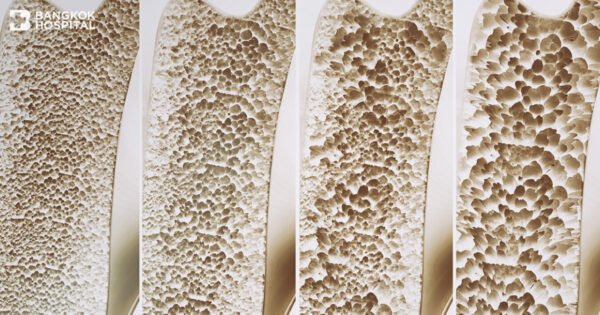
Osteoporosis is a disease characterized by continuous bone resorption until there is a risk of fractures. Essentially, osteoporosis means that there is a decrease in bone density or the bone becomes thinner, which is a process that occurs over a long period of time, often years, without any noticeable signs or feelings until fractures occur or there is a noticeable curve and deformation of the spine due to bone collapse and significant shortening.
The Importance of Osteoporosis
Osteoporosis is considered a major public health problem. The rate of fractures due to osteoporosis is increasing every year. Approximately 50% of women and 20% of men over the age of 65 will suffer fractures related to osteoporosis, experiencing painful fractures in the hip, spine, wrist, arms, and legs, often as a result of falls, but it can also occur from everyday routine activities due to fragile bones that easily break. Studies have shown that hip fractures are a serious condition that deteriorates both physical and mental health of the patient and their surroundings; they may become dependent on others, or at the very least, need to use walking aids for a long period of time, and about 50% will need them permanently.

Risk Factors for Osteoporosis
Although the exact cause of osteoporosis is still undetermined, there are various risk factors that contribute to the disease, such as
- Age
Naturally, the body accumulates calcium in the bones to increase bone mass, reaching its peak density at around age 30 and remains stable between 30 – 40 years. After that, bone mass gradually decreases each year until menopause in women, when the bone mass decreases rapidly, and with age over 65, bone mass decreases to the point increasing the risk of fractures.

- Genetics or Heredity
It has been found that Caucasians and Asians (white and yellow skin) have a higher risk of osteoporosis and it increases when there is a history of fractures in elderly family members or those who are already slender.
- Nutritional Status and Lifestyle
Malnutrition, undernutrition, low body weight, low intake of calcium, poor calcium absorption, alcohol consumption, smoking, sedentary lifestyle, or lack of exercise
- Medication and Chronic Diseases
Medications affecting osteoporosis include steroids, thyroid disease medications, diabetes, kidney diseases, etc.
Preventing Osteoporosis
Maximize calcium accumulation in the bones before the age of 30 and continue consuming calcium and vitamin D throughout life to maintain good bone condition and reduce the risk of fractures. Importantly, exercise regularly at all ages.
Calcium Requirements by Age
The amount of calcium needed varies at each age and physical condition, as follows
- Age 9 – 18 years = 1,300 milligrams per day
- Age 19 – 50 years = 1,000 milligrams per day
- Pregnant and breastfeeding women = 1,000 – 1,300 milligrams per day
- Age over 50 years = 1,200 milligrams per day
Calcium-rich Foods
Foods high in calcium include:
- Green leafy vegetables, such as kale and broccoli
- Milk and dairy products
- Sardines with bones
- Small fish with bones
- Dried shrimp
- Firm tofu
- Black sesame
- Shrimp paste
- Etc.
Vitamin D for Calcium Absorption
Vitamin D helps in the absorption of calcium, with the body needing 200 – 600 units of vitamin D daily, which can be found in a glass of milk containing 100 units of vitamin D and 300 milligrams of calcium. If you think you are not getting enough calcium and vitamin D from your diet, consult a doctor before taking any supplements.
Regular Physical Activity
Regular exercise at all ages helps prevent bone mass loss and also strengthens the body. Weight-bearing exercises such as dancing, brisk walking, or jogging, either on the road or on a treadmill, are beneficial. Additionally, balance training to prevent falls is an effective method to reduce the incidence of fractures, such as certain types of Tai Chi. Consult a doctor if unsure.
Diagnosing Osteoporosis
The external appearance of the body can indicate osteoporosis, especially spine deformities that curve or shorten significantly, indicating severe osteoporosis in the spine. Therefore, postmenopausal women should consult a doctor for a pre-emptive consultation on osteoporosis, which includes patient history, physical examination, blood tests, and various instrument-based examinations, such as
- Bone x-ray imaging
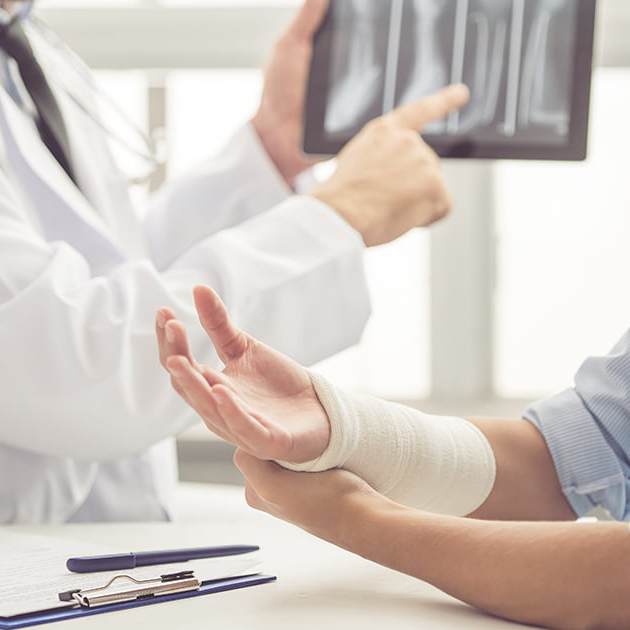
In osteoporosis, bone tissue appears faint, the bone cavities widen, and coarse bone ridges can be seen, with the bone edges appearing as clear white lines. In some cases, fractures or spinal collapse can be observed.


- Bone mass measurement (Density)
Through special radiological instruments, this painless method can examine all parts of the bone, but the most common and standardized by the World Health Organization are the lumbar spine and hip.

Treating Osteoporosis
As bones are the core structure of the body and deteriorate with age, treatment focuses on prevention. It is also important to pay attention to diet and regular exercise. However, in case of complications that require treatment, it is necessary to receive care from multiple medical specialties including medication, surgery, and rehabilitation.
Medications for Osteoporosis
There are several groups of medications for treating osteoporosis, depending on the suitability for each case, including
- Feminine Hormones
Suitable for women entering menopause, available in oral form, topical application, or skin patches. These hormones help reduce bone mass degradation and lower the incidence of fractures. However, there are several advantages and precautions for using female hormones, which should be consulted with a gynecologist prior to use. - Specific bone-acting hormone group
These are oral tablets that specifically target hormone receptors to stimulate bone mass stability, such as the spine, but do not act like hormones on the uterus and breasts, and may reduce the incidence of breast cancer. Consult a doctor before use. - Calcitonin
This group includes another type of synthetic hormone that’s not a sex hormone, available in injectable and nasal spray forms for mucosal absorption. It acts to reduce pain and strengthen the spine’s bone mass. Consult a doctor before use. - Bisphosphonate group
There are many drugs in this group that work similarly by reducing calcium breakdown from bones, available in injectable and oral forms, and can be administrated daily, weekly, or monthly. They affect the hip and spine bones. There are many precautions and side effects, so consult a doctor before use. - Synthetic Strontium
A new oral medication group that helps reduce bone mass degradation and increases bone mass. Consult a doctor before use. - Parathyroid hormone
A new injectable drug under the skin every day for at least 6 months, stimulating good bone mass building, but with limited indications and careful use. The drug will be prescribed by a doctor for specific patients.
Principles of Osteoporosis Treatment
Treatment with different medications must be suitable for each patient. If used correctly, it can be beneficial in building bone mass and reducing the incidence of fractures. In addition, prevention before the onset of the disease remains a key aspect of osteoporosis management.