

Sleep Lab
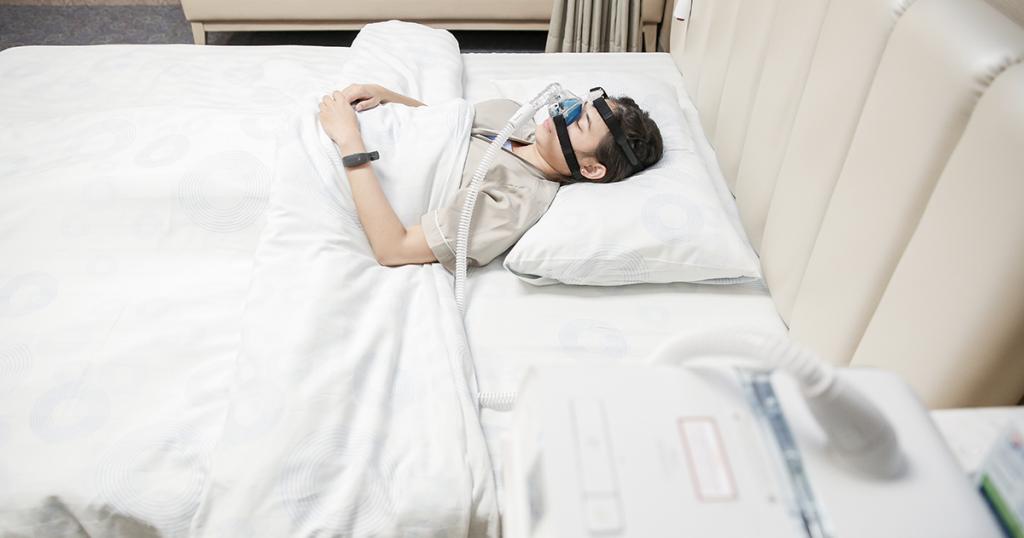
Sleep lab (polysomnography) is a test used to diagnose and determine the severity of sleep disorders. During the test, the continuous records include brain waves, the oxygen level in the blood, heart rate and breathing via mouth and nose, as well as eye and leg movements and chest muscle function. The test records night time and day time sleep patterns. In case of obstructive sleep apnea, during sleep, when throat and tongue muscles are more relaxed, this soft tissue can cause the airway to become blocked. Continuous positive airway pressure (CPAP) is often used to keep airways open in patients who are not able to breathe spontaneously on their own. It is a form of positive airway pressure ventilator.
With this treatment, the pressure of the air breathed is continuous, constant and greater than that of the surrounding air, which is enough to keep the upper airway passages open. This air pressure prevents obstructive sleep apnea and snoring. In some cases, Actigraphy might be additionally recommended. Actigraphy, watch like devices are used to assess behavior while both sleeping and awakening. These devices resemble wristwatches and are used to track the sleep habits of patients day and night. The resulting data is interpreted by a doctor specializing in sleep disorders. It will be used for treatment planning customized in individual patients.