


Translated by AI
How dangerous is it when a pregnant woman gets COVID-19?
The COVID-19 pandemic situation continues to persist. Therefore, expectant mothers must take strict care of themselves and their little ones following medical advice. This is because if a pregnant woman becomes ill with COVID-19, not only can she experience more severe symptoms than the general population, but there is also a risk of death.

Post COVID-19 Vocal Cord Trauma
COVID-19 patients who had severe condition which required endotracheal intubation for a long period of time might have laryngotracheal or vocal cords complications such as swelling, bruising, inflammation, or scarring. Therefore, you should observe yourself and contact your physician immediately if there’s something wrong.

Beware of These Common Eye Diseases
Eye disorders can be caused by various factors, resulting in various signs and symptoms. They can be as trivial as minor irritation or pain all the way to blurred vision or blindness. The four most common eye diseases, pterygium, pinguecula, cataract, and glaucoma, are worth knowing to keep your eyes safe.

Dry eye disease – a common eye problem disturbing daily life
Dry eye disease is a common and often chronic problem, affecting daily life and activity of people of all ages. Dry eyes develop when the tears are not able to provide adequate lubrication for the eyes.

Questions and Answers on Sinopharm COVID-19 Vaccine

An anal fistula – An infected tunnel between the bowel and the skin near the anus.
An anal fistula is defined as an infected tunnel that develops between the skin and the muscular opening at the end of the anus.

Making the world seem smaller in a time of need
According to the International Travel Health Guide 2019 online edition, the probabilities of acquiring certain diseases or having an accident while traveling, depend largely on where you travel and what you are doing while traveling. At the very least, a life-threatening illness, injury, or accident requiring a medevac can happen anywhere and at any time.
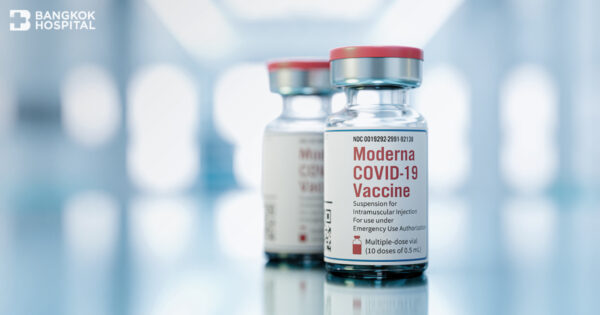
Frequently asked questions and answers about Moderna COVID-19 vaccine
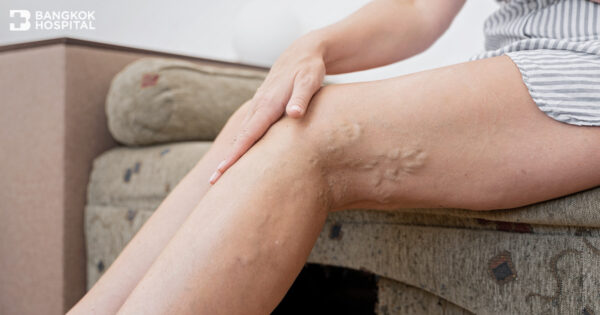
Chronic Venous Insufficiency (CVI), Get it treated right away before it becomes too late.
Chronic venous insufficiency (CVI) refers to a condition when the venous wall and/or valves in the lower extremities do not work properly, making it more difficult for blood to return to the heart from the legs. CVI is caused by damaged or weakened valves and vein wall due to aging and prolonged sitting or standing as well as reduced mobility. As a result, blood can flow backwards and pool or collect in these veins, leading to swelling in the lower legs and ankles.
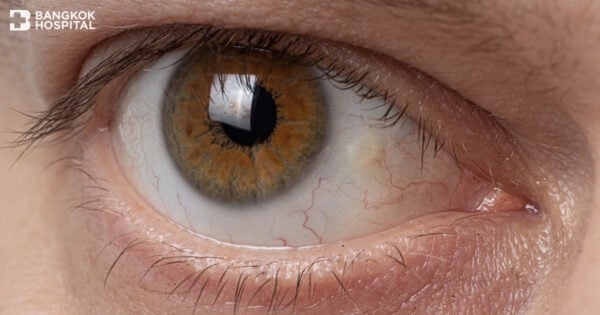
Pinguecula and pterygium – The common degeneration of the conjunctiva
Pinguecula and pterygium are the common degenerations of the conjunctiva. A pinguecula is characterized by a yellowish raised growth on the conjunctiva typically at the nasal or temporal conjunctiva near the edge of cornea. Pterygium is the triangular shape of vascularized conjunctival tissue on the cornea and it invades the cornea (known as fibrovascular invasion of the cornea). Pterygium may start as a pinguecula that can remain small or grow large enough to cover some parts of the cornea. The body of a pterygium usually appears red with noticeable blood vessels. Redness depends on the growth of abnormal blood vessels. If it is left untreated, pterygium sometimes advances towards the center of the eye, affecting vision. They are not tumor. Generally, pinguecula and pterygium form in the corner of the eye near the nose. However, they may develop in the temporal of the eye and often both eyes are involved.

Implanted Chemo Port - An implanted device allowing easy access to the veins for chemotherapy
Vascular access problems can usually develop in patients who need frequent administration of intravenous fluids or drugs and blood transfusion.
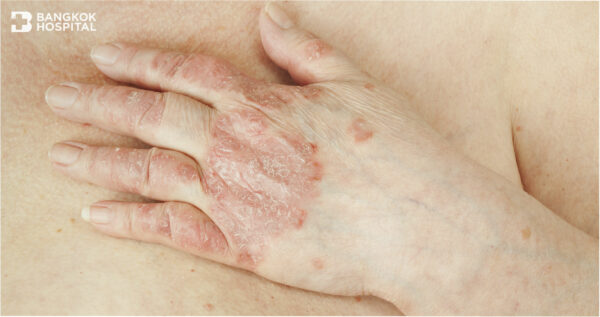
Psoriatic arthritis can potentially lead to permanent deformity and disability.
When a joint pain or joint tenderness exhibits, it might be solely mistaken for arthritis –a common condition that causes pain and inflammation in the joints. In fact, if swollen or tender joints are present with scaly skin patches, psoriatic arthritis might be indicated.