Influenza: Prevention and Treatment
Influenza, commonly known as the flu, is an acute respiratory infection caused by the influenza virus. It is highly contagious and can spread easily through respiratory droplets when an infected person coughs, sneezes, or through contact with contaminated surfaces. Influenza can occur year-round but is most prevalent during the rainy and winter seasons. Without proper care, it may lead to severe complications, particularly among young children, the elderly, and individuals with underlying health conditions.
Causes of Influenza
Influenza is caused by the Influenza virus, which is classified into four main types:
-
Influenza A – Known to cause major epidemics and pandemics, such as the H1N1 strain.
-
Influenza B – Typically causes seasonal outbreaks, though less severe than Type A.
-
Influenza C – Usually results in mild illness and is relatively uncommon.
-
Influenza D – Not known to cause illness in humans.
Common Symptoms of Influenza
-
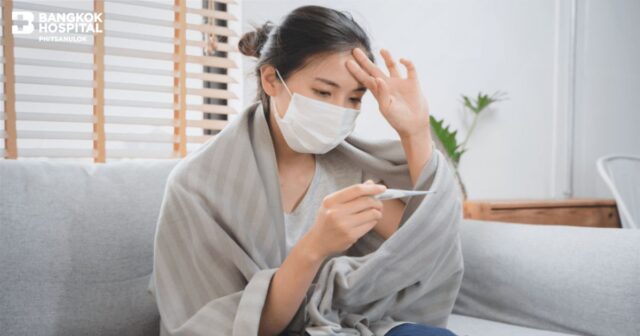
High fever (38–40°C)
-
Chills
-
Muscle and joint pain
-
Fatigue and general weakness
-
Dry cough and sore throat
-
Runny nose and nasal congestion
-
Headache
-
In some cases: nausea, vomiting, or diarrhea
Preventive Measures Against Influenza
-
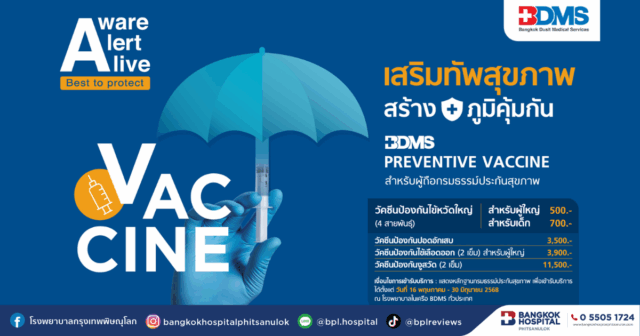
Annual Influenza Vaccination
-
The flu vaccine reduces the severity of illness and the risk of death.
-
Strongly recommended for high-risk groups, including young children, the elderly, pregnant women, and those with chronic illnesses.
-
-
Frequent Handwashing
-
Wash hands with soap and water or use alcohol-based hand sanitizer to minimize transmission.
-
-
Avoid Touching the Face
-
Refrain from touching your eyes, nose, or mouth without washing your hands first.
-
-
Wearing a Mask in Crowded Areas
-
Helps prevent the spread of the virus, especially during flu season or outbreaks.
-
-
Avoid Close Contact with Infected Individuals
-
Maintain distance from those exhibiting flu-like symptoms to reduce the risk of transmission.
-
-
Maintain Overall Health and Immunity
-
Consume a balanced diet, engage in regular physical activity, and ensure adequate rest and sleep.
-
Treatment of Influenza
-
Adequate Rest
-
Avoid strenuous activities and allow the body time to recover.
-
-
Stay Hydrated
-
Drink plenty of fluids to prevent dehydration and aid in viral elimination.
-
-
Symptomatic Relief
-
Use paracetamol to reduce fever and alleviate muscle aches.
-
Avoid the use of aspirin in children, as it may lead to Reye’s syndrome, a rare but serious condition.
-
-
Antiviral Medications (When Indicated)
-
In certain cases, a physician may prescribe antiviral drugs such as Oseltamivir (Tamiflu) or Zanamivir to lessen the severity and duration of symptoms.
-
-
Self-Isolation and Infection Control
-
Patients are advised to stay home from school or work until fully recovered—at least 24 hours after fever subsides without the use of antipyretics.
-