



Prevention of Sarcopenia
Preventing sarcopenia can be achieved through regular resistance training, balance exercises, aerobic activities, and muscle stretching. Focus particularly on the lower body and core muscles, which are essential for walking and daily activities. Start with light to moderate intensity and gradually increase over time.
These exercises not only help prevent muscle loss but also reduce the risk of osteoporosis, improve balance, lower the risk of falls, and decrease the likelihood of chronic non-communicable diseases (NCDs).
Recommendations from Physical Therapists

Resistance training to strengthen major muscle groups (legs, arms, back, core) at least 2–3 days per week
- Target muscles: legs, arms, and back, 30–60 minutes per day, 2–3 days per week
- Equipment: resistance bands, dumbbells, body weight, water bottles
Examples
- Sit-to-Stand
- Step-ups / Knee lifts
- Wall Push-up
- Resistance band exercises

Balance training to reduce fall risk, especially in older adults
- Standing on one leg
- Heel-to-toe walking
- Tai Chi or light yoga

Aerobic exercise to improve endurance and cardiovascular health, at least 150 minutes per week
- Brisk walking
- Cycling
- Swimming

Flexibility training by stretching major muscles such as legs, back, and shoulders. Hold each stretch for 15–30 seconds, 2–4 repetitions

Daily lifestyle adjustments
- Move frequently instead of sitting for long periods
- Modify the home environment to reduce fall risk
- Consult a physician or physical therapist if you have underlying conditions
Recommendations from Dietitians
How to Eat to Maintain Strong Muscles

Maintain appropriate calorie intake to keep a healthy body weight
- Overeating → weight gain, increased risk of diabetes and hypertension
- Undereating → weight loss, weakness, muscle loss
💡 Tips:
- Consume at least 300–450 kcal per meal
- Eat three balanced meals daily
- Reduce sugary, fatty, and salty foods
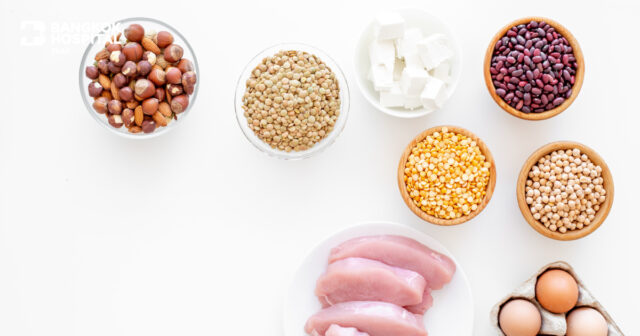
Ensure adequate protein intake to build and repair muscles
- Recommended intake: 1.0–1.2 g/kg/day
- Avoid processed meats
- Choose high-quality protein: fish, poultry, eggs, tofu, milk
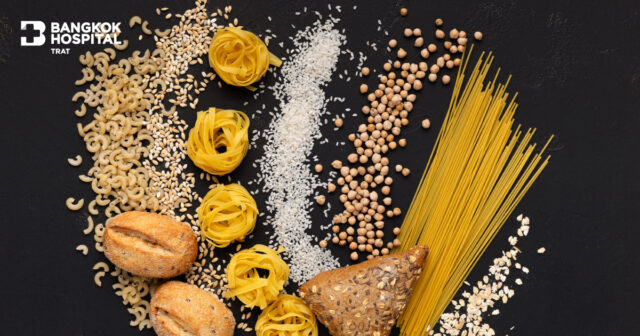
Choose complex carbohydrates to maintain stable blood sugar levels
- Whole grains and high-fiber foods
- Limit sugary drinks, desserts, processed foods

Choose healthy fats to support heart health
- Reduce fried and oily foods
- Use healthy oils such as olive oil, sunflower oil, rice bran oil
- Eat nuts and seeds in moderation

Consume vegetables and fruits to increase fiber, vitamins, and minerals
- Vegetables: unlimited intake encouraged
- Fruits: 2–3 servings per day (choose low-sugar options)