


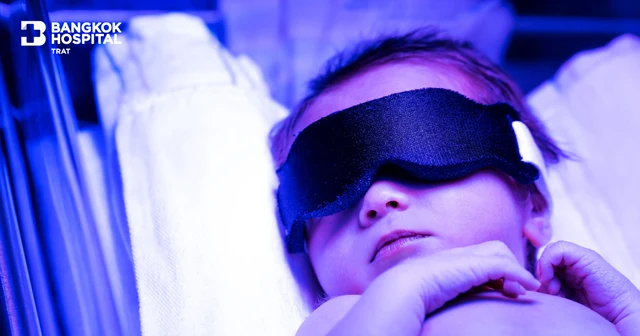
Neonatal Jaundice: How to Recognize It and Is It Dangerous?
Neonatal jaundice is a common condition seen in newborn babies. It occurs when a yellow pigment called bilirubin builds up in the bloodstream, causing the baby’s skin and the whites of the eyes to appear yellow. While most cases are harmless and resolve on their own, some may indicate an underlying medical condition that requires prompt medical attention.
How Does Neonatal Jaundice Occur?
Bilirubin is produced when red blood cells are broken down. Normally, the liver processes bilirubin and removes it from the body through bile, stool, and urine. In newborns, however, the liver may still be immature and unable to eliminate bilirubin efficiently. As a result, bilirubin accumulates in the blood, leading to jaundice.
Causes of Neonatal Jaundice
Physiological Jaundice
This is the most common type of jaundice in newborns. Before birth, babies have a higher number of red blood cells than they need after delivery. As these excess red blood cells break down, bilirubin levels increase.
- Commonly appears between 2 and 3 days after birth
- Usually resolves on its own within 5 to 7 days
Jaundice Caused by Increased Red Blood Cell Breakdown
Possible causes include:
- Blood group incompatibility between mother and baby
- Rh incompatibility
- G6PD deficiency
- Certain red blood cell disorders
- Infants born to mothers with diabetes
- Bruising or bleeding related to birth
- Newborn infections
Other Causes
- Breast milk jaundice
- Congenital hypothyroidism
- Liver disease or hepatitis
- Bile duct obstruction
- Premature birth
How Can Parents Recognize Jaundice?
Common signs include:
- Yellowing of the skin
- Yellowing of the whites of the eyes
- Yellow discoloration that begins on the face and may spread to the chest, abdomen, arms, and legs
Parents can perform a simple check by gently pressing on the baby’s skin in a well-lit area. When the pressure is released, the skin may appear yellow instead of pale if jaundice is present. If the yellow color spreads beyond the face to the body or abdomen, the baby should be evaluated by a healthcare professional.
Is Neonatal Jaundice Dangerous?
In severe cases, very high bilirubin levels can enter the brain and cause serious complications. Warning signs may include:
- Unusual drowsiness
- Poor feeding
- High-pitched crying
- Seizures
- Arching of the back
- Developmental delay
- Hearing loss
If any of these symptoms occur, immediate medical attention is required.
Common Misconceptions About Neonatal Jaundice
Some people believe that giving a newborn extra water or exposing the baby to sunlight can treat jaundice. However, these practices are not recommended.
- Excess water may reduce the baby’s milk intake and affect nutrition.
- Sunlight exposure is not considered a safe or effective treatment for neonatal jaundice.
When Should Parents Seek Medical Care?
Parents should take their baby to a doctor immediately if:
- The yellow discoloration becomes more noticeable or spreads across the body
- Jaundice appears within the first 24 hours after birth
- The baby is unusually sleepy or refuses to feed
- The baby develops a fever
- The baby cries excessively or behaves abnormally
- Seizures or body stiffness occur
- The baby was born prematurely or has underlying medical conditions
Early recognition and appropriate medical care can help prevent serious complications and support healthy growth and development in newborns.