

Urinary Tract Stones: Recognize the Symptoms and Prevent Complications
Urinary tract stones are formed when minerals and other substances in the urinary system crystallize and accumulate into hard deposits. These stones can develop in the kidneys, ureters, bladder, or urethra. It is a common condition that may affect kidney function if left untreated.
Causes of Urinary Tract Stones
Several factors may contribute to the formation of urinary tract stones, including:
- Genetic predisposition
- Age and gender
- Dietary habits
- Insufficient water intake
- Certain medications
- Urinary tract infections
- Structural abnormalities of the urinary tract
Symptoms to Watch For
Common symptoms of urinary tract stones include:
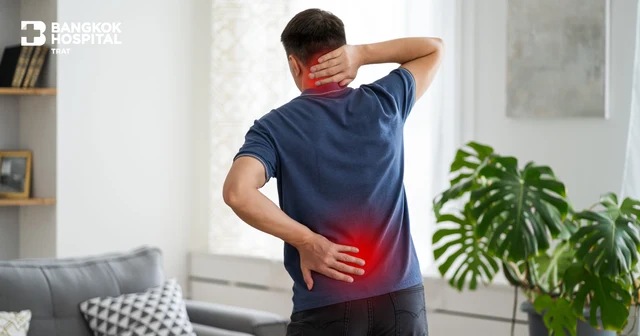
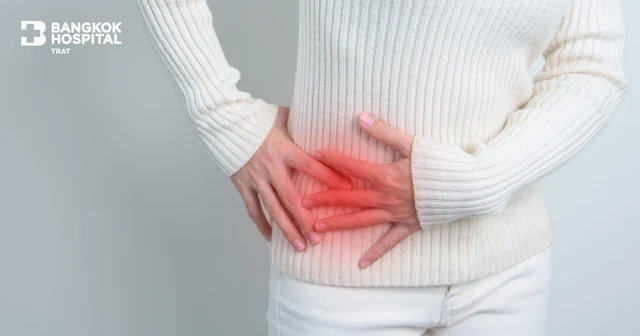
- Flank pain or abdominal pain
- Blood in the urine
- Painful urination
- Difficulty urinating
- Nausea and vomiting
- Fever
- Inability to urinate in some cases
If you experience severe pain or notice blood in your urine, seek medical attention promptly for proper evaluation and diagnosis.
Treatment Options
Treatment depends on the size, location, and characteristics of the stone. Available treatment options may include:
- Surgical removal
- Percutaneous stone removal
- Lithotripsy (stone fragmentation)
Lithotripsy: A Non-Surgical Treatment Option
Lithotripsy uses shock waves generated outside the body to break stones into smaller fragments, allowing them to pass naturally through the urinary tract. This procedure does not require surgery, leaves no incision, and most patients can return home shortly after treatment.
How to Reduce Your Risk of Stone Formation
- Drink adequate amounts of water every day
- Avoid holding your urine for long periods
- Maintain a balanced and healthy diet
- Undergo regular health check-ups
- Follow your physician’s recommendations consistently
Although urinary tract stones can be effectively treated, early recognition of symptoms and timely medical care can help prevent complications and improve treatment outcomes. If you experience flank pain, blood in the urine, or suspect you may have urinary tract stones, consult a healthcare professional for proper diagnosis and treatment.