
Many women are familiar with “menstrual pain.” For some, it may be only mildly uncomfortable, but for others, it can be severe enough to interfere with daily life. Today, let’s understand the causes and treatment options so that this time of the month no longer has to feel like a nightmare.
Understanding the Types of Menstrual Pain
Lower abdominal pain during menstruation can be divided into two main types to make evaluation and treatment easier:
- Primary Dysmenorrhea: Common menstrual pain that occurs without any underlying disease. It is caused by the body releasing prostaglandins, which make the uterus contract. It usually begins during adolescence, within the first few years after menstruation starts.
- Secondary Dysmenorrhea: Menstrual pain caused by abnormalities of the reproductive organs, such as endometriosis (chocolate cysts), uterine fibroids, or pelvic adhesions. The pain often becomes more severe over time and with increasing age.
Management and Treatment
Treatment ranges from basic self-care to specialized medical care, including:
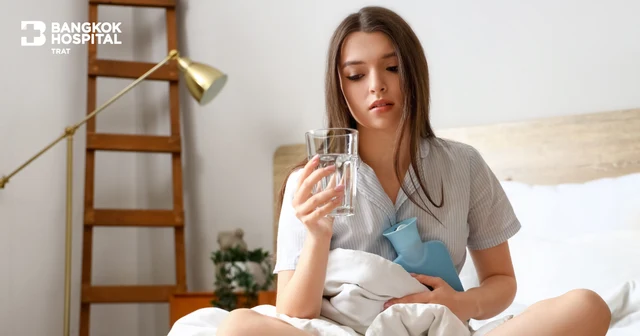
- Heat Therapy: Applying a hot water bottle or a heat patch to the lower abdomen can help relax the uterine muscles and reduce cramping.
- Lifestyle Modifications: Light exercise, such as yoga or stretching, can help the body release endorphins, which act as natural pain relievers.
- Nonsteroidal Anti-inflammatory Drugs (NSAIDs): Such as ibuprofen or Ponstan. These medications help reduce the production of substances that cause uterine contractions and can effectively relieve pain.
- Hormonal Therapy or Birth Control Pills: These help regulate hormone levels, suppress ovulation, and thin the uterine lining, thereby reducing menstrual flow and relieving pain.
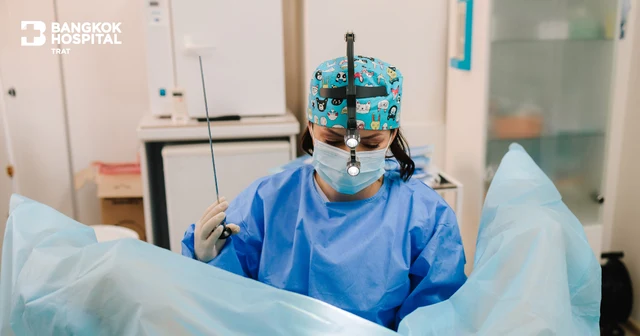
- Surgery: This may be considered when an underlying condition is present (secondary dysmenorrhea), such as uterine fibroids or ovarian cysts that require removal.
When Should You See a Doctor?
- Menstrual pain is severe enough to affect school, work, or daily activities, or makes it difficult to get out of bed.
- Pain does not improve despite taking an appropriate dose of pain medication.
- The pain becomes progressively worse every month, or pelvic pain occurs even when you are not menstruating.
Menstrual pain is not something you have to endure alone. If your symptoms are unusual or severe, consulting a gynecologist to identify the underlying cause is the best solution.
How do you usually manage or relieve your menstrual pain?