


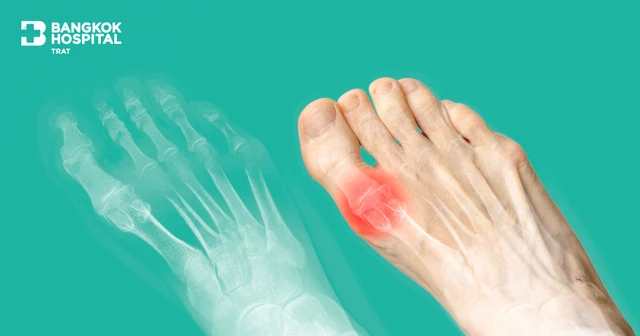
Gout: Acute Joint Pain Caused by High Uric Acid Levels
Joint pain, swelling, redness, and warmth, especially around the base of the big toe, may be more than ordinary joint discomfort. These symptoms could be signs of gout, a form of inflammatory arthritis caused by the accumulation of uric acid crystals in joints and surrounding tissues. If left untreated, gout can lead to joint damage and long-term complications.
What Is Gout?
Gout is a type of arthritis caused by elevated levels of uric acid in the blood. Excess uric acid can form crystals that accumulate in joints, tendons, and surrounding tissues, leading to sudden and severe inflammation and pain.
Although gout is more common among adult men and older individuals, it is increasingly being diagnosed in younger people due to changes in lifestyle and dietary habits.
Causes of Gout
Gout develops when uric acid builds up in the body. This may occur due to:
- Excessive production of uric acid
- Reduced kidney excretion of uric acid
- Frequent consumption of high-purine foods
- Alcohol consumption
- Being overweight or obese
- Chronic kidney disease
- Genetic predisposition
- Use of certain medications, such as diuretics
Symptoms of Gout
Gout attacks often occur suddenly, particularly during the night or early morning. Common symptoms include:
- Severe joint pain
- Swelling, redness, and warmth around the affected joint
- Tenderness to touch
- Difficulty moving the joint
- Pain commonly affecting the base of the big toe, although the ankle, knee, wrist, and elbow may also be involved
In chronic cases, patients may develop tophi, which are deposits of uric acid crystals that form lumps beneath the skin.
Who Is at Risk for Gout?
Individuals at higher risk include:
- Men over 30 years of age
- People with a family history of gout
- Individuals with abdominal obesity
- Regular alcohol consumers
- People who frequently consume seafood, organ meats, or red meat
- Patients with kidney disease, diabetes, or hypertension
Diagnosis of Gout
Diagnosis typically includes a medical history review, physical examination, and additional investigations such as:
- Blood tests to measure uric acid levels
- Kidney function tests
- Joint fluid analysis to identify uric acid crystals
- X-ray or ultrasound examinations when appropriate
Accurate diagnosis allows physicians to develop an effective treatment plan and reduce the risk of future attacks.
Treatment Options
Management of Acute Gout Attacks
- Anti-inflammatory medications
- Pain-relieving medications
- Resting the affected joint
- Cold compresses to reduce swelling and pain
Long-Term Uric Acid Control
- Taking uric acid-lowering medications as prescribed
- Maintaining a healthy body weight
- Improving dietary habits
- Avoiding alcohol consumption
- Drinking adequate amounts of water
Foods to Avoid
To reduce the risk of gout flare-ups, it is advisable to limit foods high in purines, including:
- Organ meats
- Certain types of red meat
- Some seafood products
- Concentrated meat broths
- Alcoholic beverages
- Drinks containing high-fructose sweeteners
How to Prevent Gout
- Maintain a healthy body weight
- Exercise regularly
- Stay well hydrated
- Follow a balanced diet
- Limit alcohol consumption
- Undergo regular health check-ups, especially if you have risk factors
Do Not Let Gout Damage Your Joints
Although gout symptoms may improve between attacks, untreated gout can lead to chronic joint inflammation, joint deformities, and other serious health problems.
If you experience sudden joint pain, swelling, redness, warmth, or have a history of elevated uric acid levels, consult a healthcare professional promptly. Early diagnosis and appropriate treatment can help prevent complications and preserve long-term joint health and quality of life.