

Laceration Wound Care
- Lacerations are external wounds, such as cuts from sharp objects like knives
- After cleaning and applying antiseptic, deep wounds may require suturing by a doctor
- Heavily contaminated wounds (e.g., soil, human bites, or animal bites) may be cleaned first, and suturing may be delayed until the wound is clean
Care for Sutured Wounds
After suturing, patients should follow up with a doctor to monitor the wound. Even with antibiotics, there is still a risk of infection, especially in contaminated wounds. Early detection allows for easier and more effective treatment.
Suture Removal
The timing of suture removal varies depending on the wound location. Patients should follow the doctor’s schedule, as delayed removal may cause visible scars. After removal, continued follow-up helps reduce the risk of scarring and contracture.
Precautions
- Avoid exposing the wound to dust, dirt, sand, or water
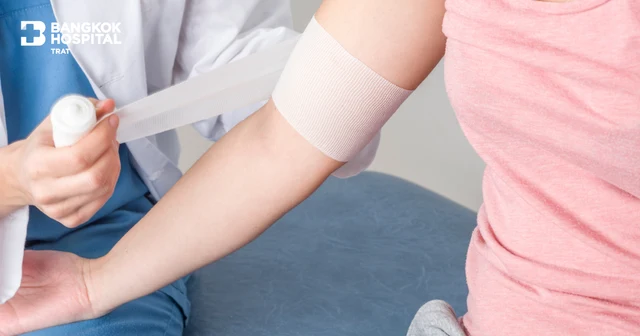
- Gauze dressings are not waterproof; use protective covering if needed
- Keep wounds on hands or feet elevated above heart level
- Avoid excessive movement of the injured area to prevent reopening the wound
- Facial wounds may swell during the first 2–3 days; cold compresses and head elevation can help reduce swelling
- For oral wounds, avoid spicy foods, eat soft foods, and maintain oral hygiene by rinsing the mouth regularly