


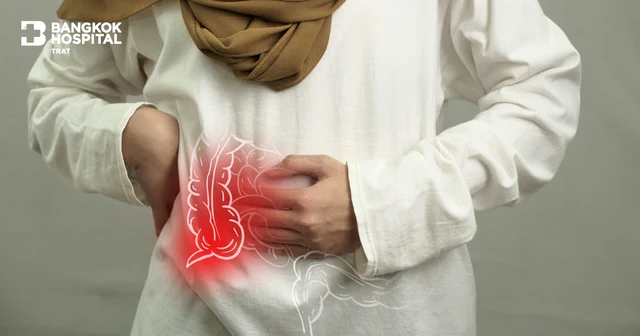
Appendicitis: How to Recognize the Symptoms and When to Seek Medical Attention
Appendicitis is one of the most common causes of abdominal pain that requires emergency surgery. If left untreated, the appendix can rupture, leading to a serious infection within the abdominal cavity. Many patients delay seeking medical attention, which can increase the risk of complications.
What Causes Appendicitis?
Appendicitis occurs when the appendix becomes blocked, often by hardened stool or other obstructions. This blockage allows bacteria to multiply inside the appendix, leading to inflammation and infection.
Symptoms of Appendicitis
Appendicitis typically begins with pain around the navel. In the early stages, the discomfort may resemble indigestion, gastritis, or diarrhea, causing many people to misinterpret the symptoms.
As the condition progresses, the pain usually shifts to the lower right side of the abdomen and may be accompanied by the following symptoms:
- Increasing abdominal pain
- Constant, sharp pain
- Pain that worsens with movement or walking
- Nausea and vomiting
- Low-grade fever
- Walking in a bent-over position to relieve discomfort
In children, symptoms may be less specific, making diagnosis more challenging.
When Should You See a Doctor?
Seek immediate medical attention if you experience any of the following:
- Severe abdominal pain or pain lasting longer than 6 hours
- Significant tenderness when pressing or tapping the painful area
- Frequent vomiting or inability to keep food down
- Dizziness, fainting, or heart palpitations
- High fever or chills
- Pale or yellowish skin
- Pain that does not improve after taking pain medication or becomes more severe
Why Is a Ruptured Appendix Dangerous?
If appendicitis is left untreated, the appendix may rupture, causing infection to spread throughout the abdomen. Symptoms of a ruptured appendix may include:
- Severe pain throughout the abdomen
- A rigid or hard abdomen
- High fever
- A palpable mass in the lower abdomen
A ruptured appendix is a medical emergency and requires prompt treatment.
Preoperative Care
If surgery is recommended, patients should follow these instructions before the procedure:
- Avoid eating and drinking as instructed by the physician
- Maintain personal hygiene according to medical advice
- Practice deep breathing and effective coughing techniques to help reduce postoperative complications
Postoperative Care
After appendectomy, patients should follow their healthcare provider’s instructions to promote recovery:
- Change positions or turn in bed every 1 to 2 hours
- Practice deep breathing exercises to support lung function
- Follow dietary and mobility recommendations
- Take prescribed medications and care for the surgical wound properly
- Attend all scheduled follow-up appointments
Conclusion
Appendicitis is a common medical emergency that requires prompt diagnosis and treatment. Anyone experiencing persistent right lower abdominal pain, especially when accompanied by fever, nausea, or vomiting, should seek medical attention as soon as possible. Early treatment can help prevent appendix rupture and reduce the risk of serious complications.