



The kidneys are vital organs responsible for eliminating waste and maintaining the balance of water and minerals in the body. Currently, Thais are increasingly prone to kidney disease, especially chronic kidney disease, which often stems from diabetes and high blood pressure. Therefore, taking care of kidney health to avoid deterioration should not be overlooked.
Understanding the Kidneys
In our bodies, we have two kidneys that look like beans. They filter water, minerals, chemicals, and waste that the body does not need, then expel them through urine.
Kidney Functions
Kidney Functions
- Eliminate waste
- Absorb and store nutrients beneficial to the body
- Maintain the body’s water balance by expelling excess water and reabsorbing it during dehydration
- Maintain the balance of minerals, acids, and bases in the body
- Control blood pressure, since having kidney disease can lead to high blood pressure
- Produce and regulate the functioning of hormones, including
- The hormone related to red blood cell production (Erythropoietin)
- The hormone related to controlling blood pressure (Renin-Angiotensin-Aldosterone System)
- The hormone related to maintaining calcium balance (Vitamin D and Parathyroid Hormone)
Kidney Disease Risk Factors
- Diabetes: 1 in 3 people with diabetes also suffer from kidney disease and may have protein in their urine with reduced kidney function
- High Blood Pressure: 1 in 5 adults have high blood pressure, often unknowingly, which can affect kidney function as the kidneys are filled with blood vessels
- Obesity or overweight
- Various vascular diseases, whether heart or brain related
- People over 60 years old, where kidney function decreases
- People with a family history of kidney disease that can be genetically inherited, such as cysts in the kidneys
- Patients with other kidney-associated diseases, such as SLE, vasculitis, or various connective tissue disorders
- Patients with a history of using kidney-harming medications or toxic substances
Types of Kidney Disease
Kidney disease is divided into 2 types:
- Acute Kidney Injury (AKI)
This is a rapid decrease in kidney function with abnormal kidney parameters over a short period of hours or a few days, leading to the kidneys’ inability to eliminate waste and maintain water, mineral, acid, and base balance in the blood. It usually improves quickly if corrected in time. - Chronic Kidney Disease (CKD)
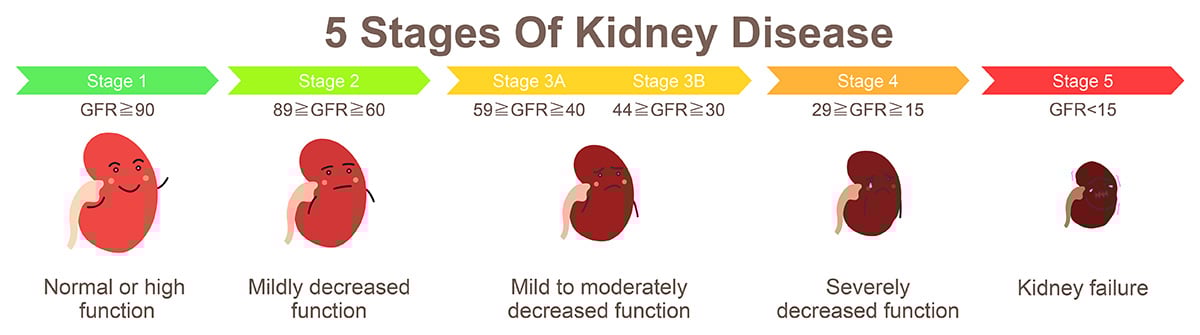
A condition where kidney function gradually declines over more than 3 months, leading to progressive kidney tissue damage. It is divided into 5 stages based on the estimated glomerular filtration rate (eGFR), which is the amount of blood flowing through the kidney’s filters per minute (ml/min/1.73 m2).
- Stage 1 CKD: Kidney filtration rate (eGFR) over 90 ml/min/1.73 m2
- Stage 2 CKD: Kidney filtration rate (eGFR) 60 – 89 ml/min/1.73 m2
- Stage 3 CKD: Kidney filtration rate (eGFR) 30 – 59 ml/min/1.73 m2
- Stage 4 CKD: Kidney filtration rate (eGFR) 15 – 29 ml/min/1.73 m2
- Stage 5 CKD: Kidney filtration rate (eGFR) less than 15 ml/min/1.73 m2
Causes of Kidney Disease
1. Diseases reducing blood supply to the kidneys such as significant blood loss or narrowed renal arteries
2. Diseases causing direct kidney abnormalities such as
Infections causing inflammation
Non-infectious inflammation
Exposure to kidney-toxic substances such as toxins or drugs
Inflamed renal blood vessels
3. Kidney diseases affecting the urinary tract such as abnormalities in the ureters, kidney stones, or bladder tumors
Symptoms Indicative of Kidney Disease
- Symptoms from waste accumulation such as fatigue, anorexia, nausea, vomiting, itchy skin
- Abnormal urination frequency due to impaired water elimination
- Abnormal urine characteristics such as unusual colors, blood, foam from protein leakage, or stone presence
- Swollen eyes and legs possibly due to water retention or protein loss leading to low blood protein levels
- Fatigue due to water overload
- High blood pressure
- Muscle cramps caused by various factors such as low blood calcium, anemia, etc.
Kidney Disease Testing
To diagnose kidney disease, doctors will examine the underlying causes and assess severity, including:
- Blood tests to check waste levels, blood balance, acids/bases, kidney filtration rate, etc.
- Urinalysis to analyze urine and measure protein levels (Urine Microalbumin to Creatinine Ratio)
- Imaging tests: X-rays, Ultrasound, CT Scan, MRI Scan
- Kidney biopsy
- Special tests specific to the disease
Kidney Care and Treatment
Even if you are not suffering from kidney disease, regular health check-ups, including kidney function assessments, are recommended to prevent kidney disease. If diagnosed with kidney disease, kidney care can involve
1) Treatment based on cause : If deemed treatable by a doctor, they will choose a method based on kidney strength.
2) Slowing kidney deterioration includes:
- Blood pressure control: Doctors will adjust medications to maintain suitable blood pressure levels, which vary for individuals.
- Blood sugar control (blood sugar <120 mg/dl or average blood sugar (HbA1c <7%))
- Strict dietary control, especially protein, depending on kidney deterioration level. More advanced deterioration requires more restriction, divided into two groups:
- Chronic kidney disease patients not on dialysis or peritoneal dialysis: Doctors usually recommend restricting protein intake within the body’s requirements. In cases with high waste levels in the blood, additional protein supplementation for kidney disease patients may be suggested.
- Kidney disease patients undergoing dialysis or peritoneal dialysis: This group requires more protein than usual due to protein loss during dialysis and peritoneal dialysis.
- Principles for kidney disease patient diets include protein restriction according to the disease stage to slow kidney deterioration and avoiding foods that can cause mineral imbalances, like high-potassium fruits and vegetables. Patients should receive appropriate dietary advice from doctors or nutritionists.
- Avoid sodium-rich foods, such as spicy sauces often containing salt. For low-sodium products, labels must be read cautiously, as most salt substitutes contain potassium, which kidney patients cannot efficiently expel. Abnormal potassium levels directly affect muscle function, especially the heart, potentially causing fatal arrhythmia. Products marked as using potassium salt instead of sodium are unsuitable for kidney patients.
- Quit smoking, crucially, as tobacco is a significant risk factor increasing mortality, heart disease, and kidney disease.
- Avoid unnecessary medication use, such as pain relievers, non-certified herbal medicines
- Assess fluid intake based on body fluid status
- Regular doctor visits
3) Kidney Replacement Therapy (KRT): When kidney filtration rate drops below 15 ml/min/1.73 m2, most patients experience symptoms from water or waste accumulation. Doctors may recommend kidney replacement therapy, currently offering three options:
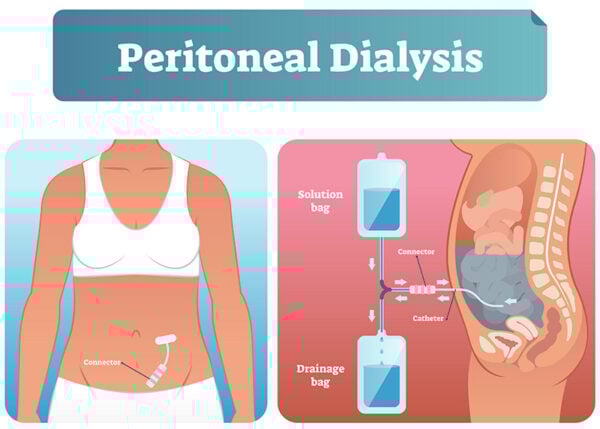
1. Peritoneal Dialysis: Concerninvolves using a small silicone tube to introduce dialysis solution into the abdominal cavity through the abdominal wall, allowing substance exchange through the peritoneal membrane. Waste and excess water are removed in the solution, replaced with a fresh, waste-free solution in the next cycle. Patients can perform activities during solution changes.
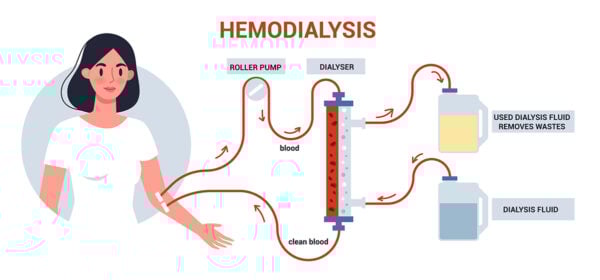
2. Hemodialysis: Involves cleaning blood by removing waste and adjusting water and mineral balance using a dialysis machine. Currently, high-efficiency hemodialysis (Online Hemodiafiltration – OL HDF) is used to improve the removal of waste.
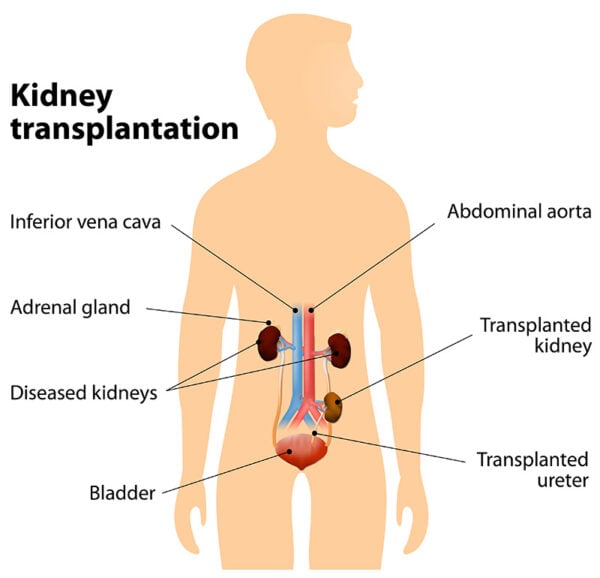
3. Kidney Transplantation: Provides kidney replacement therapy for chronic kidney failure, transplanting a healthy kidney to patients with end-stage kidney failure without needing to remove the old kidney unless necessary. The transplanted kidney functions nearly as a normal kidney, enhancing patient quality of life.
Preventing Kidney Disease
- Choose a balanced diet, consuming all five food groups in appropriate proportions. Avoid high-salt foods. Chronic kidney disease patients should adjust protein intake to match disease stages.
- High-salt foods include preserved foods like sausages, Chinese sausages, steamed pork, braised pork, preserved plums, pickled mangoes, etc., as these foods use salt for preservation, affecting kidney function directly and indirectly.
- Eat foods rich in unsaturated fats, avoid animal fats, egg yolks, coconut milk, and oils high in saturated fatty acids.
- Drink 6 – 8 glasses or 2 liters of water per day.
- Maintain a standard body weight to avoid obesity.
- Exercise at least 30 minutes daily, at least five days a week, with activities like aerobics, brisk walking, cycling, swimming.
- Stop smoking.
- Avoid alcohol consumption.
- Regularly monitor blood pressure.
- Try to avoid stress and relax your mind.
- Get annual health check-ups.
Preventing kidney disease is ideal, but if one knows they are at risk, they should see a doctor for health checks and kidney function assessments promptly. If abnormalities are diagnosed, seeing a specialist for advice and treatment promptly is crucial, as neglect can escalate disease severity, potentially leading to permanent kidney damage.
Credit: https://www.bangkokhospital.com/content/kidney-disease-not-far-away
We offer diagnosis and care for kidney patients with a team of specialized doctors in Nakhon Pathom, led by Dr. Prasopchai Khongsakpaisan. With comprehensive modern equipment for quick and effective care, we provide advice and guidance in kidney patient care, aiming to improve quality of life.
For more information or appointments, please contact:
Phone: 034-219600 ext. 1193,1194 Surgery Department, Bangkok Hospital Sanamchan
Line: Bangkoksanamchan
FB: Bangkok Hospital Sanamchan