
What is Dengue Fever?
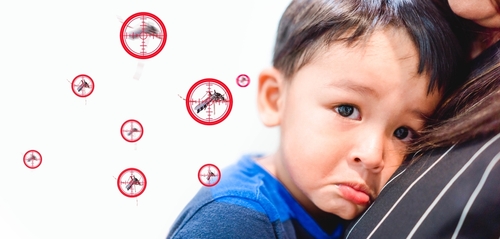
Dengue fever is caused by the dengue virus, which has four serotypes. This virus is transmitted through Aedes mosquitoes, with infected female mosquitoes biting and releasing the virus into the human body.

The first and second serotypes of the dengue virus are the main causes of outbreaks in Thailand. It can infect individuals of any gender, age, or condition and poses a risk of severe disease. Currently, there is no specific treatment for dengue fever, with focus on managing symptoms and patient care. In some cases, severe symptoms can lead to death.
Therefore, prevention plays a crucial role in Thailand. Besides controlling the vector by eliminating mosquito breeding sources and preventing bites through wearing protective clothing, using mosquito repellents, or sleeping under mosquito nets, vaccination is also essential for prevention.
A new dengue vaccine, Qdenga, has been developed, offering hope in reducing infection rates and mortality from dengue fever in Thailand.
What is the Qdenga Vaccine?

1. The Qdenga vaccine is a new dengue vaccine that protects against all four dengue serotypes.
2. It can be administered to individuals aged between 4 to 60 years.
3. It can be given to both those who have had and have not had dengue fever before.
4. There’s no need for a blood test to check for dengue immunity before vaccination.
5. It reduces infection rate by 80.2%.
6. It decreases the rate of hospitalization by up to 90.4%.
7. It reduces the severity of dengue illness by 85.9%.
8. Administered in two doses under the upper arm skin, with the second dose 3 months after the first (Month 0 and Month 3).

Can you get vaccinated if you just recovered from dengue?
Dengue fever can reoccur, and repeat infections can lead to more severe symptoms. It’s recommended to get vaccinated at least 6 months after recovering from the disease.
Who should not receive the dengue vaccine?
1. Those allergic to vaccine components or those who had previous adverse reactions to a dengue vaccine.
2. Individuals with immunodeficiency disorders.
3. Breastfeeding women or pregnant women.
4. Individuals taking immunosuppressive medications should consult a doctor before vaccination.
Is the Qdenga vaccine safe?
The vaccine is highly safe, with side effects being mild and common, such as:
1. Pain at the injection site.
2. Headache, fatigue.
3. Fever.
Most side effects improve without any additional treatment within 1-3 days.
Health information by
Dr. Minchaya Ruchiroj-Amphai
Specialty: Pediatrics