

Even though heart disease is commonly found in the elderly, it is now increasingly seen in younger people or adolescents. Some are as young as 30 – 35 years old and already have heart disease. It often results from congenital abnormalities as well as lifestyle behaviors and neglecting health care, which increase the risk of heart disease. Thus, reducing, avoiding, and refraining from behaviors that arise from oneself can reduce risks or prevent future heart disease.
5 Risky Behaviors for Heart Disease
The risk factors leading to deterioration of coronary arteries stem from 2 factors: 1. Physical risk factors that can be prevented include diabetes, high blood pressure, high blood lipids, and smoking. 2. Genetics, which is a non-preventable or correctable risk factor. However, disease prevention is better and more important than curing it, and it can be avoided by steering clear of these 5 behaviors.
1. Consuming high-fat, trans fat-rich foods – high cholesterol foods such as cakes, bakery items, fatty meats, cheese, processed foods, fast foods, pork knuckle, pork belly, fried animal skins, fatty curry dishes, and grilled foods. Excessive and prolonged consumption of these types of foods may lead to high blood lipid levels and elevated cholesterol, which can clog coronary arteries, causing them to narrow and become blocked, potentially leading to myocardial ischemia.
2. Being overweight (obesity) – Allowing oneself to exceed the standard weight, with a BMI over 30, significantly increases the risk of chronic diseases and is extremely dangerous for heart function, leading to high blood pressure, high blood lipids, diabetes, and coronary artery disease, usually due to fat deposits in the blood vessels. This results in circulation problems, leading to ischemic heart conditions and sudden death. Additionally, abdominal obesity, where women with waists over 40 inches and men over 45 inches need to be extra cautious, as large waistlines also impact heart health.
3. Excessive stress – Those with constant high stress levels are at the greatest risk of heart rhythm disorders because stress triggers the heart to work harder, increase its rate, and blood pressure, potentially causing arrhythmia. It is also one of the causes of arteriosclerosis, where fats and various inflammations accumulate on the artery walls, leading to clogged arteries and increasing the risk of ischemic heart diseases.
4. Lack of exercise and insufficient rest – If the heart never exercises, it cannot withstand heavy work. When the heart is subjected to a heavy workload but cannot cope, heart failure can result. Regular exercise for just 30 minutes, 5 days a week, helps the heart get exercise, strengthens it, and prepares it for more demanding tasks.
Those who do not get enough rest, less than 6 hours per day, are at increased risk for heart disease because inadequate rest leads to insulin resistance, resulting in high blood sugar levels, which increases the risk of heart disease.
5. Smoking – Many may think smoking only causes lung cancer. In fact, smoking is a significant cause of coronary artery stenosis because cigarette smoke contains several harmful toxins to coronary arteries, such as nicotine and carbon monoxide, causing coronary artery contraction and fat deposits along the arterial walls, leading to stenosis, resulting in oxygen-deprived myocardium. When blood cannot reach the heart, symptoms like tightness, chest pain, particularly during exercise, can occur, increasing the risk of sudden heart failure and death.
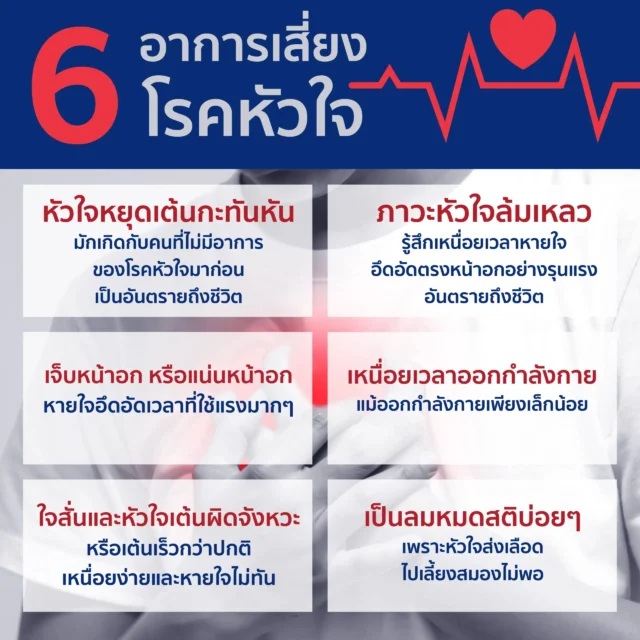
Knowing this, regularly exercising, quitting smoking, reducing high-fat foods, and maintaining good health can reduce the risk of heart disease. Even if you are not very old, if you experience fatigue, shortness of breath, tightness or chest pain, a weak or rapid pulse, excessive sweating, you should immediately consult a heart disease specialist.