


Understanding Heatstroke
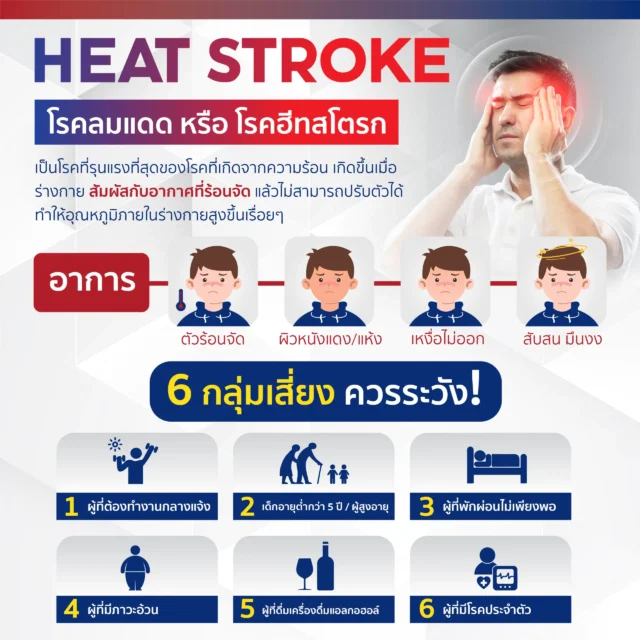
Heatstroke or Heat Emergency is a condition caused by the body overheating, often due to strenuous activities or excessive exertion in high-temperature environments. Heatstroke typically occurs when the body temperature rises to 40 degrees Celsius (104 Fahrenheit) or more, and it usually happens during summer or in areas with high humidity.
Heatstroke can cause damage to vital organs such as the brain, heart, lungs, kidneys, and muscles if not promptly and correctly treated. Delayed treatment can lead to dangerous complications, with some cases resulting in disability or death.
Heatstroke and Stroke
Heatstroke is different from Stroke, which is another neurological emergency caused by a blocked (Ischemic Stroke) or burst (Hemorrhagic Stroke) blood vessel in the brain. Stroke often results in weakness, numbness, speech difficulties, facial drooping, or sudden loss of balance. Stroke patients also require urgent treatment, but the diagnosis and treatment approach differ from that of heatstroke.
Causes of Heatstroke
Heatstroke is broadly divided into two types according to its causes:
- Classic Heatstroke or Non-Exertional Heatstroke: This occurs due to prolonged exposure to hot environments, resulting in elevated body temperature. It is often found in individuals who are in hot and humid areas for extended periods.
- Exertional Heatstroke: In this case, the body temperature rises from strenuous work or exercise in high-temperature areas. The risk increases in those unfamiliar with the heat, wearing excessively heavy clothing that restricts sweat evaporation and heat dissipation, dehydration, alcohol consumption, which can impair the body’s temperature regulation, are additional causes of heatstroke.
Risk Factors of Heatstroke
Several risk factors can make some individuals more susceptible to heatstroke:
- Extremely young or old age
- Existing medical conditions such as heart disease, lung disease, obesity, or lack of physical activity
- Certain medications that cause dehydration or impair the body’s ability to respond to elevated body temperatures, such as vasoconstrictors, beta-blockers, diuretics, and certain psychiatric medications (antidepressants, antipsychotics, and psychostimulants), as well as drugs like amphetamines and cocaine
- Sudden exposure to high temperatures, such as traveling to hotter countries or during heat waves, making it harder for the body to adjust, thus increasing the risk of heatstroke

Symptoms of Heatstroke
Heatstroke patients will have a core body temperature of 40 degrees Celsius or more, along with altered consciousness, possibly experiencing confusion, agitation, delirium, seizures, or unconsciousness. There may also be a rapid heartbeat, increased respiration rates, headaches, nausea, vomiting, red and hot but dry skin, except in some exertional heatstroke cases where the skin might be slightly moist.
Diagnosis of Heatstroke
Doctors can diagnose heatstroke by understanding the patient’s history, especially certain causes or risk factors of the condition, including heat exposure. A physical examination will show a high body temperature combined with systemic symptoms. In some cases, blood tests and X-rays might be used to determine heatstroke complications. If a patient is suspected of having heatstroke, it is crucial to contact emergency medical services or a nearby hospital immediately.
For some patients with existing neurological disorders, being exposed to high temperatures for long periods, or situations that elevate body temperature can cause existing neurological symptoms to reappear, such as in stroke, multiple sclerosis, or epilepsy patients. The mechanisms triggering increased symptoms differ in each condition.
Treatment of Heatstroke
Initial treatment (First-Aid and Management) involves reducing body temperature by bringing the patient to a shaded or air-conditioned environment. Remove heavy clothing and loosen tight garments. Apply cold, wet cloths, and ice packs to the head, neck, armpits, and groin. Use cold water sprays or showers, or immerse in a cool water bath while waiting for the ambulance. Importantly, avoid sugary drinks or alcoholic beverages as these can impair the body’s ability to regulate temperature, and cold water can cause stomach cramps.
Complications of Heatstroke
Heatstroke can lead to complications, depending on how long the body has a dangerously high temperature. Without timely treatment, it can harm vital organs, and in some cases, lead to death.
- Brain: It can cause seizures, brain swelling, and may result in permanent brain cell damage.
- Muscles: May lead to muscle breakdown or rhabdomyolysis.
- Kidneys: Muscle breakdown can lead to acute kidney failure.
- Liver: Dehydration reduces blood supply to the liver, potentially leading to liver failure.
- Heart: Increased workload can cause arrhythmias and heart failure.
- Lungs: Potentially causing acute respiratory distress syndrome.
- Blood: May cause easy bleeding or blood clots in the body.
Preventing Heatstroke
Heatstroke can be prevented through various measures:
- Wear lightweight and breathable clothing when you expect to be in hot or poorly ventilated areas.
- Use protective clothing against sunlight like sunglasses or hats and apply sunblock with SPF 15 or higher.
- Stay well-hydrated daily.
- Be mindful of medication and consult a doctor to understand if it affects the body’s temperature regulation.
- Avoid strenuous exercise in hot, poorly ventilated areas. If necessary, limit the time spent in such environments as much as possible.