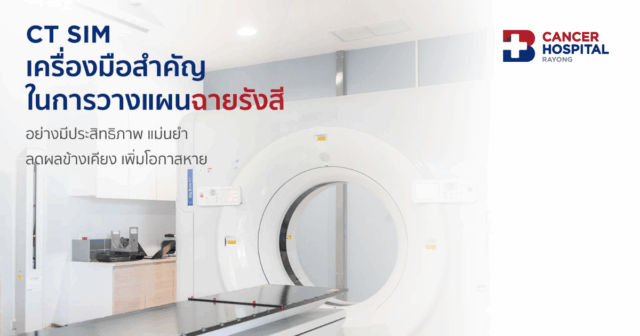
What is a CT Simulator?
A CT Simulator (Computed Tomography Simulator) is a specialized CT scanner designed for radiation therapy simulation and treatment planning in cancer care. Unlike a standard CT scan used only for diagnosis, the CT Simulator provides detailed imaging data that allows oncologists to design precise and personalized radiation treatment plans.
How It Works
-
3D Imaging:
Produces three-dimensional images of the patient’s body, showing the tumor’s size, shape, and exact location. -
4D Motion Imaging:
Captures organ and tumor movement (such as breathing in lung or chest cancers) to adjust radiation delivery accordingly. -
Dose Reduction Technology:
Uses advanced algorithms to minimize radiation dose to the patient while maintaining image quality. -
Precise Localization:
With integrated software, physicians can contour the tumor margins and plan radiation beams to target the cancer while sparing surrounding healthy tissues.
Key Features of the CT Simulator
-
Covers All Body Areas and Diseases
Supports imaging for patients of all ages and conditions in a single radiation planning scan. -
Enhanced Imaging for Accuracy
Helps capture precise images to support more accurate treatment planning. -
3D Imaging with O-MAR Technology
Reduces metal artifacts that obscure images, allowing doctors to see organs and tissues clearly. -
4D Imaging Capability
Tracks tumor movement in organs such as the lungs or chest during breathing. -
iDose Technology
Minimizes radiation exposure to patients while still delivering high-quality images for treatment planning. -
TumorLOC Technology
Enables precise localization of the tumor for accurate radiation targeting during the planning stage.