

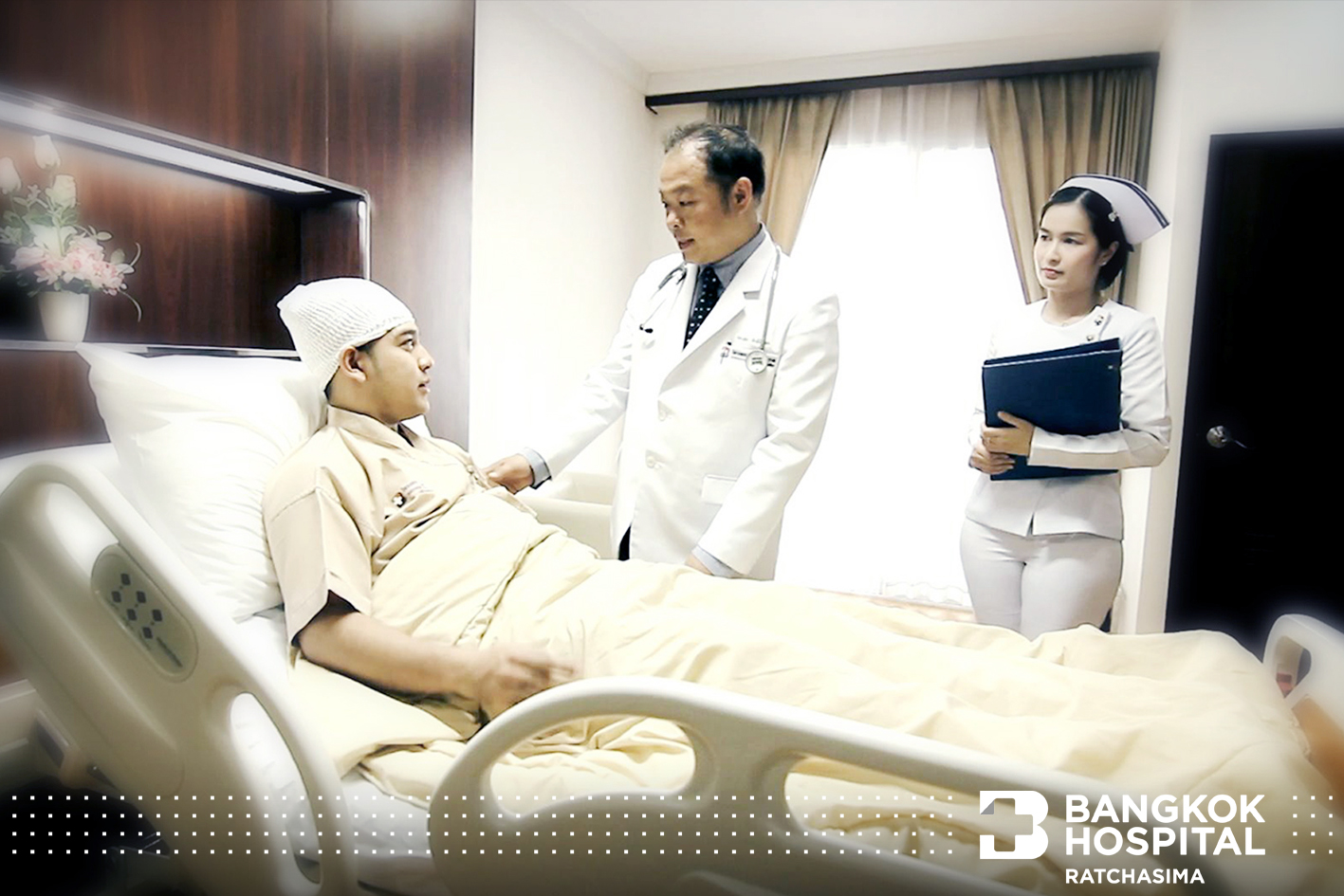
Neuroscience Center
The Neuroscience Center brings together a multidisciplinary team of specialists, including neurologists, neurosurgeons, psychiatrists, nurses, physical therapists, nutritionists, and pharmacists. Our team provides comprehensive medical care, consultation, and guidance to patients and their families, enabling them to continue treatment safely at home.
Specialized Clinics
-
Neurosurgery Clinic
-
Stroke Clinic
-
Headache Clinic
-
Epilepsy Clinic
-
Parkinson’s Disease Clinic
-
Dementia Clinic
-
Mental Health Clinic
-
Men’s Health Clinic
Conditions Treated
-
Stroke (ischemic stroke, hemorrhagic stroke, and vascular malformations)
-
Memory disorders and dementia
-
Parkinson’s disease and movement disorders
-
Migraine and chronic headache
-
Dizziness and vertigo
-
Epilepsy
-
Neuritis and neuropathy
-
Muscular weakness and neuromuscular diseases
-
Sleep disorders
-
Psychiatric conditions such as bipolar disorder, depression, anxiety, and stress-related conditions
-
Brain tumors requiring neurosurgical treatment
-
Traumatic brain injury
-
Brain infections
Advanced Innovation: Bi-plane DSA
Non-surgical Stroke Treatment
The Bi-plane Digital Subtraction Angiography (Bi-plane DSA) system allows high-precision diagnosis and treatment of cerebrovascular diseases, liver disease, peripheral vascular disease, and other vascular conditions throughout the body. This cutting-edge imaging technology enables interventional radiology procedures as a minimally invasive alternative to surgery.
Key Advantages of Bi-plane DSA:
-
Dual-plane imaging (front and lateral views simultaneously)
-
High-resolution, 3D-like images for enhanced diagnostic accuracy
-
Clear visualization of even the smallest blood vessels and catheters
-
Reduced radiation exposure and contrast agent usage
-
Rapid, accurate diagnosis in critical conditions such as stroke and heart disease
-
Increased confidence and treatment efficiency
Electroencephalography (EEG)
EEG records the brain’s electrical activity by monitoring neural impulses and displaying them as waveforms. Brain wave patterns, including their frequency and amplitude, help specialists determine normal or abnormal brain function under various conditions (awake, asleep, during seizures, or under stimulation).
Indications for EEG:
-
Diagnose and monitor epilepsy
-
Detect brain abnormalities such as tumors, trauma, or post-surgical changes
-
Assess consciousness levels in coma or decreased responsiveness
-
Diagnose brain death
-
Evaluate sleep disorders
Transcranial Magnetic Stimulation (TMS)
TMS uses magnetic fields to stimulate nerve cells in the brain, enhancing neural connectivity without causing damage to surrounding tissues.
FDA-approved TMS Treatments:
-
Treatment-resistant depression
-
Obsessive-compulsive disorder (OCD)
-
Migraine headaches
Rehabilitation Applications:
TMS is also effective in post-stroke rehabilitation for patients with paralysis, speech, swallowing, or communication difficulties. When combined with physical therapy, TMS shows superior outcomes compared to physical therapy alone.
Additional Uses:
-
Neurological disorders such as Parkinson’s disease and epilepsy
-
Chronic pain management, including muscle stiffness, back pain, and musculoskeletal pain
Safety and Considerations:
TMS is considered safe under professional supervision. Magnetic fields affect only a small, localized area (1–3 cm), minimizing systemic risk. Contraindications include patients with implanted cardiac pacemakers, cerebrospinal fluid shunts, high intracranial pressure, or newly placed metallic implants.
Possible side effects are generally mild, such as headache or dizziness. Rarely (approx. 2%), TMS may trigger seizures.