

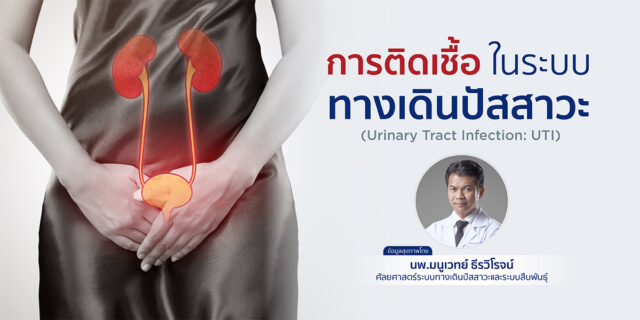
Urinary Tract Infection (UTI), with or without symptoms, is a disease or condition caused by an infection of the urinary tract organs. The main cause is a bacterial infection and any part of the urinary tract can be affected, such as kidneys, bladder or urethra and the infection can spread to other parts, either acute or chronic. There are two different categories of urinary tract infections.
1. Uncomplicated UTI is an infection a healthy patient who has no structural abnormality and comorbidities of urinary tract.
2. Complicated UTI is an infection in an immunocompromised patient who has structural abnormality and comorbidities of urinary tract.
Causes
Bacteria, the majority of which are gut bacteria, are the main cause of urinary tract infections. These bacteria can migrate from the colon to the anus and then move up into the urethral opening, colon, bladder, ureter, and kidneys, where they can cause illness. Additionally, in persons who have previously had bloodstream infections, the bacteria may come from their bloodstream. The proper and regular flow of urine is typically the key mechanism preventing urinary tract infections by expelling contaminated bacteria outside the body. UTIs can therefore result from any aberration in the flow of urine, including urinary incontinence, urinary tract obstruction due to stones or tumours, and structural abnormalities of the kidneys, ureters, bladder, and urethra. The shorter urethra of women makes it simpler for bacteria to enter the bladder, rendering them more prone to urinary tract infections than men. Patients with a urinary catheter inserted and individuals with immune disorders are at increased risk of urinary tract infections.
Symptoms
Depending on where the infection is, people with urinary tract infections may experience different symptoms. An infected person will experience one of the following symptoms if the infection is limited to the bladder or urethra: dysuria, frequent urination, incomplete emptying, urinary incontinence, cloudy urine, hematuria, and lower abdominal pain. The patient will experience more severe symptoms, such as fever, appetite loss, nausea and vomiting, and flank discomfort, if they acquire a kidney infection. Patients may have low blood pressure, fainting, and loss of consciousness in really severe cases.

Complications
Patients who receive fast and proper care have a lower risk of complications. However, if treatment is delayed, the illness may worsen such as reinfections, recurrent infections, chronic pyelonephritis, or bloodstream infections and may lead to septic shock, which can be fatal.
Treatment
Antibiotics are often used in the treatment of urinary tract infections to aid in the destruction of the bacteria responsible. Doctors administer oral antibiotics as part of outpatient treatment for patients with mild urinary tract infections. Depending on the severity of the infection, the symptoms, and the patient’s response to treatment, the course of treatment might last anywhere from 3 to 7 days. Patients with kidney infections or severe symptoms are hospitalized and given intravenous antibiotics for 10 to 14 days, depending on the response to treatment. After treatment, the majority of patients see a 48–72 hour improvement in symptoms, including reduced fever, dysuria, and lower abdominal or flank pain. The patient should revisit the doctor for additional testing to identify the cause and any potential complications of the urinary tract infection if symptoms do not significantly improve. When a patient experience severe dysuria, the doctor may occasionally recommend an additional oral prescription to lessen the burning sensation for a short period of time, not more than 2 days.
Infection Prevention
1. Avoid practices like retaining your pee for a long time that put you at danger for infection.
2. 8–12 glasses of pure water should be consumed daily to ensure proper urine production.
3. Treatment should be sought for conditions that lead to irregular urine flow, such as benign prostate hyperplasia, bladder stones, genitourinary malignancy, and bladder dysfunction.
4. Even after changing their urination habits and correcting the aforementioned urinary flow abnormalities, some people still experience frequent urinary tract infections, occurring more than twice in a six-month period or more than three times in a 12-month period. In these cases, a doctor may recommend oral antibiotics to prevent long-term infection.