
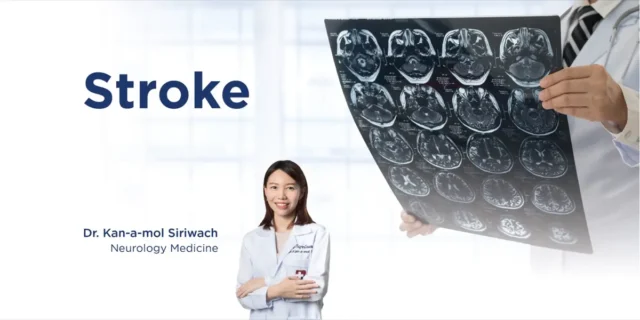
Stroke is an abrupt stoppage of brain activity that can be brought on by a cerebral artery constriction, occlusion, or rupture that damages or kills brain tissue. It leads to damage or death of brain cells, which produces a range of neurological symptoms. Stroke is the primary cause of adult mortality and disability worldwide.
Causes
Based on the underlying cause, there are two primary categories of stroke.
- Ischemic Stroke occurs when blood flow to the brain is impeded or constricted due to restricted blood arteries in the brain. The most common causes of ischemic stroke are atherosclerosis, buildup of fat in the arteries or blood clots originating from other areas of the body, particularly the heart.
- Hemorrhagic Stroke is caused by cerebral blood vessel ruptures which resulting in bleeding in the brain or surrounding tissue. The most common causes hemorrhagic stroke are high blood pressure, aneurysms or the inappropriate use of anticoagulants.
Risk Factors
- Age: Age is associated with increased risk, particularly for individuals aged 55 years and over.
- Gender: Men are at slightly higher risk than women.
- Genetics: People with a family history of stroke are at higher risk.
- Congenital diseases: High blood pressure, diabetes, heart disease, hyperlipidemia and obesity.
- Risky behaviors: Smoking, drinking alcohol, lack of exercise and eating unhealthy foods
Symptoms
The patient will experience sudden and severe symptoms. The common symptoms include:
- Weakness and numbness of the limbs or hemiplegic
- Facial paralysis, slurred speech or aphasia.
- Blurred vision, double vision or loss of vision
- Acute, severe headache
- Dizziness, trouble walking or balancing
- Confusion, dizziness or unconsciousness
Treatment
A stroke requires urgent treatment in order to minimize brain damage and improve the chances of successful recovery. Treatment may vary depending on the type of stroke and the severity of the symptoms.
- Ischemic stroke: Blood thinners, intravenous clot-busting drugs, or surgery may be used to open blocked blood vessels.
- Hemorrhagic stroke: Blood pressure medications, cerebral edema medications, or surgery may be used to stop the bleeding and repair the broken blood vessels.
Prevention
Stroke can be prevented by controlling risk factors as follows.
- Management of underlying diseases such as high blood pressure, diabetes, and hyperlipidemia
- Behavior modification such as quitting smoking, reducing alcohol consumption, and exercising regularly
- Maintaining a healthy diet with a focus on fruits, vegetables, whole grains, and fish
- Annual health check-ups to look for risk factors and abnormalities of blood vessels
Stroke is a medical emergency. You should visit the hospital right away if you or a loved one exhibits it symptoms. Early intervention can lower brain damage and improve chance of successful recovery.